Skip to content
AK OPTICALSystems Send a project enquiry
Reference library

Telecommunication Fiber Optic Communication Design

Published
  • Telecommunication
  • Fiber
  • Optic
Source context

AI source overview

Fiber optic communication design involves planning, deploying, and maintaining high-speed optical networks that transmit data as light signals through optical fibers, ensuring reliability, scalability, and efficiency. Overview of Fiber Optic CommunicationFiber-optic communication transmits information using pulses of light through optical fibers, offering high bandwidth, long-distance transmission, and immunity to electromagnetic interference. It supports voice, video, and data services across local and wide-area networks and has largely replaced copper in backbone networks due to its superior performance and reliability.

Modern fiber networks are essential for telecommunications, internet services, and cable television, as well as specialized applications in medical, defense, and industrial sectors.

Key Steps in Fiber Optic Network Design

Requirements Analysis The design process begins with understanding the network objectives, including coverage area, expected bandwidth, number of users, and specific services. This phase involves stakeholder engagement, population analysis, and assessment of existing infrastructure, along with regulatory compliance, financial analysis, and risk assessment. Network Topology and Layout Designers define the geographic layout (premises, campus, or outside plant), network topology (ring, star, or mesh), and integration with existing networks, including copper or wireless systems.

The layout must consider future scalability and redundancy to ensure continuous service. Equipment and Component Selection Selection includes fiber cables, enclosures, splices, splitters, and active equipment such as optical transceivers and switches. Proper placement and protection of components, including splice boxes and conduits, are critical to prevent damage and minimize downtime.

Installation and Testing Installation follows the design blueprint, with careful attention to fiber handling, splicing, and connectorization. Testing is conducted at multiple stages: laboratory component testing, field installation verification, activation, and ongoing monitoring. Active fiber monitoring (AFM) is recommended for continuous performance assessment and proactive fault detection.

Documentation and Maintenance Comprehensive documentation of the network design, installation, and testing procedures is essential for maintenance and future upgrades. Planning for restoration in case of outages ensures rapid troubleshooting and minimal service disruption.

Best Practices

Use collaborative digital platforms for planning and real-time communication among engineers, contractors, and stakeholders. Design for future bandwidth demands and scalability to accommodate emerging technologies. Protect fiber infrastructure with robust enclosures and conduits to prevent physical damage.

Implement continuous monitoring and automated fault detection to reduce mean time to repair (MTTR) and maintain service quality. Balance performance, cost, and operational complexity to optimize both technical and business outcomes.

Conclusion

Effective fiber optic communication design integrates engineering, geography, regulation, and economics into a cohesive blueprint. By carefully planning network topology, selecting appropriate components, and implementing rigorous testing and monitoring, operators can build reliable, high-performance, and future-ready fiber networks that meet the growing demands of modern telecommunications.

Research context

Reference summary

Modern fiber-optic communication systems generally include optical transmitters that convert electrical signals into optical signals, to carry the signal, optical amplifiers, and optical receivers to convert the signal back into an electrical signal. The information transmitted is typically generated by computers or.

Additional context

Source notes

Modern fiber-optic communication systems generally include optical transmitters that convert electrical signals into optical signals, to carry the signal, optical amplifiers, and optical receivers to convert the signal back into an electrical signal. The information transmitted is typically generated by computers or .

From reference to enquiry

Questions for your project

Use these editorial prompts alongside the linked excerpts. They identify items to confirm for your project.

Technical notes

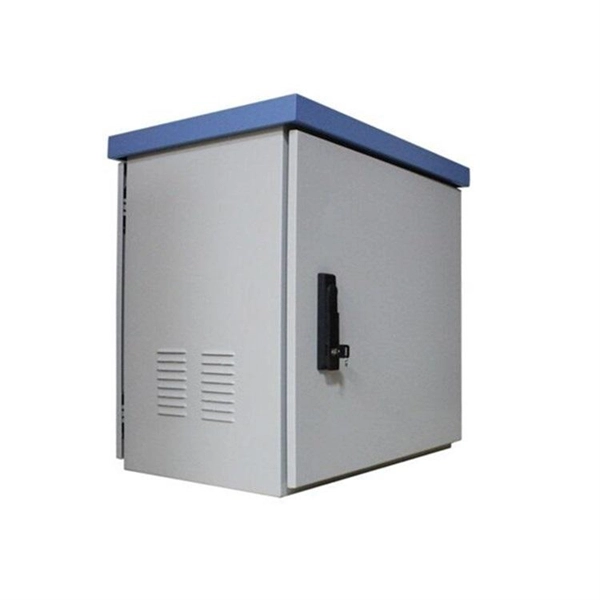
Illustrative equipment image

The Complete Guide to Fiber Optic Network Design and

In this broad guide, we will run through why, what, and how of Fiber optic network design and deployment — covering planning, challenges, best

Fiber Optic Network Design & Deployment Guide

Discover how to design & deploy Fiber optic networks for modern telecom. Learn planning, budgeting, documentation, and best practices for success.

Fiber-optic communication

OverviewTechnologyBackgroundApplicationsHistoryParametersComparison with electrical transmissionGoverning standards

Modern fiber-optic communication systems generally include optical transmitters that convert electrical signals into optical signals, optical fiber cables to carry the signal, optical amplifiers, and optical receivers to convert the signal back into an electrical signal. The information transmitted is typically digital information generated by computers or telephone systems.

A Guide to Fiber Optic Network Planning and Design

Discover innovative approaches to fiber optic network design and planning for future-proofing connectivity

Fiber Network Planning and Design (FTTH/FTTP /FTTx )

We employ skilled designers who specialize in creating accurate and detailed CAD designs for your telecom infrastructure needs. Whether it''s mapping out FTTH connections or designing Fiber routes,

The FOA Reference For Fiber Optics

Fiber optic network design refers to the specialized processes leading to a successful installation and operation of a fiber optic network.

Handbook – Optical fibres, cables and systems

The simultaneous availability of compact sources and of low-loss optical fibres led to a worldwide effort for developing optical fibre communication systems. The real research phase of fibre-optic

Understanding the Basics of Fiber Optic Network Design

Conclusion Good fiber optic network design is both an art and a science. It requires careful planning, attention to detail, and a good understanding of both current needs and future

Design of optical fiber communication link

Optical fiber used in many areas of telecommunication, medical and engineering. It has attracted many researchers due to its performance, low loss, no interference, higher bandwidth and high data

Optical Fiber Communication: A Comprehensive Review

Optical Fiber Communication (OFC), a tremendous development that has reshaped the panorama of modern telecommunications. In a global where connectivity is paramount, OFC stands as a beacon

Optical communication and fiber design | Annals of Telecommunications

Optical fiber has evolved from a not-so-transparent glass tube to an extraordinarily efficient transmission medium. It is now acknowledged as a central element of modern telecommunication being part of the

Design Guide

Part 1: Introduction What is “fiber optic network design?” Fiber optic network design refers to the specialized processes leading to a successful installation and operation of a fiber optic network. It

OPTICAL FIBER COMMUNICATION

Fibre Optics Material Choice? H.H.Hopkins and N.S.Kapnay in 1950''s used cladding fiber: Good image properties demonstrated for 75 cm long fiber [Nature 173, 39 (1954)]. Application found use in

The layout of fiber optic communication design

Recent digital fiber optic communication systems address modulation and detection techniques for high spectral efficiency and robustness against transmission impairments. The proposed objective of

The Design and Optimization of Optical Fibers for High-Speed Data

Abstract This paper examines the design and optimization of optical fibers for high-speed data transmission, emphasizing advancements that maximize efficiency in modern communication networks.

A Guide to Fiber Optic Network Planning and Design

From vision to reality: Mastering fiber optic network planning and design with Intellias While planning and designing fiber networks, operators face challenges such as acquiring the

FIBER OPTICAL COMMUNICATIONS (R17A0418)

Historical Development First developed in the 1970s, fiber-optics have revolutionized the telecommunications industry and have played a major role in the advent of the Information Age.

Fiber-optic cable

Different types of cable are used for fiber-optic communication in different applications, for example long-distance telecommunication or providing a high-speed data connection between different parts

Related Video Reference

This video was associated with the source search result. Verify technical details against current product documentation and project requirements.

Share your network requirements

Share the fiber interfaces, termination capacity, cable route and evidence required for handover.

Send a project brief