
Telecommunications Tower Safety Make Safety Easy
Search optical fiber, connectivity, cable management and network infrastructure references.
- Telecommunications
- Tower
- Safety
Articles and technical references
9 on this page-
Which telecommunications tower company to choose
Major players in the telecom towers space such as American Tower Corporation, Helios Towers PLC, and Indus Towers Limited compete through large-scale site portfolios, multi-country operations, and adoption of energy-saving technologies. These companies have established a...
-
Safety Management of Communication Tower Projects
Protection for communication towers is an integrated system of safety measures designed to prevent structural failure and injuries. It includes lightning protection, grounding, surge devices, and safety protocols that require continuous maintenance and compliance with...
[PDF Version]
-
Domestic telecommunications tower companies
Major players in the telecom towers space such as American Tower Corporation, Helios Towers PLC, and Indus Towers Limited compete through large-scale site portfolios, multi-country operations, and adoption of energy-saving technologies. At the center of this transformation...
[PDF Version]
-
OPGW optical cable tower grounding
An optical ground wire (also known as an OPGW or, in the IEEE standard, an optical fiber composite overhead ground wire) is a type of cable that is used in overhead power lines. Such cable combines the functions of grounding and telecommunications. Prysmian has a built-in...
[PDF Version]
-
Safety Construction of Cable Trays
The International Electrotechnical Commission (IEC) provides detailed guidelines for cable tray systems under IEC 61537. This standard outlines the construction requirements, testing methods, and performance parameters for cable trays and related support systems. The use and...
[PDF Version]
-
Counterweight for rooftop communication tower
These structures weigh between 200-800 kg and support 3-6 antenna panels for 4G/5G networks. They cost 30-50% less than ground-based towers by eliminating land acquisition and reducing foundation requirements to non-penetrating ballast systems weighing 1,500-3,000 kg. A...
[PDF Version]
-

How long does it take to maintain a single-mode fiber optic cable for telecommunications
While routers, switches, and transceivers often have upgrade cycles of 3 to 5 years, properly installed and maintained fiber cabling systems can last 15 years or more — spanning multiple hardware generations. Effective lifecycle management of fiber optic cables, from...
-
Safety Operation of Cable Trays on Site
The use and installation of cable trays is covered by legally enforceable OSHA regulations in 29 CFR 1910. Cable tray systems can pose serious safety risks if not properly designed or installed. The most common hazards include: 👉 If ignored, these risks can lead to equipment...
-
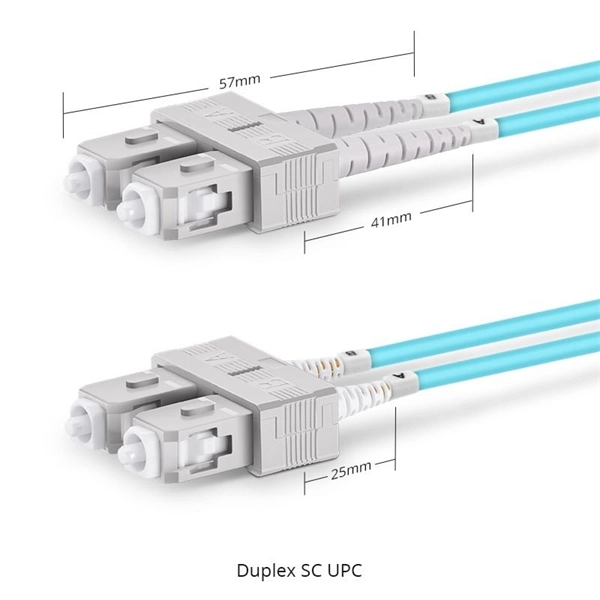
How should telecommunications fiber optic cables be laid out
163 describes criteria for the installation of optical fibre cables defined in Recommendation ITU-T L. (FOA) was founded in 1995 to help develop the workforce to build the fiber optic networks to support a rapid expansion in communications and the Internet. The charter of the...
[PDF Version]