
What is a PLC Cabinet?
A PLC Cabinet is a secure enclosure that houses a Programmable Logic Controller (PLC) and its accessories, offering protection from environmental a...
Search optical fiber, connectivity, cable management and network infrastructure references.
Learn professional control panel wiring standards, including cabinet layout, grounding rules, wiring principles, common mistakes, EMI prevention, and best practices for building clean and reliable industrial control cabinets. An example of a wiring diagram for a motor...
[PDF Version]A PLC Cabinet is a secure enclosure that houses a Programmable Logic Controller (PLC) and its accessories, offering protection from environmental a...
PLC is an industrial computer used for automation, while PCB is a circuit board that connects electronic components.
PLC boards vary by application and can be relay output, analog I/O, digital I/O, or communication boards.
Pricing can be expressed per circuit or per foot of wiring from the panel. The cost of a new panel box depends on the box size, meter/branch requirements, enclosure type, and labor for installation. This article breaks down typical price ranges and driving factors to help...
[PDF Version]
This comprehensive guide will explore every facet of indoor fiber cable, from its fundamental characteristics to the advanced solutions offered by industry leaders like EPCOM. Indoor fiber cable is the backbone of modern communication networks within buildings, providing the...
[PDF Version]
Learn how to install a distribution box safely and correctly. Covers wiring, placement, standards, and expert tips for a compliant setup.
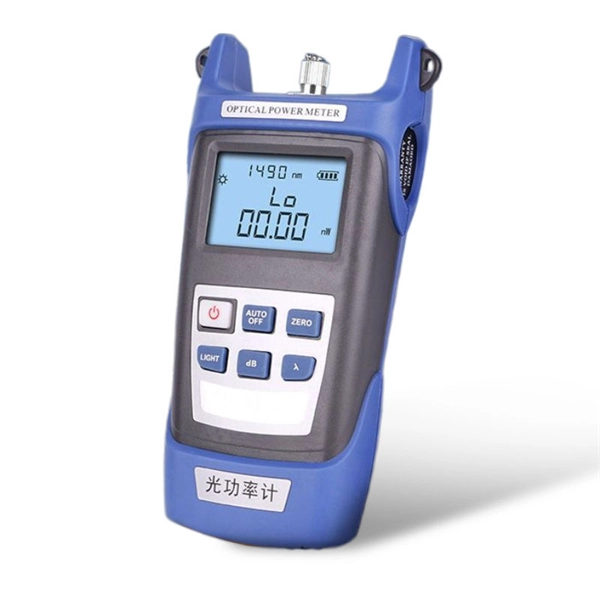
To properly connect a 220V circuit, start by selecting the correct wire gauge. Use at least 12 AWG copper or 10 AWG aluminum wires to ensure safety and prevent overheating. Make sure the circuit breaker is rated for the appliance's required current, typically 15A or 20A...
[PDF Version]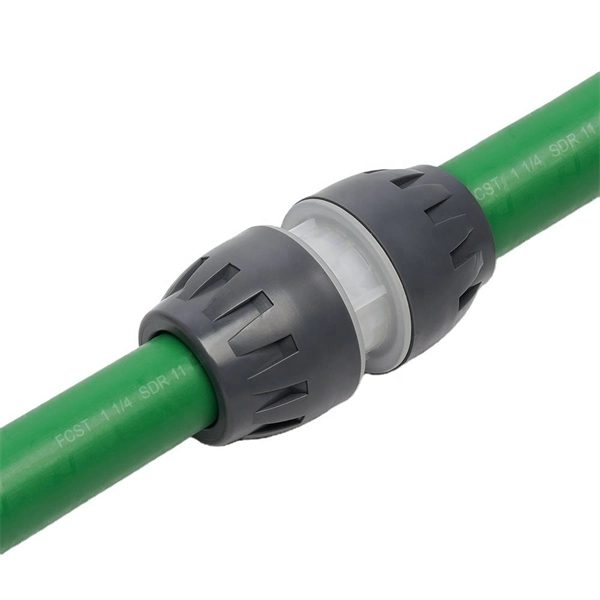
Note: The door and box of the electrical distribution box must be reliably connected with braided soft copper wire as protective neutral connection. Whether you're a professional or a DIY enthusiast, understanding the correct procedure can prevent accidents and ensure optimal...
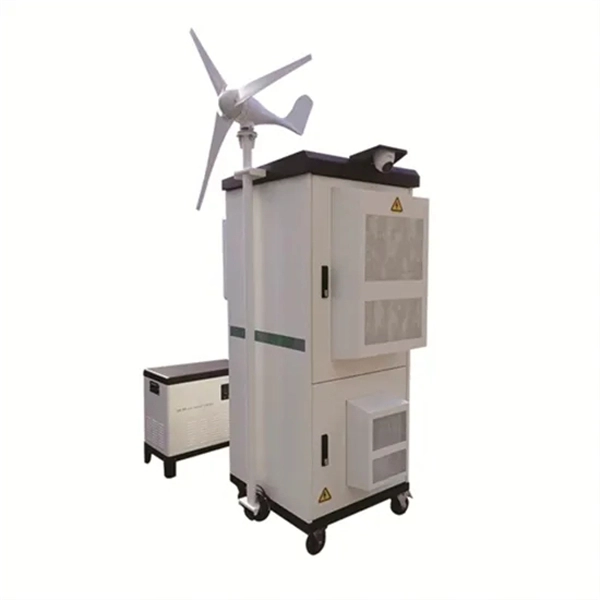
FTTH (Fiber to the Home): Direct fiber connection from the provider to your home. This article focuses. Fiber optic cables facilitate high-speed connectivity with significant advantages over copper wires, such as faster data transmission, greater bandwidth, and better...
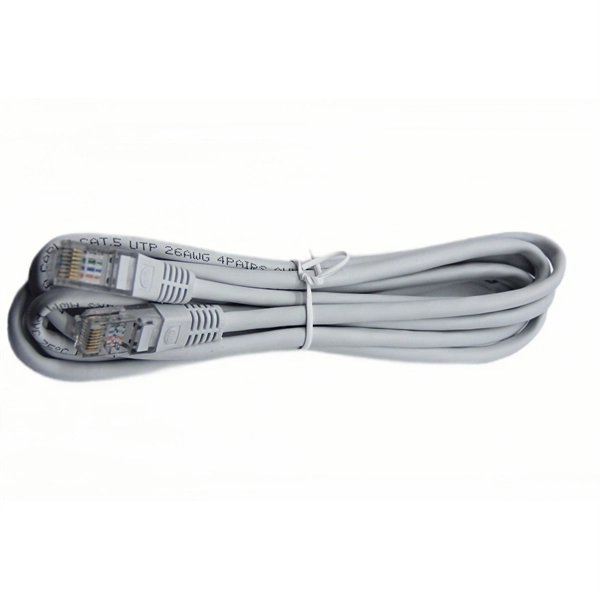
This article compares connector terminations, mechanical splicing, and fusion splicing, explaining when each technique is preferred in 2024 deployments. Unlike fiber splicing, which is permanent, connectors allow for easy connection and disconnection of cables, making them...
[PDF Version]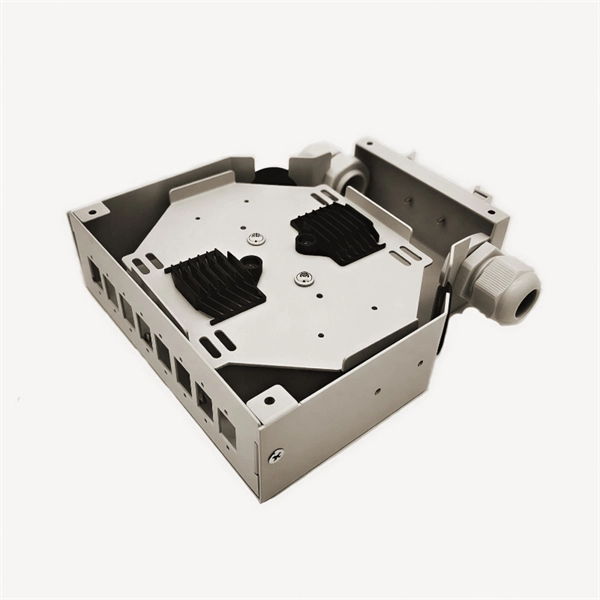
The structure of the FBG can vary via the refractive index, or the grating period. The grating period can be uniform or graded, and either localised or distributed in a superstructure. The refractive index has two primary characteristics, the refractive index profile, and the...
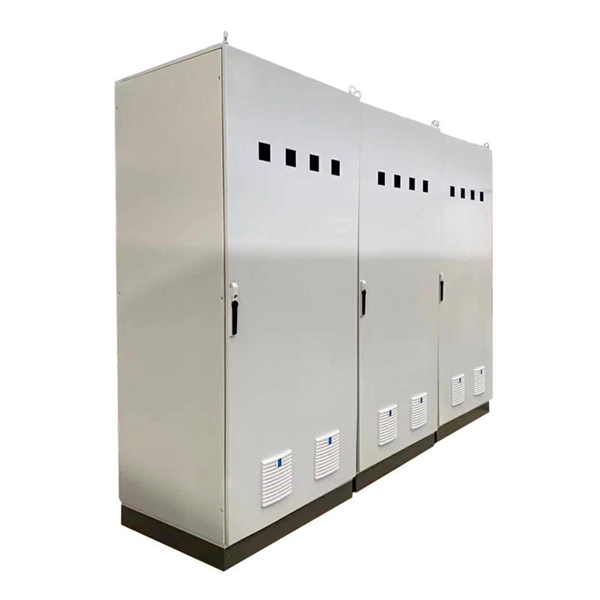
Electrical enclosures typically contain circuit breakers, contactors, busbars, terminal blocks, switches, and wiring components. Additional accessories such as DIN rails, cable glands, cooling devices, and monitoring sensors help support mounting, wiring management, and...
[PDF Version]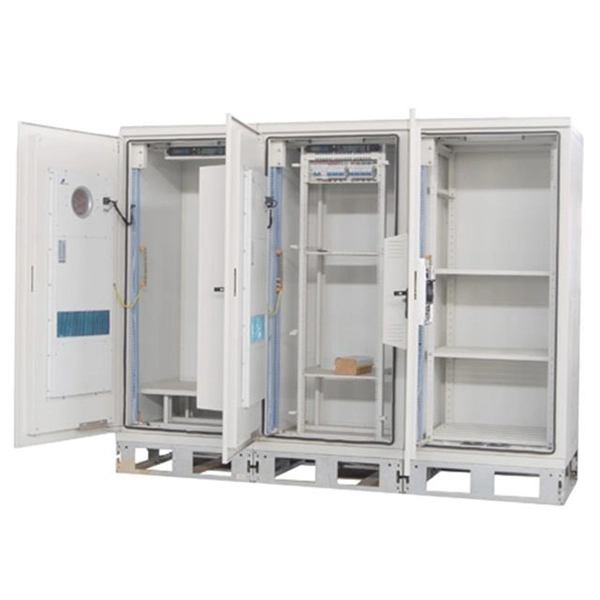
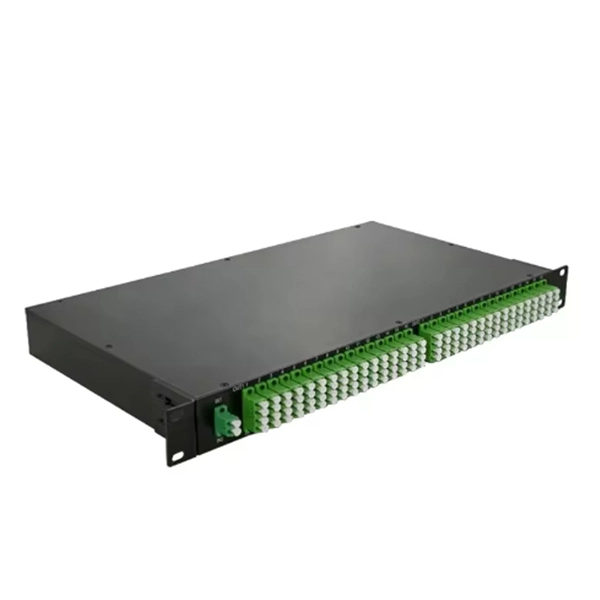
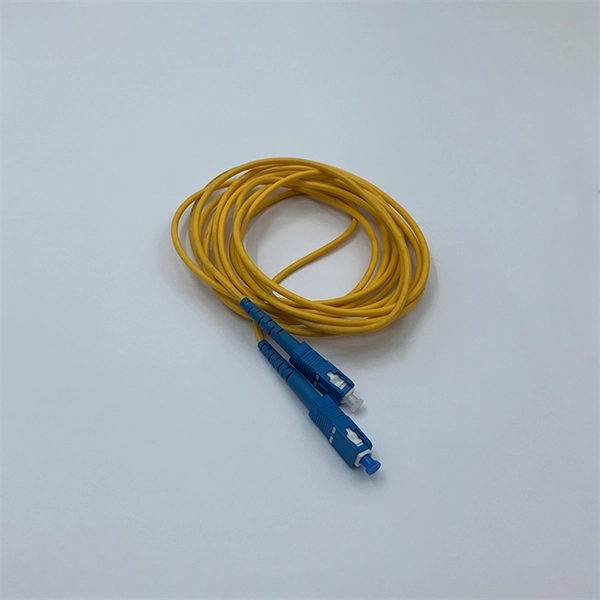
Common fiber optic accessories include connectors, adapters, patch panels, and strain relief hardware. Fiber optic patch cables, also known as jumper cables or fiber patch cords, serve as the lifelines of a fiber optic network, connecting various devices and ensuring the...
[PDF Version]Share the fiber interfaces, termination capacity, cable route and evidence required for handover.