
Temperature And Humidity Requirements And Control Methods For
Search optical fiber, connectivity, cable management and network infrastructure references.
- Temperature
- Humidity
- Requirements
Articles and technical references
10 on this page-
Relative protection room temperature and humidity requirements
Winter: The temperature should be maintained at 20°C ± 2°C. The relative humidity should be within the range of 40% to. Pressurize room to between 0. Place air conditioner inside protected area or in protected mechanical room, or if air handler must be placed outside of...
[PDF Version]
-
Humidity Requirements for Optical Module Products
Professional dehumidifiers are essential for maintaining optimal humidity levels between 35-55% relative humidity, which is crucial for preventing moisture-related damage to sensitive optical components. These conditions are. Optical humidity sensors have evolved through...
[PDF Version]
-
Data Center Room Temperature and Humidity
Ideal temperature and humidity for computers and data Therefore, in data centers, it is recommended to measure temperatures in aisles at various heights, a.
[PDF Version]
-
Temperature Control Distribution Box Configuration
Electrical Enclosure Temperature Control Guide Keeping the right temperature inside an electrical enclosure is very important. If it gets too hot, parts ca.
[PDF Version]
-
Explosion-proof distribution box heating tape temperature control
BR-3 Explosion-Proof Distribution Box It features a sturdy aluminum alloy enclosure, provides multiple protections against overload, short circuit, and gro.
[PDF Version]
-
Requirements for Level 3 Protection of Workshop Distribution Boxes
Technical Requirements Maximum discharge capacity: 20kA per phase or lower. Voltage protection level: ≤ 1800V. Level 3 protection is the final barrier of the system, capable of fully eliminating any transient overvoltage that may occur, ensuring the long-term stable operation...
[PDF Version]
-
Fiber Optic Temperature Analyzer for Cable Channels
Measure temperature with fiber optic sensors for high-resolution distributed and multipoint monitoring in batteries, processes, and harsh environments.
-
Practical Methods for Installing Junction Boxes
Looking for a clear and practical guide to electrical junction box installation? In this video, we showcase real on-site construction photos, step-by-step installation processes, and essential tips for safe wiring and plumbing coordination. Whether you're involved in home...
[PDF Version]
-
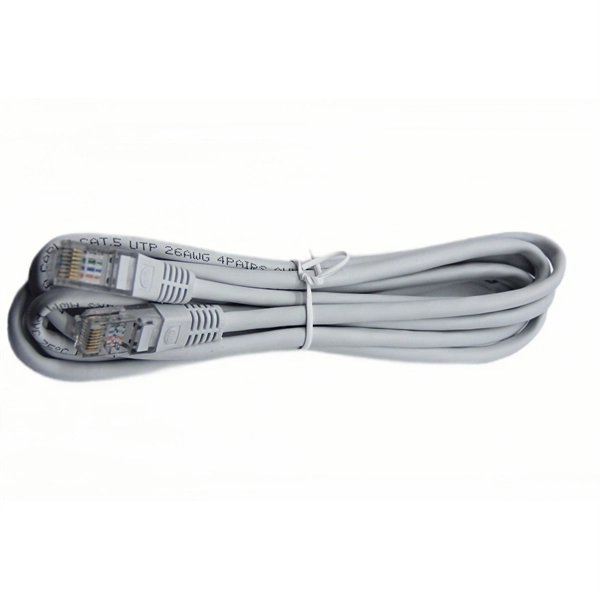
Fiber Optic and Cable Terminal Connection Methods
This article compares connector terminations, mechanical splicing, and fusion splicing, explaining when each technique is preferred in 2024 deployments. Unlike fiber splicing, which is permanent, connectors allow for easy connection and disconnection of cables, making them...
[PDF Version]
-
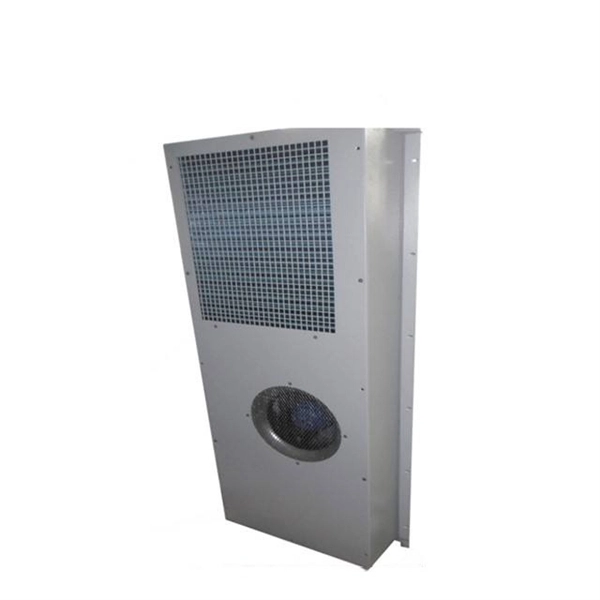
Requirements for spacing between cable trays
Support spacing for cable trays must align with the manufacturer's instructions, as outlined in NEC 392. Generally, standard trays require supports every 6 to 10 feet, while heavy-duty, long-span trays can handle distances of up to 20 feet between supports. The spacing...