
Technical notes
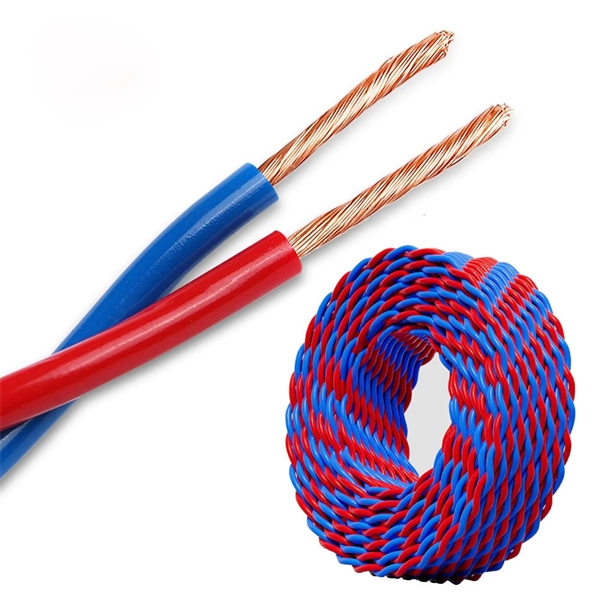
The NEC Rules
This circuit must be wired with a conductor that has an insulation rating of at least 75°C (due to the circuit breaker) and sized based on the ampacity of 60°C (due to the receptacle).
Requirements And Specifications For Installation Of Distribution Boxes
Use high-temperature resistant copper core wire, and the cross-sectional area should meet the load current requirements. The wiring process should be standardized to avoid copper wire
Transmission and distribution
The IEC publishes the International Standards that enable these energy-saving technologies to be planned and used in transmission and distribution networks around the world.
Ambient, core & installation temperature
The minimum temperature for installation can be found on the technical data sheet. If you strictly observe rules of good craftsmanship, cable can be installed at low temperatures down to -20°C: The
Design Considerations for Maximum Temperature per IEC Safety
IEC 61010-1 standard allows determining the maximum temperature levels by measuring the temperature rise under reference test conditions and adding this rise to 40°C or the maximum
ASHRAE TC9.9
Exposure to warmer temperatures, coupled with the fact that usable life cycle of power equipment is typically longer than IT equipment, increases the importance of this topic. This paper discusses how
How hot can circuit breakers get? What is the temperature of a
See data bulletin 2700DB9901 for detailed information regarding the circuit breaker operating temperature. The acceptable operating temperature of a circuit breaker is defined by UL in
Electrical Enclosure Temperature Control Guide
Keeping the right temperature inside an electrical enclosure is very important. If it gets too hot, parts can stop working or even catch fire. If it gets too cold, water can form inside and cause
IEEE 525-2007_accepted
The IEEE develops its standards through a consensus development process, approved by the American National Standards Institute, which brings together volunteers representing varied viewpoints and
Design Considerations for Maximum Allowable Temperature
Temperature tests are performed at the specified temperature range, and at least the minimum range, specified in the relevant standard, to limit the risk of burn injuries or fires.
Requirements And Specifications For Installation Of Distribution Boxes
In flammable and explosive environments, explosion-proof distribution boxes should be selected and explosion-proof treatment should be carried out. The installation of explosion-proof
Grounding System Installation Standards for Distribution Boxes and
By understanding the deeper principles behind grounding standards, avoiding common installation pitfalls, and insisting on certified materials from reputable suppliers, you''re not just
Guide to UL Wire Standards & Specifications
Demystifying UL wire standards: Learn about UL regulations & specifications for electrical wires. Ensure safety & compliance with our overview.
The NEC Rules
An example of how 90°C wire might be used at its 90°C ampacity is shown in 90°C Wire Used at 90°C Ampacity. Note that the conductor does not terminate directly in the distribution equipment, but in a
What is the temperature standard for IEC?
For instance, in the automotive industry, temperature standards ensure that vehicle wiring systems can withstand the heat generated by engines or exhaust systems. In the aerospace sector, temperature
Electrical Enclosure Temperature Control Guide
Key Takeaways Why It Matters: Temperature control is essential for protecting sensitive electrical equipment from heat damage, condensation, or
Electrical Conductor and Temperature Ratings
Use the installation environment''s maximum temperature when selecting the cable tie product. Cable ties should not be considered conductor or cable insulation, and their insulating value, if any, is not
Cold Weather Wire and Cable Installation Ratings and Tips
Industry standards allow a variety of cold temperature ratings for different cable types. Cold bend testing is required for most UL wire and cable standards. Cold impact testing is optional and is only used to