
The Engineering Toolbox
Search optical fiber, connectivity, cable management and network infrastructure references.
- Engineering
- Toolbox
Articles and technical references
10 on this page-
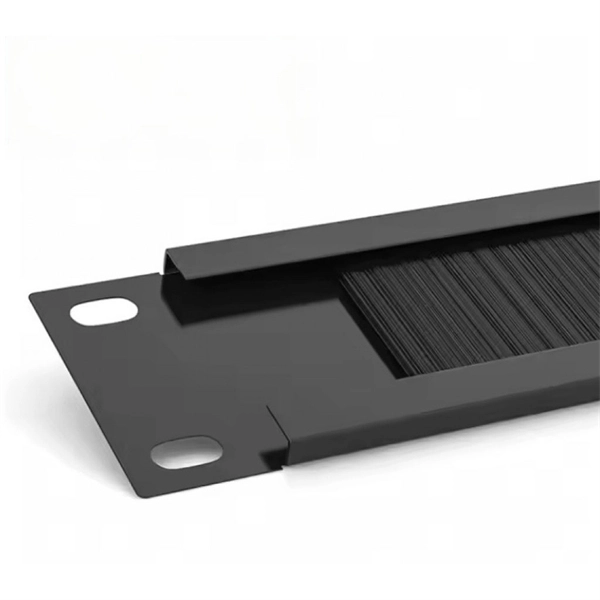
Engineering Grade Fiber Optic Attenuators
Fixed and variable attenuators in LC, SC, FC types — 1 to 30 dB range for precise optical power management. Basic types of fixed attenuation include single mode, dual window and multimode in D4/PC, FC, FC/UPC, MU, SC, SC/APC and UPC, ST and ST/UPC style connectors. Optical...
[PDF Version]
-
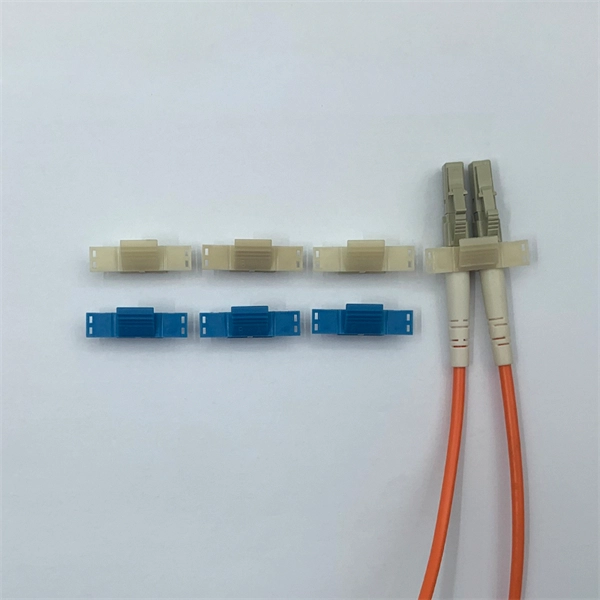
Price List for Optical Fiber Cable Engineering
Fiber optic cable installation costs average $4,500 for most homeowners, with most installations ranging from $1,500 to $7,000. This guide presents ranges in USD and practical price estimates to help. Fiber-optic cable materials typically cost $1 to $6 per linear foot...
[PDF Version]
-
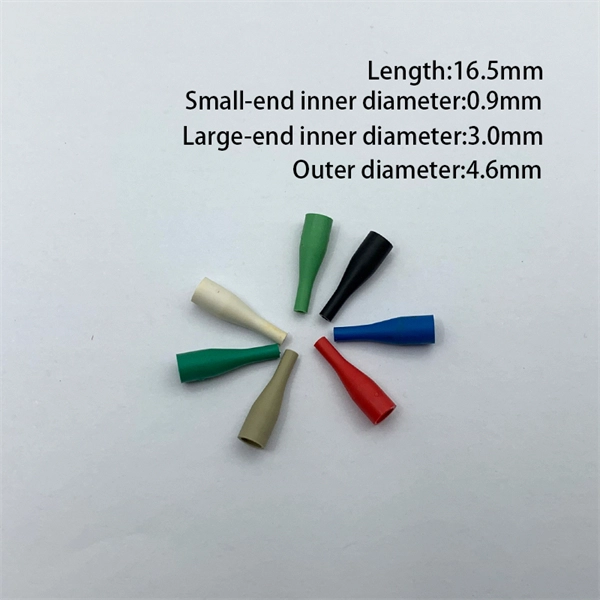
Sri Lanka Engineering Cable Tray Company
Discover the top companies like Bianco, C&D Electrical, Magline, Cable Management Systems, and EMP that offer high-quality cable trays for various applications. We provide a variety of cable trays and accessories, including electro galvanized, hot dip galvanized, steel...
[PDF Version]
-
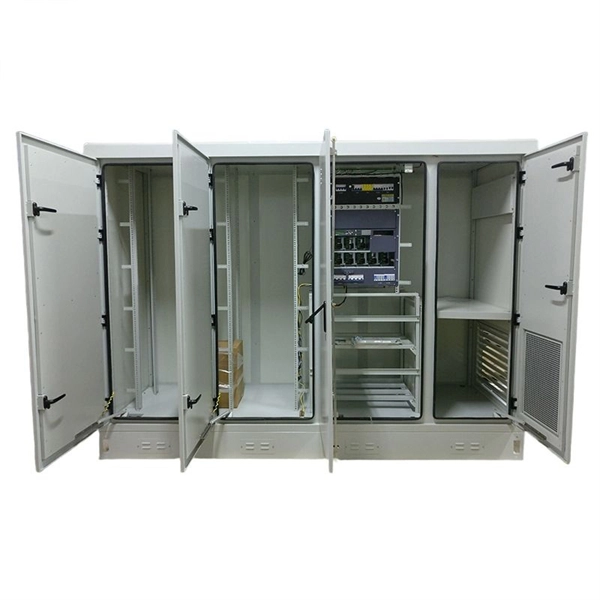
List of Raw Materials for Engineering Cable Trays
Cable trays are capable of supporting all types of wiring: High Voltage Power Lines. Cable Tray Materials: Most cable tray systems are fabricated from a corrosion-resistant metal (low-carbon steel, stainless steel or an aluminium alloy) or from a metal with a. Steel...
[PDF Version]
-
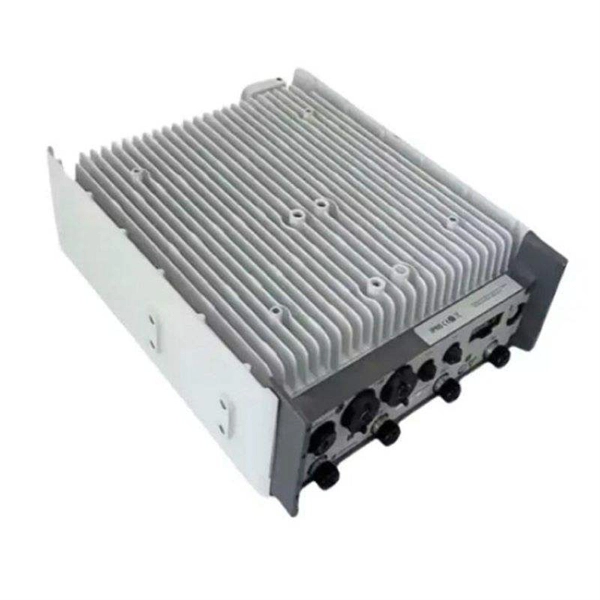
Aerial Optical Cables for Communication Engineering
Aerial fiber optic cable is a type of optical fiber transmission cable used for aerial deployment, suspended on towers, poles, or other supports, suitable for communication needs spanning long distances and connecting different areas. Some are self-supporting, requiring no...
[PDF Version]
-
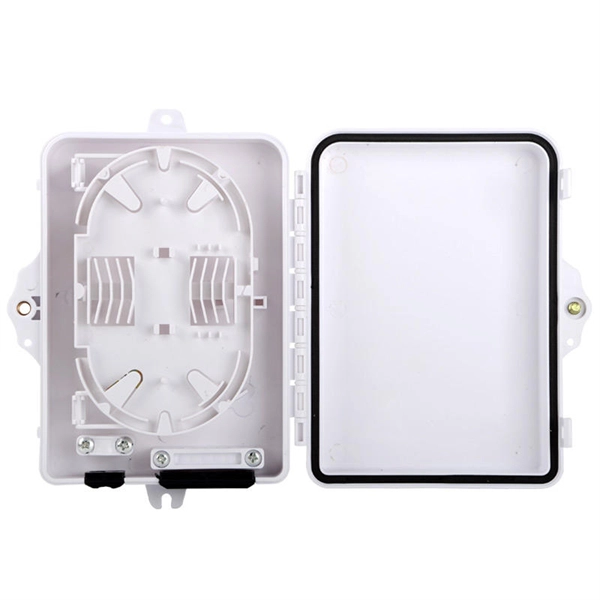
Cable trays are attached to the bottom of the board
Perforated Trays: These have a flat bottom with holes. The holes help with air flow and water drainage. Fill Limits: For power cables, the fill must not exceed 40% of the tray's. A cable tray is a support structure that seems to be a bridge that supports wires in the air...
[PDF Version]
-
Albania undertakes fiber optic cable engineering project
Albania's Prime Minister Edi Rama participated today in the signing ceremony of a memorandum of understanding between the Hungarian company 4iG and Telecom Egypt, which aims to establish a direct underwater cable line between Albania and Egypt. The Hungarian group 4iG...
-
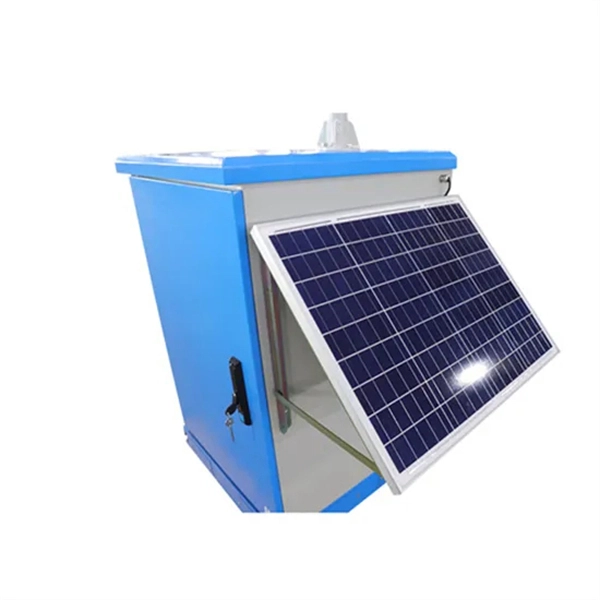
What material are engineering cable trays made of
Most cable tray systems are fabricated from a corrosion-resistant metal (low-carbon steel, stainless steel or an aluminium alloy) or from a metal with a corrosion-resistant finish (zinc or epoxy). These trays may be made of wire mesh, called "cable basket", or be designed in...
[PDF Version]
-
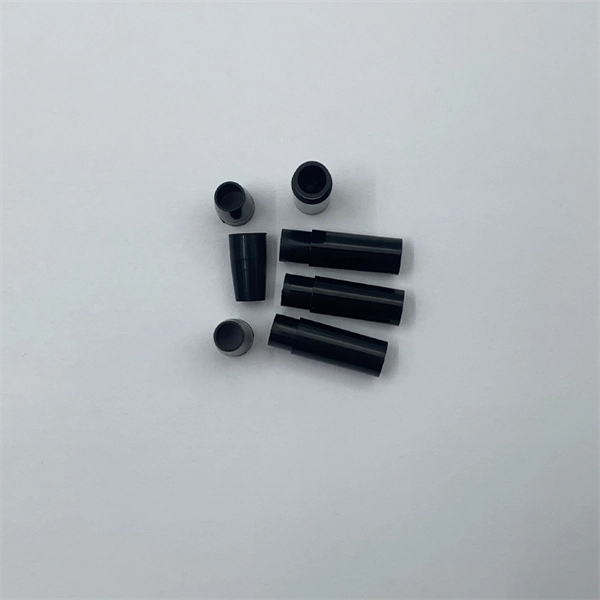
Kuwait Engineering Cable Tray Specifications
44 Or 3 mtrs This length has been standardized as Handling, shipment, storage, site usage etc. Standard widths based on tray type are: -50mm. Experience seamless functionality and durability at its best. Our FRP cable support systems are ideal for locations where the metallic...
[PDF Version]
-
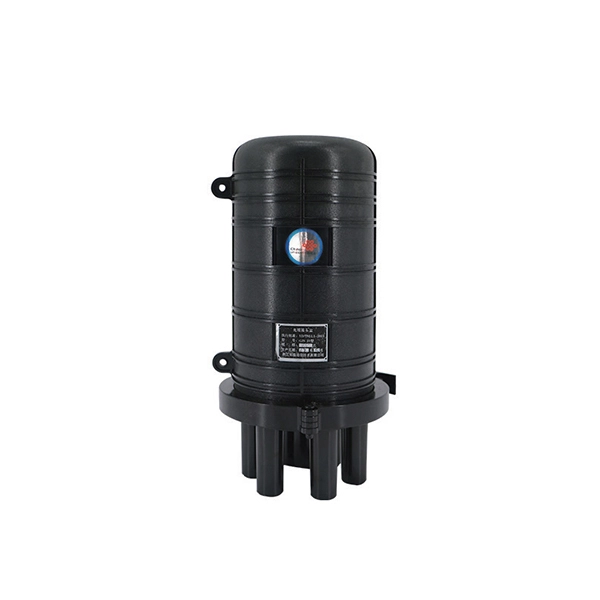
Engineering Optical Cable Model
When the fiber winding current layer ends, the winding of a new layer of fiber needs to start on the upper surface of this layer. “Spanning curves between adjacent layers” refer to the overlapping process.