
The Fiber Optic Channel
Search optical fiber, connectivity, cable management and network infrastructure references.
- Fiber
- Optic
- Channel
Articles and technical references
11 on this page-
Fiber optic cable routing channel bend
The normal recommendation for fiber optic cable is the minimum bend radius under tension during pulling is 20 times the diameter of the cable (d). While installers are aware of the fundamental importance of minimum bend radii, they often lack the practical know-how to. A...
[PDF Version]
-
Multimode Fiber Optic Channel
Multi-mode optical fiber is a type of optical fiber mostly used for communication over short distances, such as within a building or on a campus. With so. To recap Optical Fiber can be divided into Multimode Fiber (MMF) and Single-Mode optical fiber (SMF). Multimode Fiber...
[PDF Version]
-
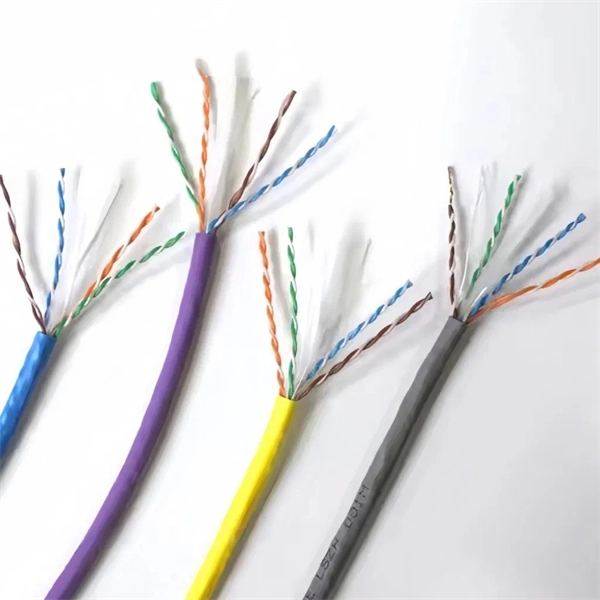
Methods for checking fiber optic channel anomalies
How to Test Fiber Cable Quality in Telecom ProjectsTechnical guide to testing fiber cable quality, covering visual inspection, optical loss testing, OTDR a.
[PDF Version]
-
Fiber Optic Cable Channel Inspection Methods
How to Test Fiber Cable Quality in Telecom ProjectsTechnical guide to testing fiber cable quality, covering visual inspection, optical loss testing, OTDR a.
[PDF Version]
-
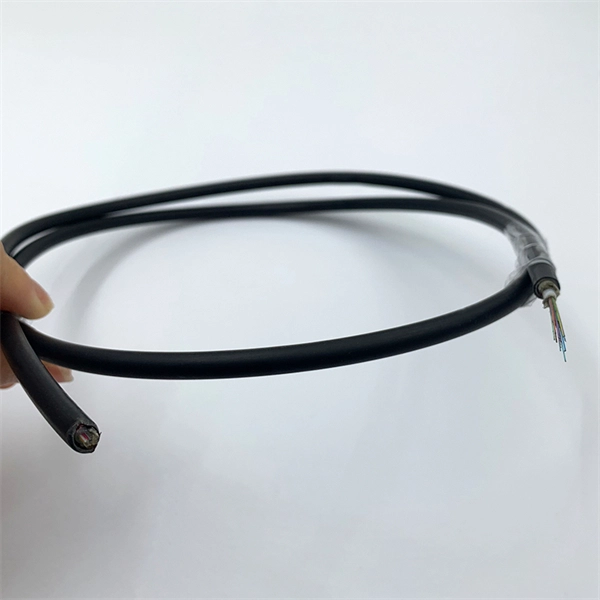
Fiber Optic Channel Width Requirements Standards
Fiber Optic & Cable Standards Guide | FiberMania StandardsPublished by the Telecommunications Industry Association (TIA), TIA-568.3-D sets the performance.
[PDF Version]
-
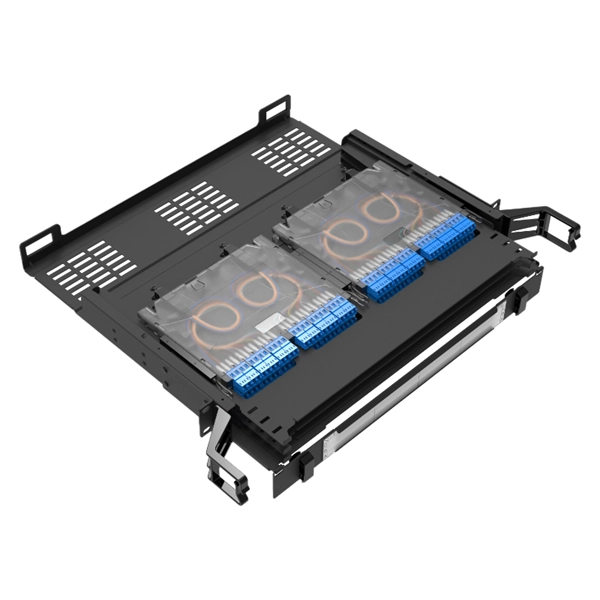
Fiber optic cable runs through power line channel
OPAC (optical power attached cable) is a type of fiber optic cable that is installed by attaching to a host conductor along overhead power lines. Besides traditional cables lashed to messengers, figure-8 cables or ADSS cables, utilities can construct transmission links using...
[PDF Version]
-
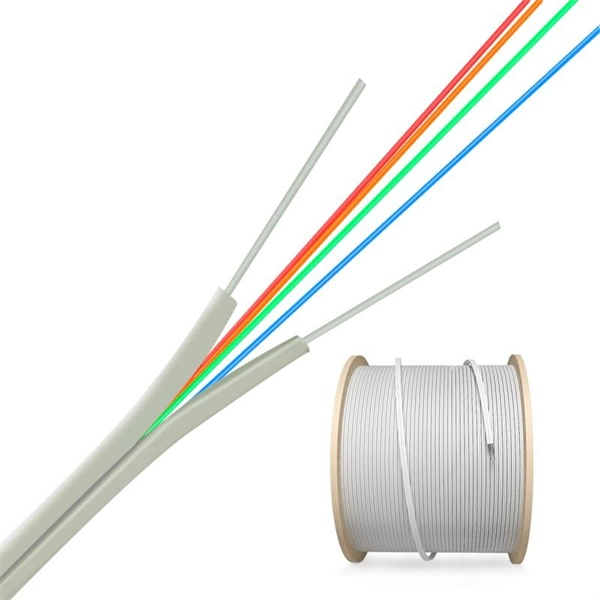
Fiber Optic Audio Output Channel Diagram
originally created TOSLINK to connect their CD players to the they manufactured, for audio streams. The data-link layer is based on the Sony/Philips Digital Interface (), while the hardware layer utilizes a fiber optic transmission system, rather than the electrical (copper)...
-
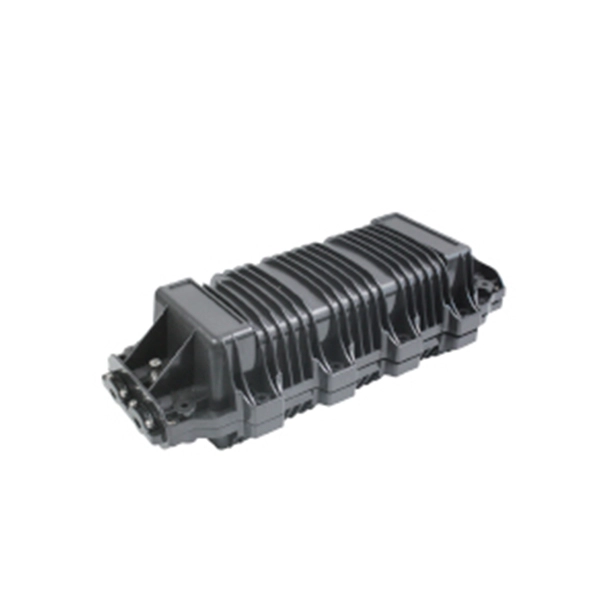
Fiber Optic Channel Structure
The Fibre Channel physical layer is based on serial connections that use fiber optics to copper between corresponding pluggable modules. The modules may have a single lane, dual lanes or quad lanes that correspond to the SFP, SFP-DD and QSFP form factors. Fibre Channel does...
[PDF Version]
-
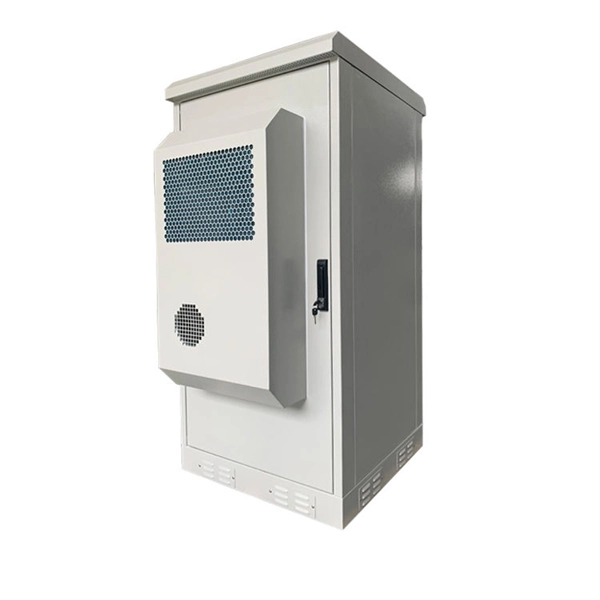
Fiber Optic Temperature Analyzer for Cable Channels
Measure temperature with fiber optic sensors for high-resolution distributed and multipoint monitoring in batteries, processes, and harsh environments.
-
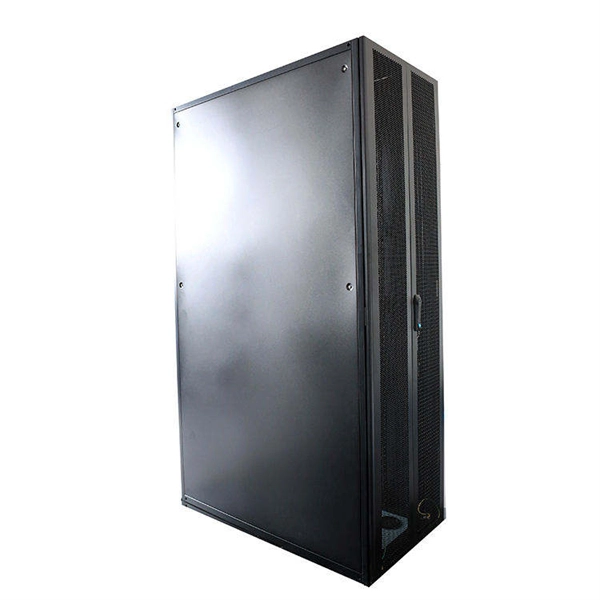
Fiber Optic Cable Fittings Catalog
Access AFL's comprehensive product catalogs in PDF format—covering fiber optic cables, connectivity, fusion splicing, inspection tools, uprstream/downstream energy, enterprise, tactical, and more—organized by category for quick download and easy reference. According to...
[PDF Version]
-
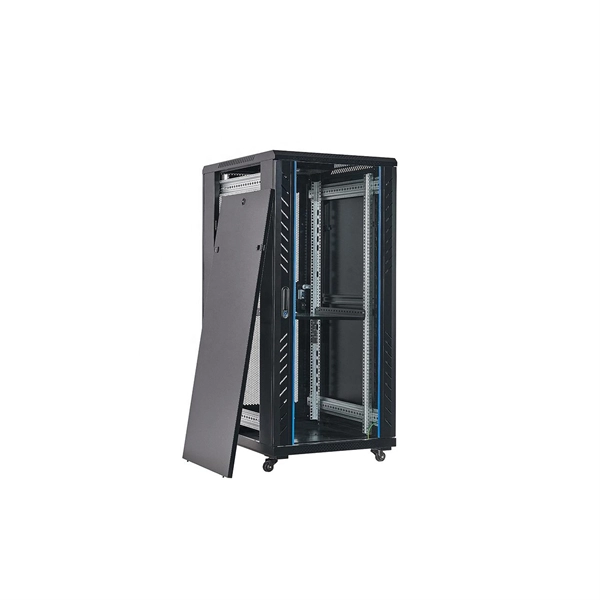
Underground fiber optic cable maintenance costs
Typical rates range from $90–$150 per hour for qualified fiber technicians. Some projects bill per span or per foot in addition to hourly labor. Underground systems cost more initially but often save money over their lifetime. The cost to fix a fiber line often hinges on the...
[PDF Version]