
Technical notes
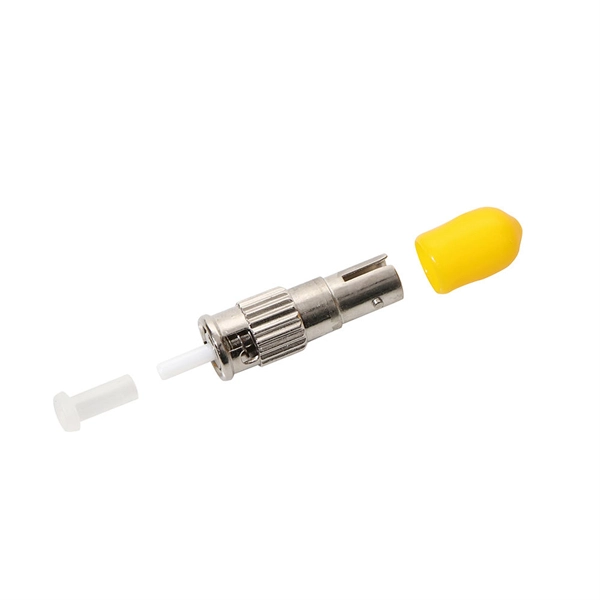
fiber optic cold connection
Fiber optic cold connection, also known as mechanical splicing, is a widely used method of connecting optical fibers in a network. Unlike fusion splicing, which uses heat to join two optical fibers
Optical Fiber Splicing: The Complete Technical Guide to Methods
This guide breaks down the fundamentals of optical fiber splicing, compares fusion and mechanical techniques, explains factors that influence splice loss, and outlines best practices for protection and
The Complete Step-by-Step Guide to Fiber Optic Splicing
This fiber optic splicing technique involves the precise alignment of two fiber optic cables, held in place by a self-contained assembly rather than a permanent bond.
4 Methods of Fiber Connection You Need to Know
2. Emergency Connection (Cold Splicing) Emergency connection, also known as cold splicing, uses mechanical and chemical methods to fix and bond two fibers together. This method is
Fiber Splices – mechanical splicing, fusion splicing, insertion loss
Fiber splicing means joining two optical fibers (permanently or temporarily) such that light guided in one fiber and reaching the joint (splice) can be transferred into the second fiber with low insertion loss.
Fiber Optic Splicing Types, Methods, and Applications
Fiber optic splicing involves joining two fiber optic cables to create a continuous optical path. This is typically done when the cable length is insufficient or when
Fiber Optic Cable Splicing Explained
Infield installations, splicing is a faster and more efficient method and is used to restore fiber optic cables when a buried cable is accidentally severed. There are 2 methods of splicing,
Optical fiber termination methods hot welding, cold joint, and coupling
There are 3 types of optical fiber termination methods for different optical communication projects and technical requirements of the cable terminal construction personnel: cold mechanical
An Overview of Splicing Techniques: Pros and Cons of Different
Fiber optic splicing is the process of joining two fiber optic cables together so that light signals can pass with minimal loss or reflection. Splicing is typically required during cable installation,
The Ultimate Guide to Splicing of Fiber: Techniques and Tips
There are two primary methods for splicing fiber optics: fusion splicing and mechanical splicing. Fusion splicing melds the ends of fibers together using an electric arc, while mechanical
Optical Fiber Cold Splicing and Fusion Splicing
After the two pigtails are pulled out, the cold joint is used to realize the docking of the two pigtails. It is easier and faster to operate, saving time than
The principle of optical fiber cold splice technology
Principle of Optical Fiber Cold Splice Technology Optical fiber cold splice technology is based on the use of mechanical connectors to join two fiber-optic cables. These connectors are
The Difference Between Optical Fiber Cold Splicing and Optical Fiber
If the construction conditions are harsh and the network needs to be quickly constructed on site, it is recommended to use optical fiber cold splicing. Of course, when there are requirements
The difference between optical fiber cold splicing and optical fiber
Optical fiber transmission has the advantages of wide transmission frequency, large communication capacity, low loss, no electromagnetic interference, small diameter of optical cable,
Fiber U Basic Skills Lab Workbook-splicing
Splicing Generally, splices are used to connect two fibers permanently. There are two basic categories of splices: Mechanical and Fusion. Fusion splicing uses a machine to “weld” fibers together in an
A Look at Splicing Methods | CommScope
A Look at Splicing Methods: Types, Advantages and Disadvantages The FTTH industry has grown exponentially in recent years, leading to changes in the ways that networks are being
Everything you need to know about fiber optic termination
Different connectors and splice termination procedures are used for singlemode and multimode connectors, so make sure you know what the fiber will be before you
Fiber cold splicing and fiber splicing
Optical fiber cold splicing and optical fiber fusion splicing: when light is transmitted in the optical fiber, there will be loss, which is mainly composed of the transmission loss of the optical fiber
Related Video Reference
This video was associated with the source search result. Verify technical details against current product documentation and project requirements.