
Technical notes
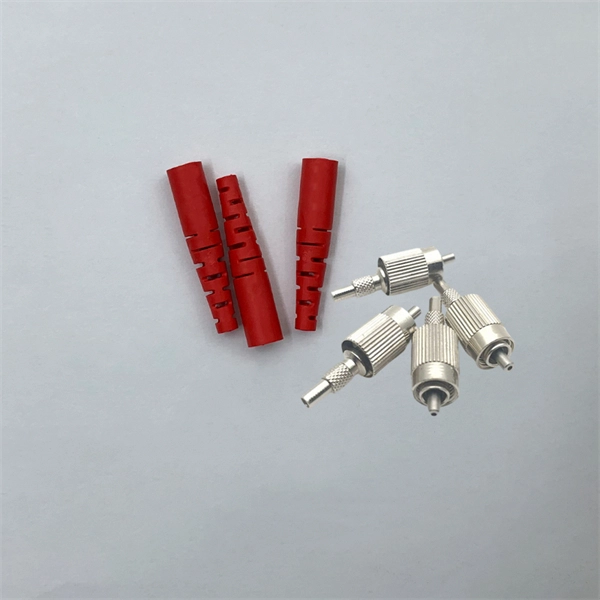
fiber optic cold connection
Fiber optic cold connection, also known as mechanical splicing, is a widely used method of connecting optical fibers in a network. Unlike fusion splicing, which uses heat to join two optical fibers
Understanding Cold Splice: A Comprehensive Guide for Fiber Optic
This blog explains what a cold splice is and its importance in fiber optic installation. It outlines the process, compares it with fusion splicing, and highlights its benefits, such as speed, cost
Optical fiber termination methods hot welding, cold joint, and coupling
It is to insert the stripped bare optical fiber into the mechanical joint component, so that the two optical fibers are in contact with each other, and the optical signal is smoothly transmitted
Fiber Optic Cable Splicing Methods: A Practical Guide
This is where fiber optic cable splicing—the process of creating a permanent, high-performance join between two fiber ends—becomes critical. For network managers and technicians,
Fiber Splicing Methods and Protection with Splice Closures
This method doesn''t require heating and doesn''t permanently splice the fibers together, making it suitable for quick temporary repairs or projects with limited budgets.
Difference between Cold Splicing and Hot Melting of
After the two caudal fibers are removed, the fiber optical cold splicer is used to achieve the docking of the two caudal fibers. With the rapid development
Fiber Optic Cable Splicing Explained
Infield installations, splicing is a faster and more efficient method and is used to restore fiber optic cables when a buried cable is accidentally severed. There are 2 methods of splicing,
What is Fiber Cold Splice?
What is Fiber Cold Splice? The fiber quick splicing connector is also called field assembly connector, means only use simple splicing tools not fusion splicer to realize drop cable terminated. During
Fiber Optic Splicing Types, Methods, and Applications
It involves melting the ends of two optical fibers using an electric arc, then joining them together to form a single seamless fiber. The result is a joint with extremely
The FOA Reference For Fiber Optics
Fiber optic joints or terminations are made two ways: 1) splices which create a permanent joint between the two fibers or 2) connectors that mate two fibers to
The difference between optical fiber cold splicing and
Optical fiber transmission has the advantages of wide transmission frequency, large communication capacity, low loss, no electromagnetic interference, small diameter of optical cable,
The Fiber Optic Association
Fiber Optic Splice Closures Once fibers are spliced, they need to be protected. For protection against the outside plant environment and damage, splices require
The FOA Reference For Fiber Optics
Fusion Splicing Fusion splicing is the process of fusing or welding two fibers together usually by an electric arc. Fusion splicing is the most widely used method of splicing as it provides for the lowest
How Anyone Can Splice Fiber Optic Cable | BroadbandSearch
Splicing fiber optic cable is the single critical skill to acquire when learning to install, maintain, and repair this new type of speedy internet.
Optical fiber cold splicing and hot melting steps
Optical communication is now the dominant network transmission method in society, which is nothing more than because it has many advantages and is now a new transmission
Fiber Optic Splicing: A Beginner''s Guide
Fiber optic splicing joins two fiber optic cables end to end seamlessly to create a continuous path for light signal, including mechanical and fusion splicing.
Optical Fiber Cold Splicing and Fusion Splicing
It is used to connect optical fiber or optical fiber butt pigtail, which is equivalent to making a joint (fiber butt pigtail refers to the butt joint of the fiber
FOA Lesson Plan: #7, Terminations and Splices
In this lesson, a long and very important one, you will learn about fiber splicing and termination. Fiber optic joints or terminations are made two ways: 1) connectors
Related Video Reference
This video was associated with the source search result. Verify technical details against current product documentation and project requirements.