
This Map Shows How Undersea Cables Move Internet
Search optical fiber, connectivity, cable management and network infrastructure references.
- Shows
- Undersea
- Cables
Articles and technical references
9 on this page-
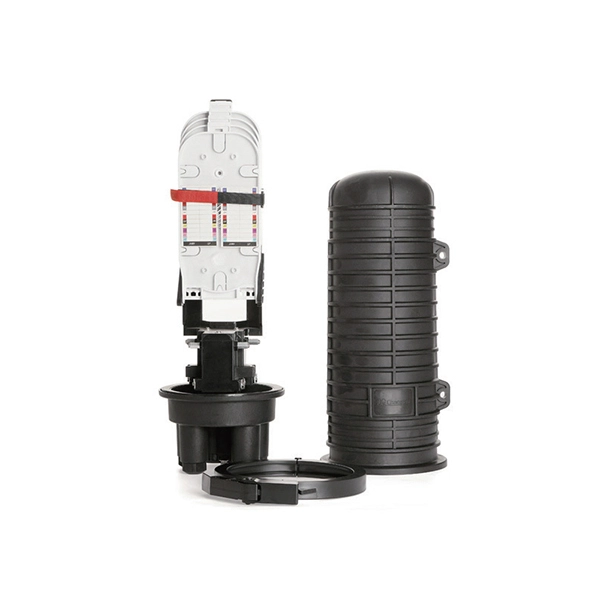
How are fiber optic cables classified for home delivery
“Fiber to the home” describes the use of fiber optic cable to deliver broadband internet from a central location directly to private residences. Connector types play a crucial role in selecting the right cable for specific applications, as different connectors are designed...
[PDF Version]
-
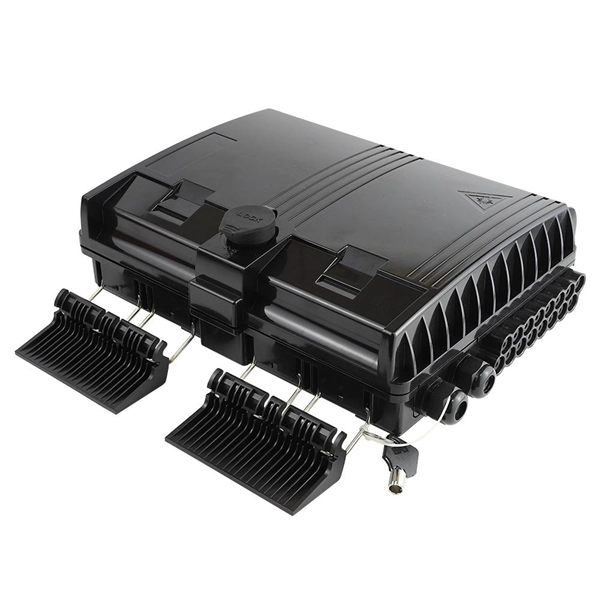
How to fuse ODF fiber optic cables
Learn how to splice fiber optic cable using fusion splicing with this complete step-by-step guide. Includes tools, best practices, loss standards (ITU-T G. 652), cost analysis, and FAQs for network engineers and installers. Regardless of the type of fiber network you're...
[PDF Version]
-
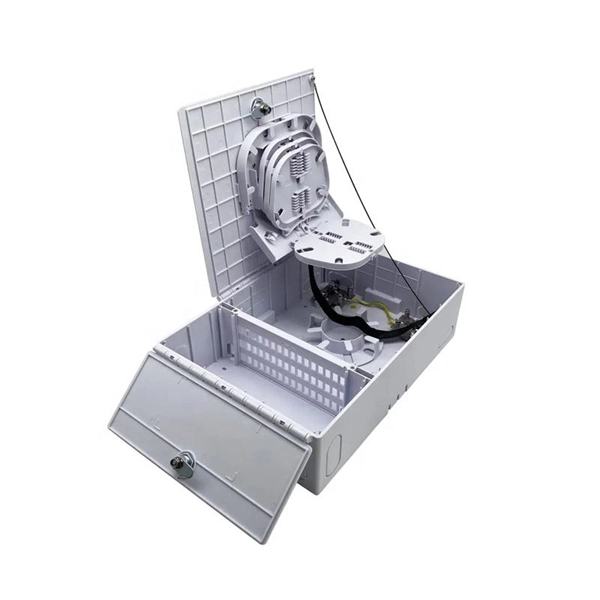
How to prevent fiber optic cables from being bent
Effective prevention requires proper route planning, use of fiber management accessories such as bend radius limiters and organized patch panels, and mandatory post-installation testing (insertion loss and OTDR) to verify compliance and ensure stable network performance...
[PDF Version]
-
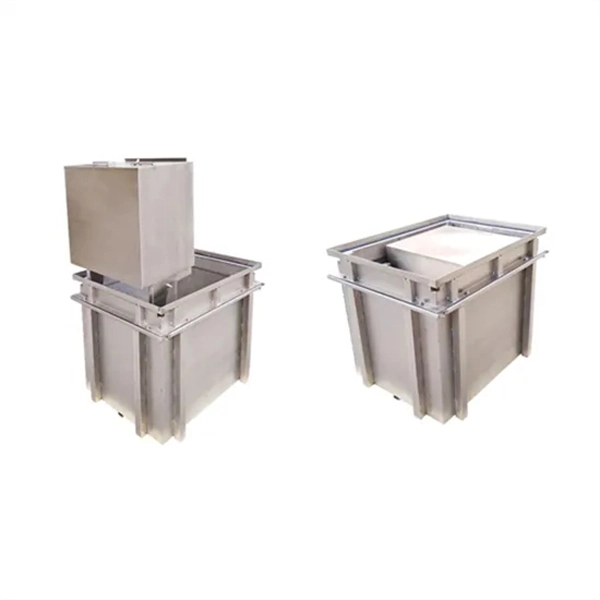
How are international optical cables transmitted
These high-capacity cables transmit data using light signals, enabling global communication. The process involves local ISPs routing traffic through cable landing stations, undersea cable systems, and foreign data centers, often assisted by Internet Exchange Points (IXPs)...
[PDF Version]
-
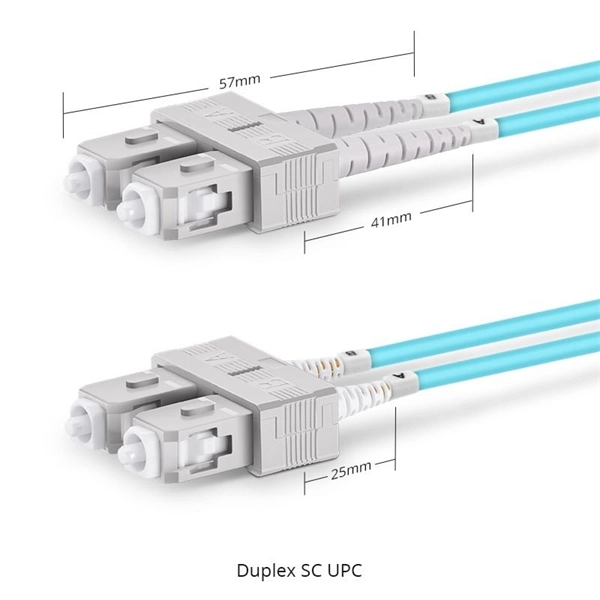
How should telecommunications fiber optic cables be laid out
163 describes criteria for the installation of optical fibre cables defined in Recommendation ITU-T L. (FOA) was founded in 1995 to help develop the workforce to build the fiber optic networks to support a rapid expansion in communications and the Internet. The charter of the...
[PDF Version]
-
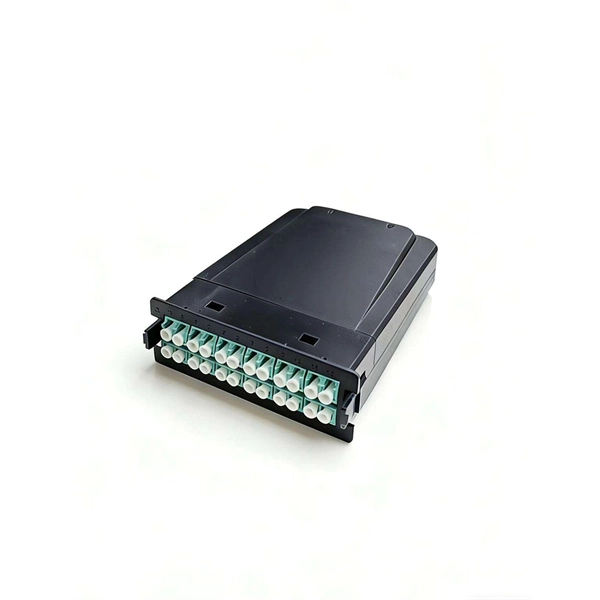
How to calculate fiber splicing calculation for optical cables
Multiply route length by attenuation to get the fiber component, then add event losses from splices, connectors, splitters, and patch panels. This separation helps locate whether distance or events drive the budget during troubleshooting. Then calculate the total optical...
[PDF Version]
-
How to make fiber optic cables connect to an additional line
In this guide, we'll walk you through the entire process of preparing fiber optic cable for splicing and termination to fiber connectors. Summary : Integrating fiber optic cables into your existing network can significantly boost speed, reliability, and scalability without...
-
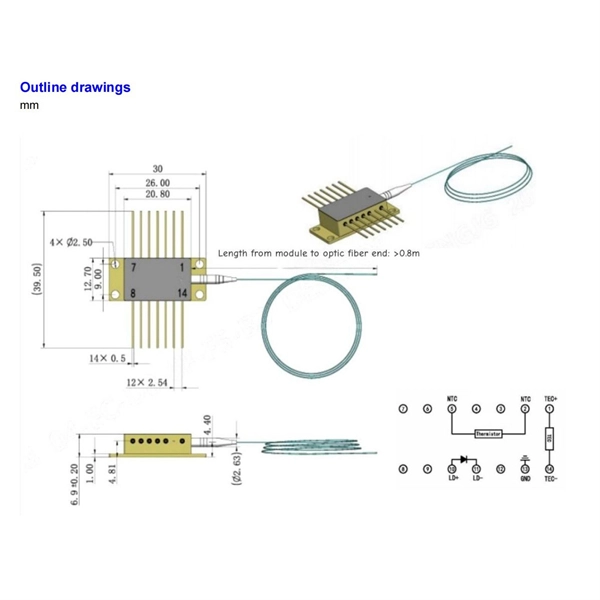
How to read a railway optical cable route map
Most train route maps consist of multiple lines, each represented by a different color or pattern. After identifying the lines, the next step is to locate the. This shows the details of the main cable route relative to the signal box or interlocking, field location cases and...
[PDF Version]
-
How to securely tie overhead optical cables
Use gentler options: Hook-and-loop, low-tension, and releasable ties protect fibers. This comprehensive guide delves into the installation requirements, explores the two primary cable types—self-supporting and messenger-supported—and offers practical insights to ensure...
[PDF Version]