
Technical notes
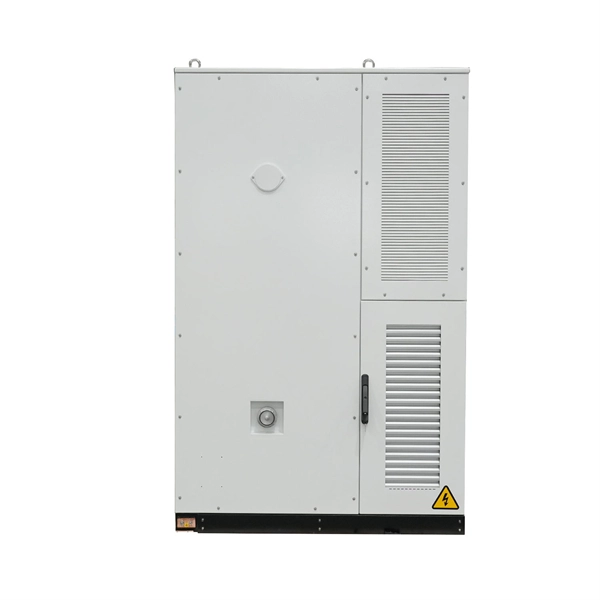
Distribution Box and Selection Guide: Internal Structure, Components
Learn how to choose a distribution box and understand its internal structure, including MCBs, busbars, neutral bars, earth bars, RCDs, RCBOs, SPDs, enclosure ratings, and wiring layout.
Distribution Box Guide: Types, Components & Solutions
Understand distribution boxes (DB boxes) in 5 minutes. Learn about types, components, functions, and uses. Find the perfect DB box for your needs.
Ultimate Guide to Transmission & Distribution Cables In...
In summary, knowing what are the three types of wires used in distribution systems—copper conductors, aluminum conductors, and insulated wires—will equip you with valuable insights for making informed
Ultimate Guide To Distribution Boxes Db Boxes Types
This ultimate guide explains what a distribution box does, its internal components, common types, real-world applications, and how to select the right DB Box for
Types of Electrical Cables: A Complete Guide
They are commonly used in building wiring, emergency circuits, public power distribution networks, and mobile equipment. This kind of cable is
Electrical Wire and Cable Guide
Guide to electrical wire and cable including wire size charts, wire and cable colors, insulation types, conductor metals, and types of wire and cable: AC cable, MC cable, NM cable, network cable, romex
Electrical Distribution Boxes -ZHENGKAI
Discover electrical distribution boxes types, components (MCB, RCCB, RCBO, SPD, busbar) and functions. Get expert selection guidance and
Electrical Control Panels & Distribution Boxes: Sizes, Types, and
Learn about control panels, breaker boxes, junction boxes, and custom enclosures. Explore standard panel sizes, applications, and key differences for residential, commercial, and
10 Different Types of Electrical Wire and How to Choose
Learn the different types of electrical wires and cables and how to identify each, so you can choose the right ones for your next home project.
Transmission and Distribution Power Cables
The main categories are based on voltage type (AC or DC), insulation technology, and application purpose. The following subsections breakdown some of the most common types.
All About Electrical Wiring Types, Sizes & Installation
Learn the basics of electrical wiring for the home, including wire and cable types, wire color codes and labeling, and essential wiring techniques.
Understanding Distribution Boxes:A Comprehensive Guide
A distribution boxes is an essential device that manages the safe and efficient flow of electrical power throughout different areas of a building or
Electrical Distribution Boxes -ZHENGKAI
Distribution boxes (DB), also known as distribution boards, are essential for safely distributing electrical power in residential, commercial, and
A Definitive Guide To Distribution Boxes
The distribution box acts as the center of power distribution, distributing electricity to all connected devices. A distribution box, also known as a distribution board, panel board, breaker
Distribution Boxes Types – The Complete Guide
The power distribution boxes deliver electricity from the main electrical main to other circuits. Several distribution boxes are designed for specific use in
The Ultimate Guide to Distribution Box Types
Discover the key types of distribution boxes with NUOMAK''s comprehensive guide. Learn about Main Distribution Boards (MDB), Consumer Units, Transfer
Understanding Distribution Boxes: Your Guide to Power
A: A junction box is primarily used to connect electrical wires, while a distribution box is designed to distribute power to various circuits. The
Power Distribution Box Essentials: Functions, Types
Budget and pricing: Normal boxes are more affordable, while explosion-proof boxes are more expensive due to enhanced safety features.