
Underground Cable Laying All You Need To Know
Search optical fiber, connectivity, cable management and network infrastructure references.
- Underground
- Cable
- Laying
Articles and technical references
9 on this page-
Underground fiber optic cable maintenance costs
Typical rates range from $90–$150 per hour for qualified fiber technicians. Some projects bill per span or per foot in addition to hourly labor. Underground systems cost more initially but often save money over their lifetime. The cost to fix a fiber line often hinges on the...
[PDF Version]
-
Coordination of Underground Optical Cable Construction
This guide explains the essential stages of underground fiber optic cable installation, including route design, trenching methods, cable protection strategies, and testing procedures to help ensure long-term performance and minimal maintenance issues. Unlike traditional...
[PDF Version]
-
Spacing of cable tray supports in underground parking garage
Support spacing for cable trays must align with the manufacturer's instructions, as outlined in NEC 392. Generally, standard trays require supports every 6 to 10 feet, while heavy-duty, long-span trays can handle distances of up to 20 feet between supports. The spacing...
[PDF Version]
-
Main procedures for optical cable laying
The routes for laying fiber optic cables may involve ducts, subterranean channels or elevated paths. Installation typically employs two techniques: pulling and blowing. The objective of this document is to be an optical fibre cable installation and laying guide, addressed to...
[PDF Version]
-
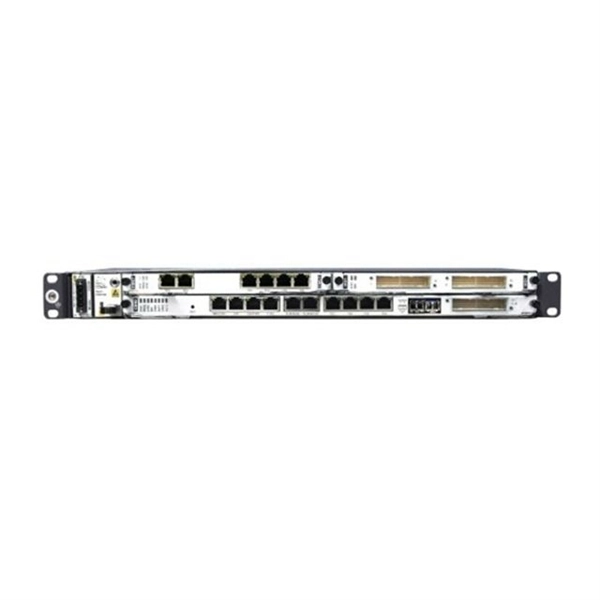
Requirements for fiber optic cable laying along walls
The plan should include equipment and supplies, fiber cable specification, location of equipment, testing requirements, data forms for testing, personnel experience level and assignment, installation methods, identification of potential problem areas, safety issues, etc. The...
[PDF Version]
-
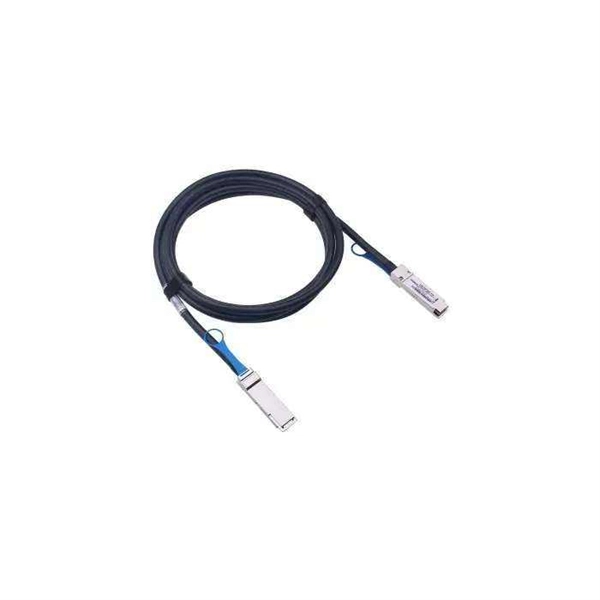
Analysis of the disadvantages of fiber optic cable laying
Laying fibre-optic cables is complex, requiring careful planning, precision, and attention to various technical, regulatory and environmental factors. Fibre technology also presents inherent challenges, as the cables tend to be fragile, and signals lose integrity over long...
-
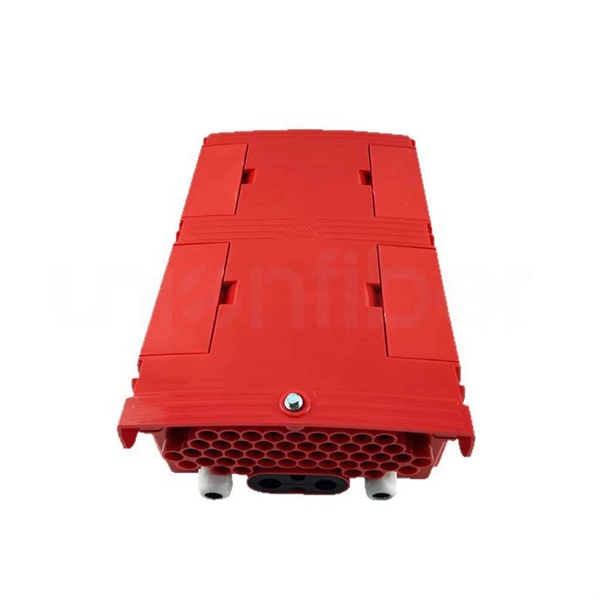
Laying network cables on high-altitude cable trays
This guide covers the critical steps, from selecting the right electrical cable tray and performing accurate cable fill calculations to managing a safe cable pull through and ensuring all bonding and grounding requirements are met. Cable ladder systems and cable tray systems...
[PDF Version]
-
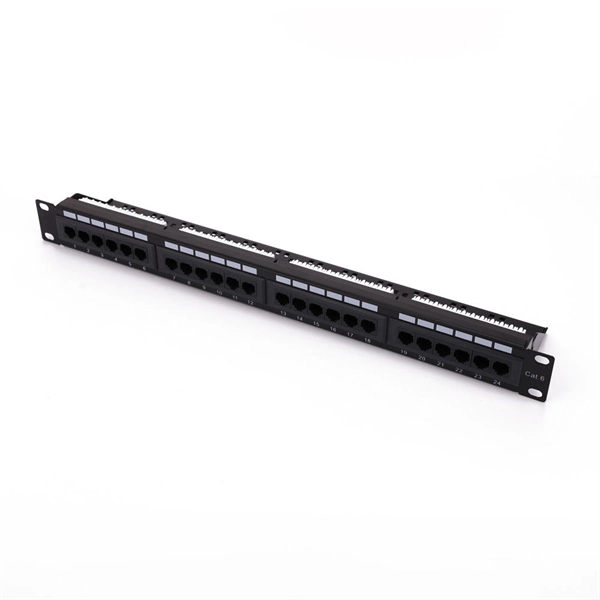
Methods for laying communication optical cable lines
Different environments demand different fiber optic cable installation methods: aerial cables strung on poles, direct-buried cables placed underground, submarine cables laid underwater, and indoor or outdoor cables used in specific settings. Usually, in ordinary soil and hard...
[PDF Version]
-
Technological Requirements for Cable Tray Laying
The National Electrical Code (NEC) is the ultimate authority for any cable tray installation. Specifically, NEC Article 392 governs the use, installation, and construction specifications for these systems. These systems, made from metal or plastic, are open structures...
[PDF Version]
Continue in the technical library
- Installation Method of Electric Cable Tray
- Relay protection device component protection
- How to calculate the quota content of cable tray accessories
- Kuwait Power Distribution Network Automation
- Advantages of Fiber Optic Multimode and Single-mode Multiplexing
- The function of installing a control distribution box