
Underground Electrical Cables Is Burying Cable Safe
Search optical fiber, connectivity, cable management and network infrastructure references.
- Underground
- Electrical
- Cables
Articles and technical references
10 on this page-
Electrical distribution box cable buried underground
This guide covers direct burial cable types (UF-B, USE-2, TC-ER-DB), NEC Table 300. 5 burial depth requirements, conductor sizing for underground runs, the UF-B vs. What Is Direct. These direct burial cable systems are particularly well-suited for telecommunications...
[PDF Version]
-
Underground fiber optic cable maintenance costs
Typical rates range from $90–$150 per hour for qualified fiber technicians. Some projects bill per span or per foot in addition to hourly labor. Underground systems cost more initially but often save money over their lifetime. The cost to fix a fiber line often hinges on the...
[PDF Version]
-
Coordination of Underground Optical Cable Construction
This guide explains the essential stages of underground fiber optic cable installation, including route design, trenching methods, cable protection strategies, and testing procedures to help ensure long-term performance and minimal maintenance issues. Unlike traditional...
[PDF Version]
-
Use ladder-shaped cable trays for ordinary cables
NEC 392 recognizes several cable tray types, each with different structural properties and ventilation characteristics that affect fill rules and ampacity. Ladder tray consists of two side rails connected by rungs, similar to a ladder laid flat. Cable trays support insulated...
[PDF Version]
-
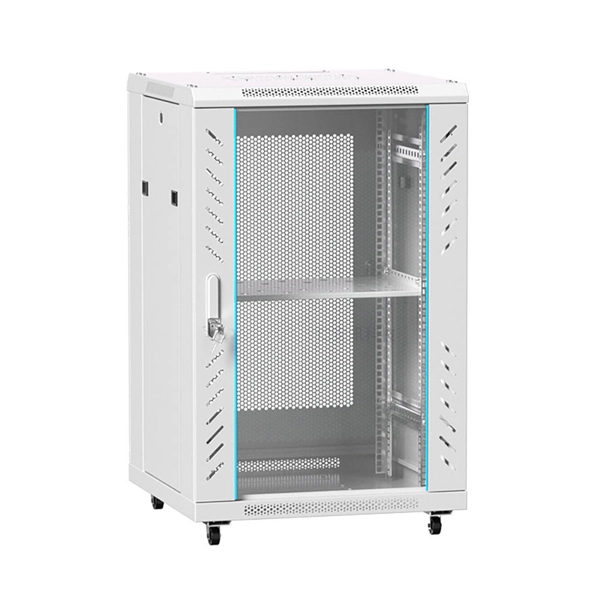
Electrical conduit cable trays
Explore various cable tray types and sizes for electrical installations. Learn about ladder, perforated, solid-bottom, wire mesh, and channel trays in this complete guide. Wire. Understanding the types of cable containment systems, including trays, trunks, and conduits, helps...
[PDF Version]
-
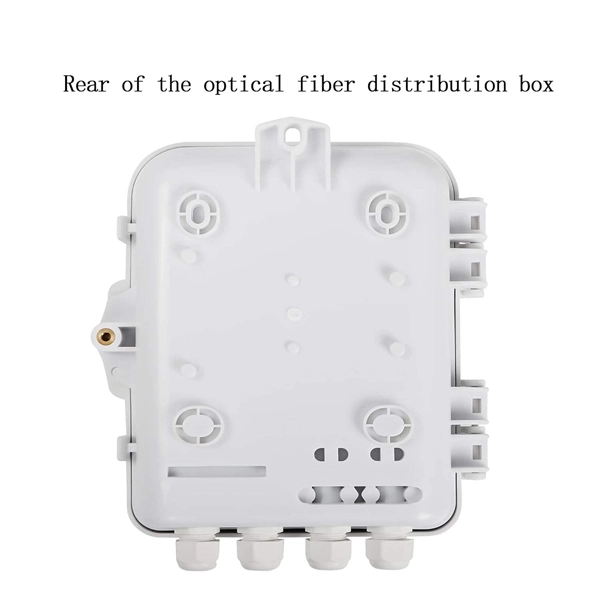
Underground drilling for communication optical cables
Directional boring is a trenchless method of installing dark fiber optic cable underground along a predetermined bore path.
-
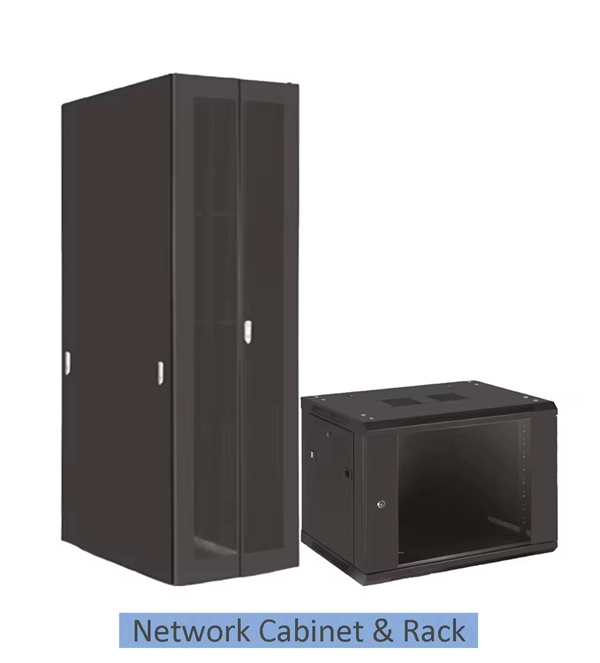
Spacing of cable tray supports in underground parking garage
Support spacing for cable trays must align with the manufacturer's instructions, as outlined in NEC 392. Generally, standard trays require supports every 6 to 10 feet, while heavy-duty, long-span trays can handle distances of up to 20 feet between supports. The spacing...
[PDF Version]
-
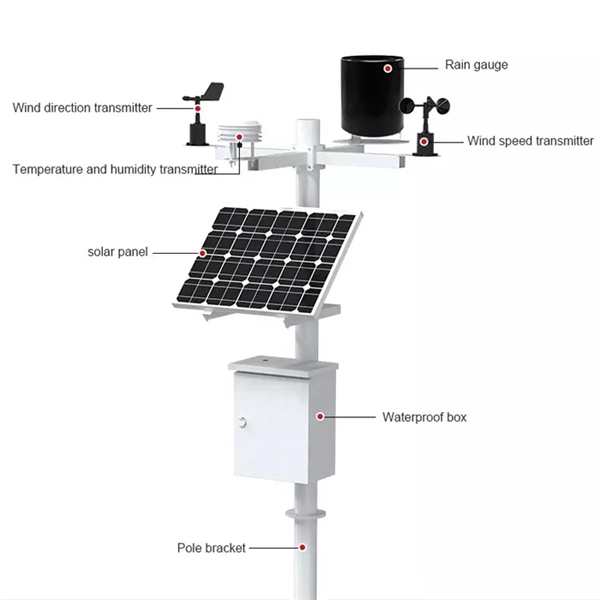
Small cable trays with many cables
Modern small cable tray systems feature modular construction that allows for easy installation and expansion. The primary function involves creating organized cable pathways that prevent cable damage from environmental factors, mechanical stress, and electromagnetic...
[PDF Version]
-
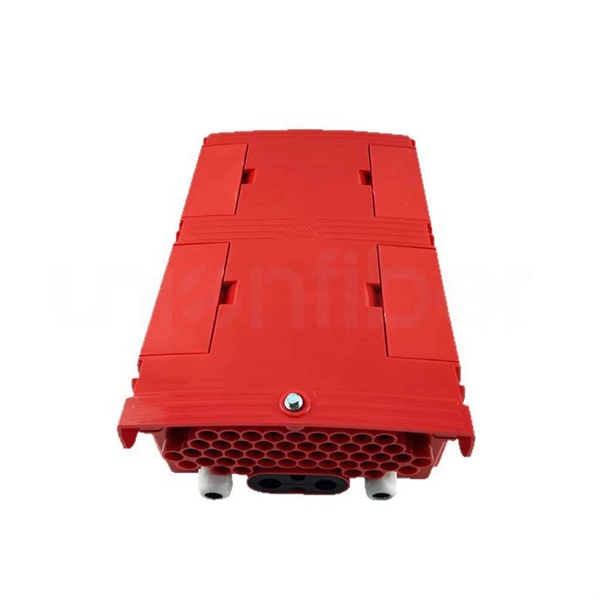
Laying network cables on high-altitude cable trays
This guide covers the critical steps, from selecting the right electrical cable tray and performing accurate cable fill calculations to managing a safe cable pull through and ensuring all bonding and grounding requirements are met. Cable ladder systems and cable tray systems...
[PDF Version]
-
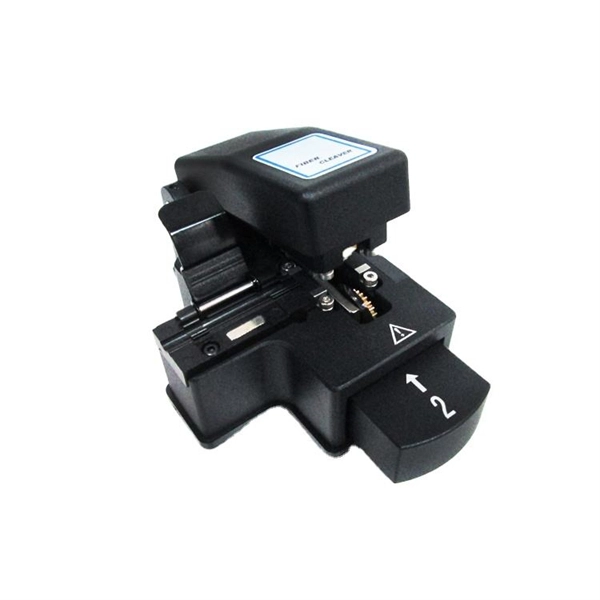
Underground fiber optic cables in Western Europe
Submarine internet cables, also referred to as or submarine fiber optic cables, are essential infrastructure that connect different locations and data centers to reliably exchange digital information at a high speeds. They are significant providers of global internet...