
Understanding Bandwidth Wavelength And Optical
Search optical fiber, connectivity, cable management and network infrastructure references.
- Understanding
- Bandwidth
- Wavelength
Articles and technical references
9 on this page-
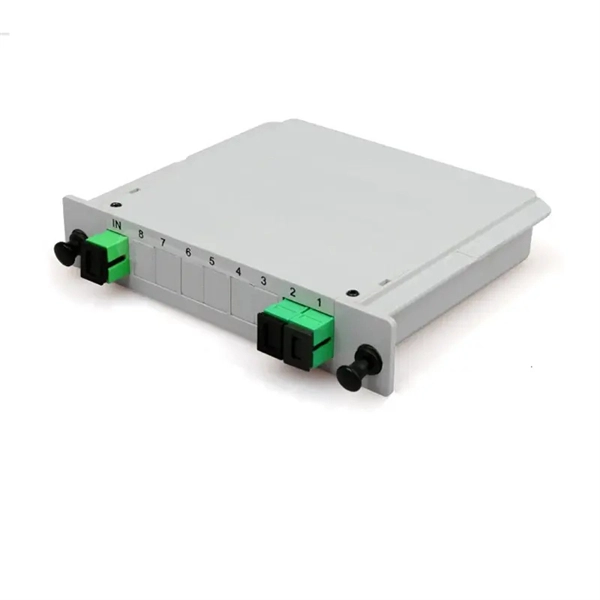
PON gigabit optical module wavelength
Wavelengths range from 1290 - 1330 nm in the upstream direction and from 1480 - 1500 nm in the downstream direction. Data is broadcast in the downstream direction, and in the upstream direction data is burst in TDMA mode (based on timeslots). Supports point-to-multipoint...
[PDF Version]
-
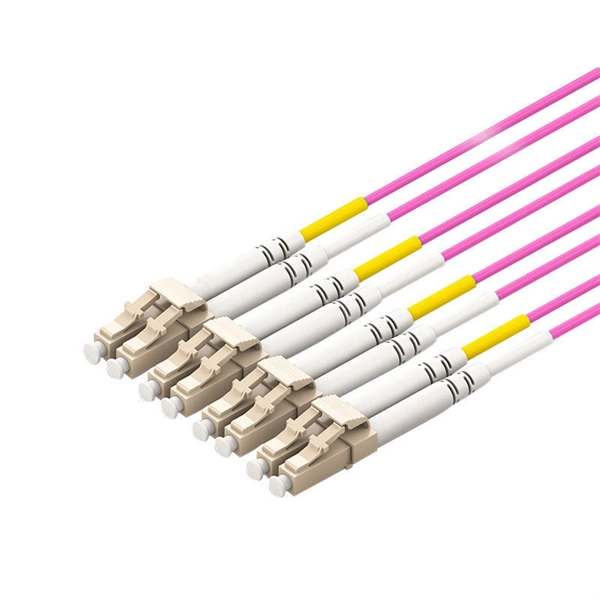
Why do 100G optical modules use wavelength division multiplexing
Both utilize wavelength division multiplexing technology to combine multiple optical signals of different wavelengths onto a single optical fiber, thereby increasing fiber capacity and transmission distance. This technique enables bidirectional communications over a. Based on...
[PDF Version]
-
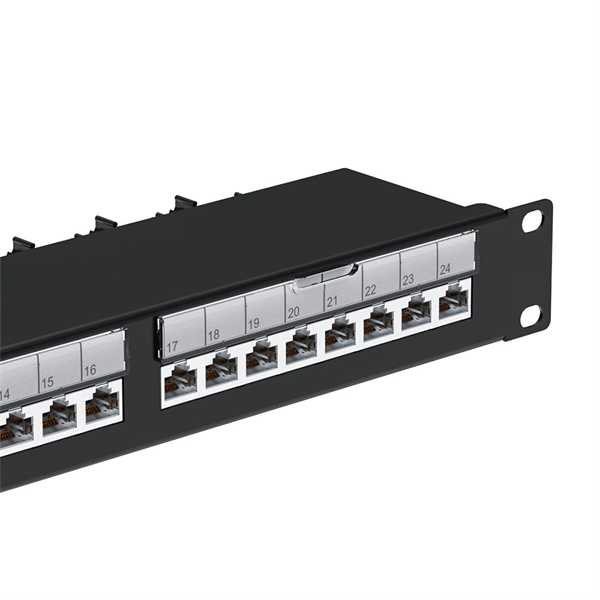
Optical module bandwidth parameters
Light's properties are at the heart of any optical transceiver module. Key parameters include center wavelength, spectral width, linewidth, and side-mode suppression ratio (SMSR). Optical modules are crucial for today's communication systems as they convert electrical signals...
[PDF Version]
-
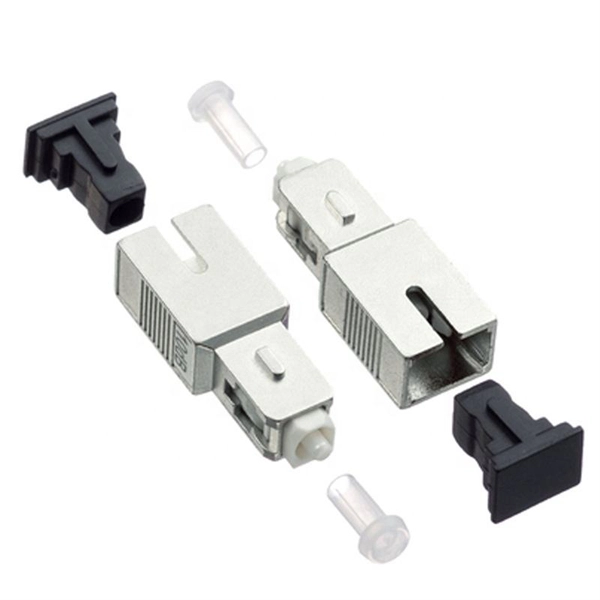
OLT optical module bandwidth
An optical line termination (OLT), also called an optical line terminal, is a device which serves as the service provider endpoint of a. It provides two main functions: 1. to perform conversion between the electrical signals used by the service provider's equipment and the...
-

Which wavelength to use for testing optical cables
It has been standard practice for many years to perform single mode fiber tests at 1550 nm (in addition to 1310 nm), to help find identify cabling stress points. Typically, a kinked cable may pass at 1310 nm, but fail at 1550 nm or beyond. Fiber optic transmission wavelengths...
[PDF Version]
-
Wavelength of 10ge optical module
The 10G SFP+ SR optical module operates at a wavelength of 850nm. When used with multimode fiber, it supports a maximum transmission distance of 300m, and features low cost, low power consumption, compact size and high density. 10G SFP+ LR. SFP+ optical modules are widely...
-

Optical module transmits optical wavelength
An optical transceiver module, often simply called an optical module, acts as a signal conversion interface in fiber optic networks. Due to process and production variations, different types of lasers or the same type of laser may have differences in central wavelength. An...
-

Wavelength Division Multiplexers and Optical Splitters
By using WDM and optical amplifiers, they can accommodate several generations of technology development in their optical infrastructure without having to overhaul the backbone network. The capacity of a given link can be expanded simply by upgrading the multiplexers and...
[PDF Version]
-
Original optical module wavelength
O band: O band is the original band, with a wavelength range of 1260nm-1360nm. Optical modules typically have an electrical interface on the side that connects to the inside of the system and an optical interface on the side that connects to the outside. Digital Diagnostic...
[PDF Version]