
Where is an RF shield box used?
RF shield boxes are used within a wide variety of areas for applications such as: - Cellular mobile phone test - High power products - Base station...
Search optical fiber, connectivity, cable management and network infrastructure references.
Cable trays allow for maximum air circulation around the conductors, facilitating heat dissipation and preventing the buildup of heat that can degrade cable insulation and reduce the current-carrying capacity, or ampacity, of the wires. A cable tray system is a structured...
Category 6 and 6A cable must be properly installed and terminated to meet specifications. The cable must not be kinked or bent too tightly; the bend radius should be larger than four times the outer diameter of the cable. The wire pairs must not be untwisted, and the outer...
[PDF Version]
Customized Distribution Box: Advanced Power Distribution Solutions Professional-grade customizable distribution boxes featuring advanced protection systems.
[PDF Version]RF shield boxes are used within a wide variety of areas for applications such as: - Cellular mobile phone test - High power products - Base station...
The purpose of RF shielding is to block radio frequencies from interfering with a product's/device's performance and functionality during performan...
RF shield boxes create an isolated testing environment that is used to guarantee precise test outputs and the possibility of test repeatability
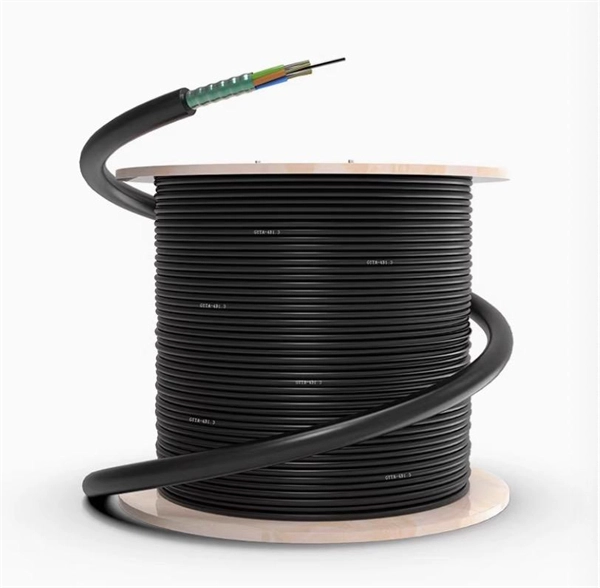
SIST EN IEC 60794-2-20:2025 delivers a comprehensive specification for multi-fibre optical cables intended for indoor environments—a foundation for high-density data centers, campus networks, and modern smart buildings. Let's learn more about the role of optical fiber cables...
[PDF Version]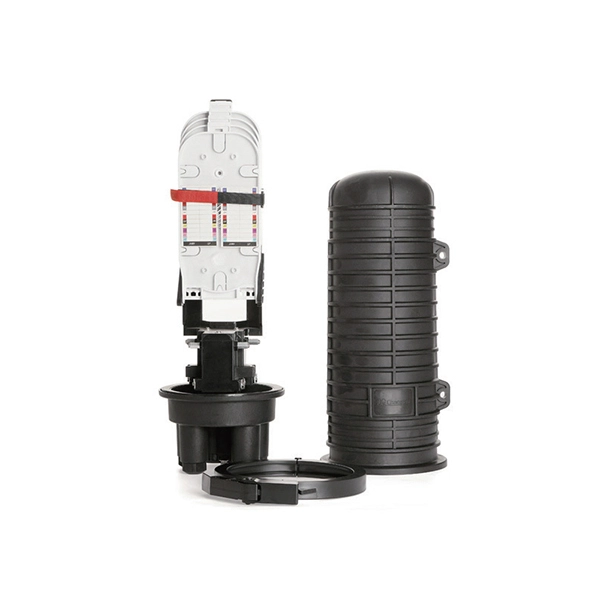
“Fiber to the home” describes the use of fiber optic cable to deliver broadband internet from a central location directly to private residences. Connector types play a crucial role in selecting the right cable for specific applications, as different connectors are designed...
[PDF Version]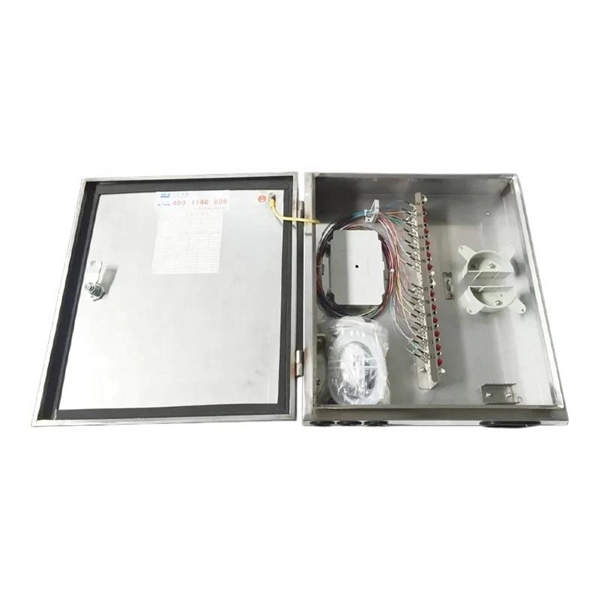
Cabling: The Complete Guide to Copper and Fiber-Optic Networking, 5th Edition is the industry-leading guide to helping you develop the skills you need to design and build reliable, cost-effective cabling infrastructure. The fourth edition of this popular guide provides you...
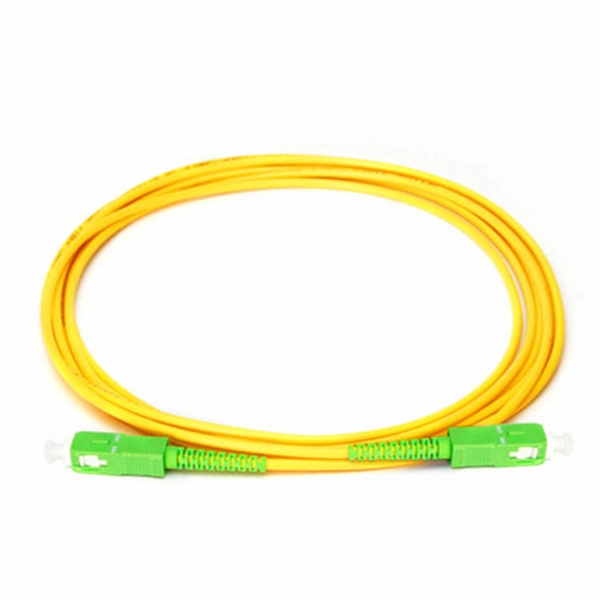
NEC 392 recognizes several cable tray types, each with different structural properties and ventilation characteristics that affect fill rules and ampacity. Ladder tray consists of two side rails connected by rungs, similar to a ladder laid flat. Cable trays support insulated...
[PDF Version]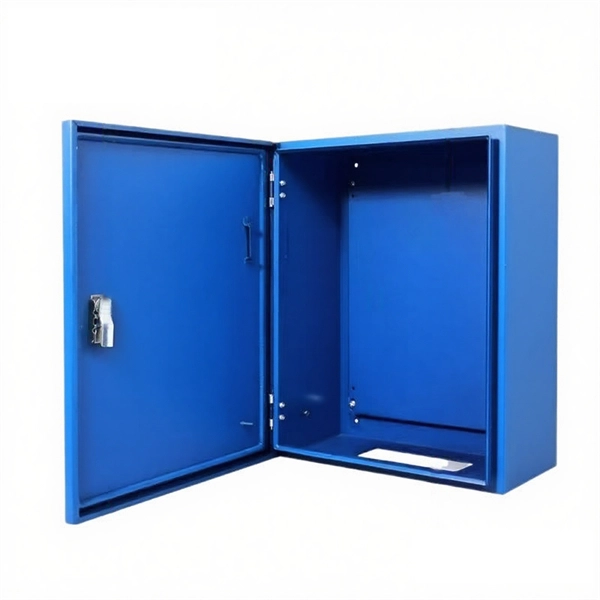
This article explains eight of the most important global fiber and cable standards — ITU-T, IEC, TIA, ISO/IEC, and Telcordia — covering their scope, applications, and why they matter in real-world deployments. Fiber optic networks are built on well-defined standards that...
[PDF Version]Share the fiber interfaces, termination capacity, cable route and evidence required for handover.