
Understanding The Differences G 652 D Vs G 657 A1 Vs
Search optical fiber, connectivity, cable management and network infrastructure references.
- Understanding
- Differences
Articles and technical references
11 on this page-
Monaco Bending-Insensitive Fiber G 652
G652D, a subclass of G652 (ITU-T G. 652), is the most widely deployed single-mode fiber, renowned for its reliability in legacy networks. Key features include: Mode Field Diameter (MFD): 10. 36. Bending losses are a function of the fiber type (SM or MM), fiber design (core...
[PDF Version]
-
Project Quotation Anti-tracking Optical Cable G 652
Find out all of the information about the Prysmian Group product: single-mode optical cable G. Contact a supplier or the parent company directly to get a quote or to find out a price or your closest point of sale. General Symmetric cable pairs Land coaxial cable pairs...
[PDF Version]
-
Differences between fiber optic pigtails
In this comprehensive guide, we will explore the different types of fiber optic pigtails, including LC, ST, and SC pigtails. Each type has its own unique design, size, and compatibility features. Understanding these differences is essential for choosing the right pigtail for...
[PDF Version]
-
Cable trays are attached to the bottom of the board
Perforated Trays: These have a flat bottom with holes. The holes help with air flow and water drainage. Fill Limits: For power cables, the fill must not exceed 40% of the tray's. A cable tray is a support structure that seems to be a bridge that supports wires in the air...
[PDF Version]
-
Price Differences in Complete Distribution Boxes
Key cost drivers include panel amperage, indoor vs outdoor location, wiring length, and whether a full panel upgrade or rerouting is needed. Understanding distribution box cost involves examining the comprehensive investment required for electrical distribution systems that...
[PDF Version]
-
Optical Circulator Smart vs Copper Cable
An optical circulator is a three- or four-port designed such that entering any port exits from the next. This means that if light enters port 1 it is emitted from port 2, but if some of the emitted light is reflected back to the circulator, it does not come out of port 1 but...
-
Silicon Photonics Technology vs Fiber Optics
Photonic chips integrate optical components on a single microchip, enabling high-speed data processing with reduced energy consumption, while optical fibers provide long-distance data transfer through flexible, low-loss glass strands. Silicon photonics and traditional fiber...
[PDF Version]
-
Sudan Bending-Insensitive Fiber G 652
652 specification has an absorption wavelength at 1383nm due to -OH (hydroxyl) within the fibre, which makes the E-band (water peak band) unusable. 657 are ITU-T standardized singlemode fiber types used across long-haul, metro, ODN, and FTTH networks. Each fiber type is...
[PDF Version]
-
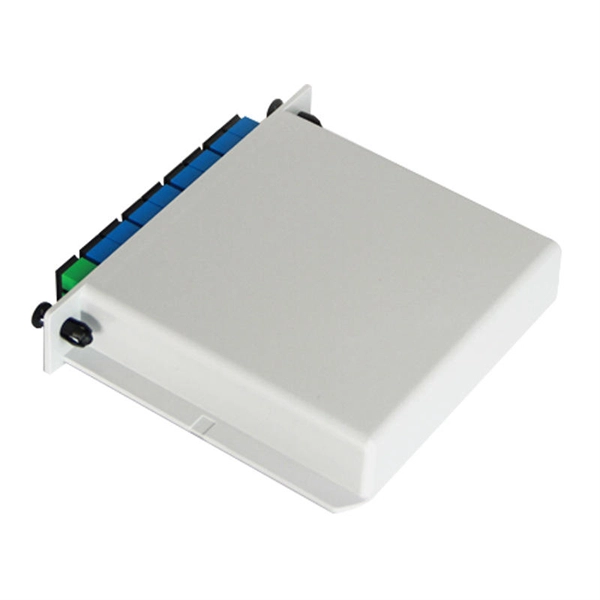
Comparison of upgraded fiber optic connectors and VS wireless performance
Recent trends in wireless and optical fiber communicationWith the rise of new technologies such as the Internet of Things, big data, cloud computing, virtu.
[PDF Version]
-
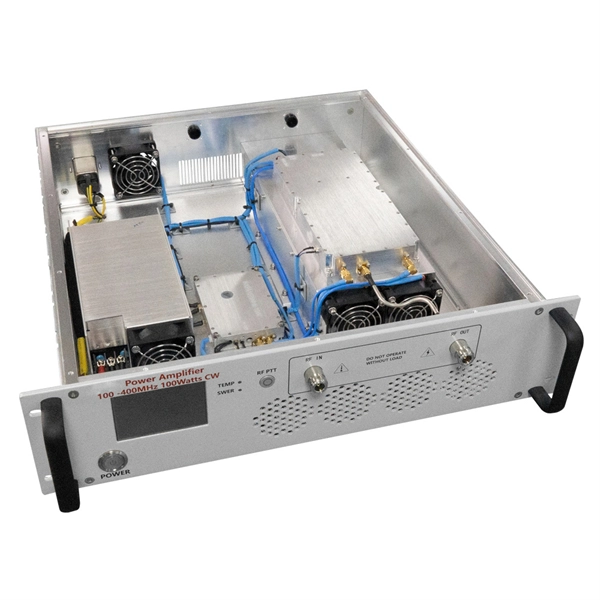
Anti-tracking performance comparison coarse wavelength division multiplexer vs copper vs fiber optic
High-Performance Wavelength Division Here, we develop a novel design approach that co-optimizes inverse-designed wavelength division multiplexers and distr.
[PDF Version]
-
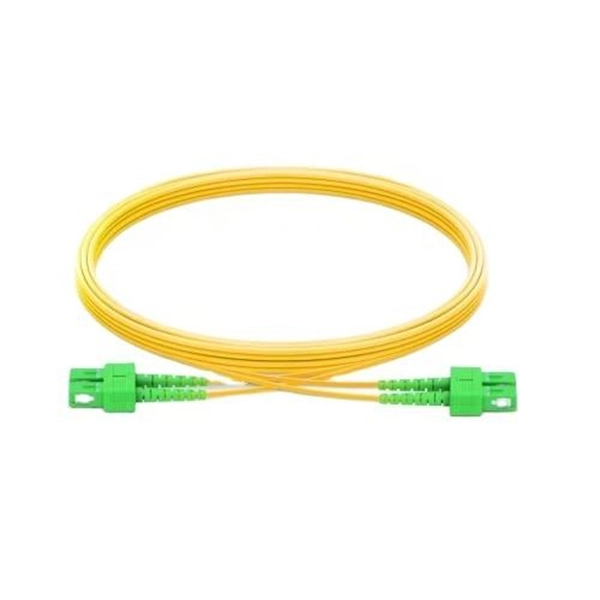
Using elevation differences to construct cable trays
Compute precise cable tray offset geometry, run lengths, and diagonal travel dimensions for tray routing elevation changes. maintain spacing or to keep cables in place when the tray is ect the minimum bend ra-dius for cables as they exit the bottom of the cable tray. A rung...
[PDF Version]