
Understanding The Magic Behind Pon Modules
Search optical fiber, connectivity, cable management and network infrastructure references.
- Understanding
- Magic
- Behind
Articles and technical references
11 on this page-
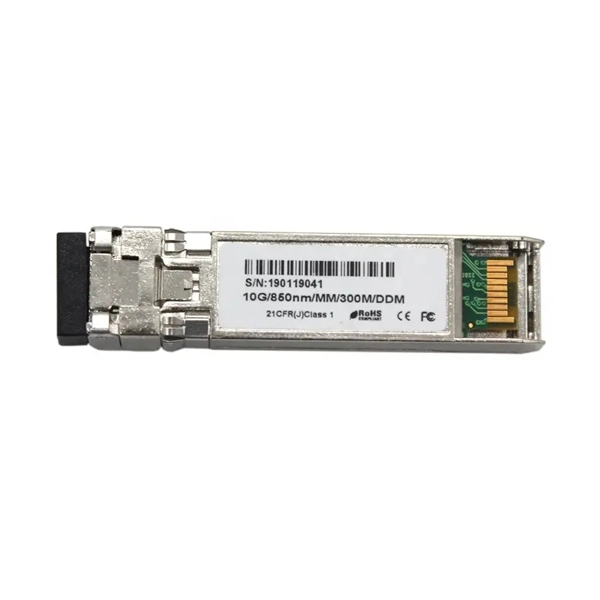
Do optical modules have PC interfaces
An optical module is a typically hot-pluggable optical transceiver used in high-bandwidth data communications applications. Optical modules typically have an electrical interface on the side that connects to the inside of the system and an optical interface on the side that...
[PDF Version]
-

Can optical modules improve home broadband speeds
This transition to optical fibers enables significantly faster and more stable internet connections, which are crucial for the modern digital lifestyle. Fiber-optic connections are the fastest and most reliable way we have to connect to the internet. Its primary function is...
[PDF Version]
-
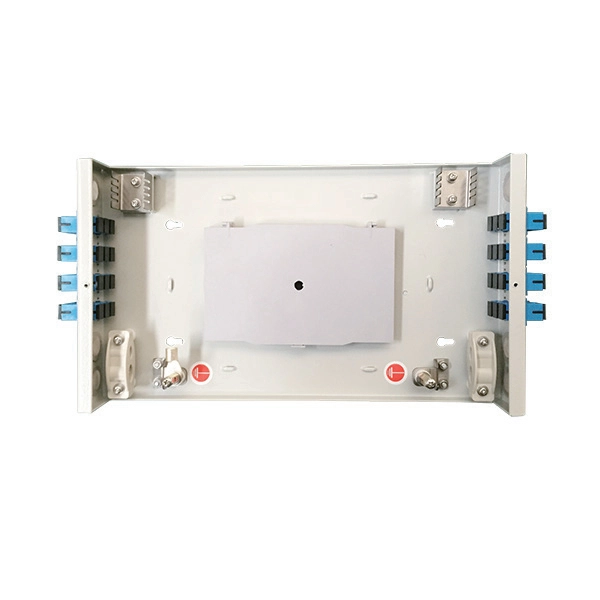
How to search for the concept of optical modules
Optical modules are compact devices that convert electrical signals into optical signals and vice versa. They are used in fiber optic communication systems to transmit data over long distances with minimal loss and interference. Operating at the physical layer of the OSI...
[PDF Version]
-
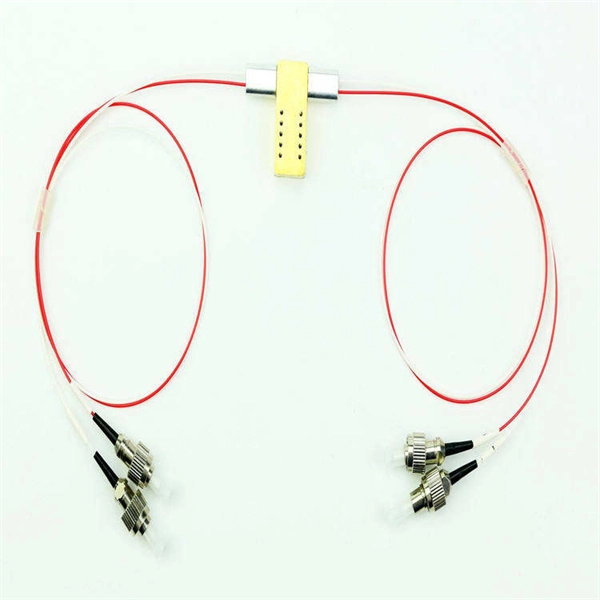
What are gigabit single-mode optical modules
A gigabit SFP module (1G SFP module) is a Small Form-factor Pluggable (SFP) transceiver designed to support 1Gbps Ethernet transmission by converting electrical signals from a network device into optical or electrical signals suitable for the selected transmission medium...
[PDF Version]
-

What is the demand for optical modules
According to industry data, the global optical module market exceeded USD 23 billion in 2025 (Source: STCN), and is expected to grow by approximately 25% in 2026 (Source: FXBaogao). The industry is rapidly transitioning to higher transmission speeds to support AI workloads...
[PDF Version]
-
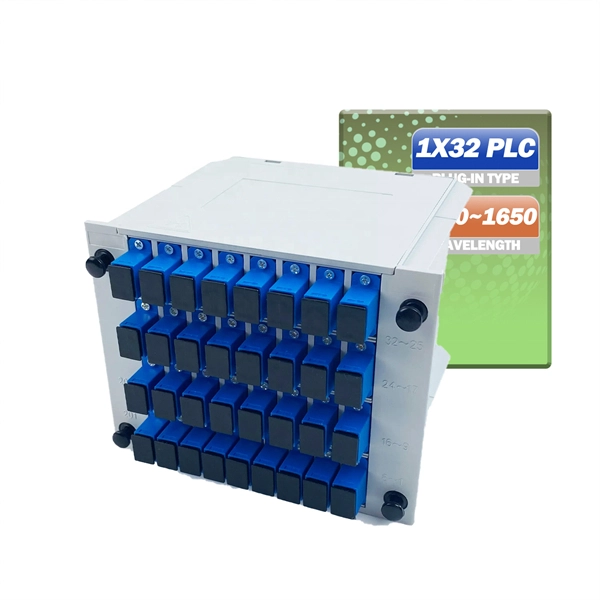
What is the function of Huijue optical modules
Huijue's optical fiber energy storage uses doped fibers to trap photons (light particles), converting them into stored energy. Think of it as a "light battery" that charges faster than you can say "lithium-ion. "On an optical network, a sender needs to convert electrical...
-

Standards for Single-Mode and Multi-Mode Optical Modules
The two primary standards are: – Single-Mode Fiber (SMF): Uses a 9µm core and laser light for long-distance communication (e., telecom, ISP backbones)., data centers . Published: 2026 | Category: Network Hardware Knowledge Base / Optical Communications Core Keywords: SFP...
[PDF Version]
-
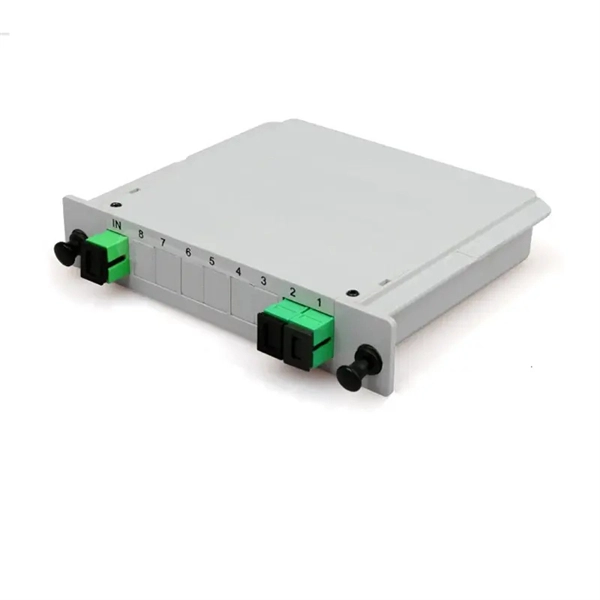
PON gigabit optical module wavelength
Wavelengths range from 1290 - 1330 nm in the upstream direction and from 1480 - 1500 nm in the downstream direction. Data is broadcast in the downstream direction, and in the upstream direction data is burst in TDMA mode (based on timeslots). Supports point-to-multipoint...
[PDF Version]
-
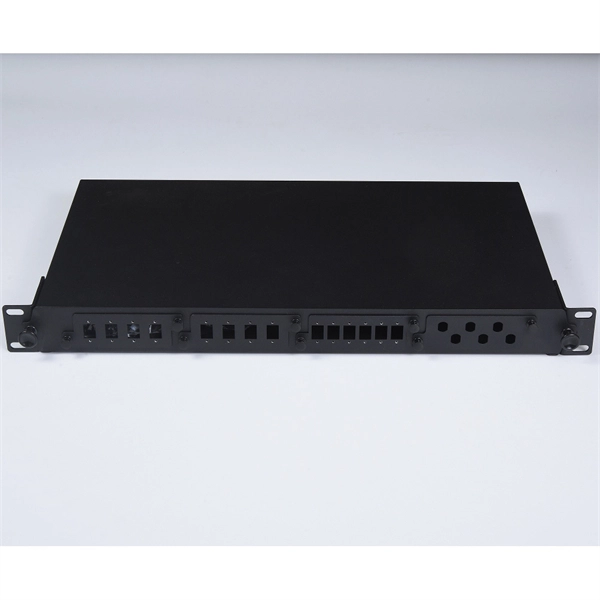
Can optical modules be connected and plugged in using patch cables
Fiber optic connectors in SFP modules are the physical interfaces that connect the transceiver to fiber patch cables, enabling optical signal transmission between network devices. Most SFP fiber optic modules use LC connectors, while SC connectors are mainly found in legacy...
[PDF Version]
-

Silicon Photonics Modules and Fiber Optic Transmission
Silicon photonics is the guiding of light in a planar arrangement of silicon-based materials to perform various functions. By integrating optical and electronic components on a single silicon substrate, silicon photonics enables faster. Silicon photonics (SiPh) serves as a...
[PDF Version]
-
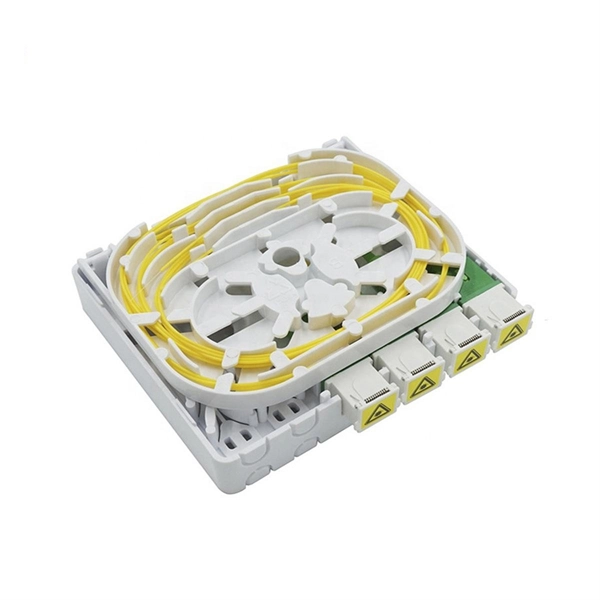
Embedded Systems in Optical Modules
Embedded or integrated semiconductor optical modules are starting to gain traction, with the shipments of On-Board Optics (OBO), Near-Packaged Optics (NPO) and Co-Packaged Optics (CPO) solutions projected to grow at a CAGR of 50 % through 2033. WES integrates an optical...