
Technical notes
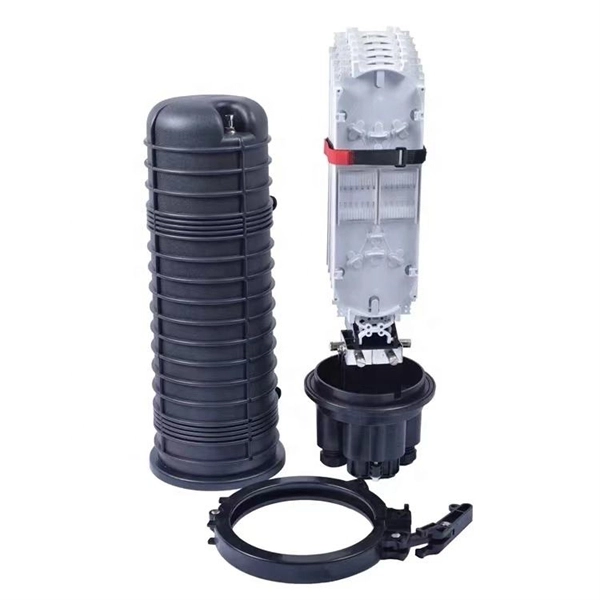
Distribution box
In this article, you will learn everything you need to know about installing, expanding or replacing a distribution box - from the legal basis to practical implementation. What is a distribution box and what
Is Your Electrical Box in the Basement Safe?
The electrical panel, often located in the basement, is the primary distribution hub for a home''s entire electrical system. This box is where utility power enters the residence and is split into individual
Basement Electrical Code Requirements for Homeowners
In unfinished areas, surface-mounted metal or nonmetallic boxes are often used. Grounding in the basement must also be robust, including the bonding of any metallic water piping or
The Basement Electric Meter: What You Should Know
An older electric meter and fuse box located inside a basement adjacent to the foundation wall. The armored grounding electrode conductor is coming out of the bottom of the meter socket.
Where Is the Distribution Box Located and How to Find It
Learn where distribution boxes are typically located in homes and get step-by-step instructions for finding your electrical panel. Includes safety tips and
Installing An Electrical Service For a Finished Basement Or Addition
Installing the electrical boxes and running the wires is called the rough-in portion of the electrical project. The rough-in is done prior to installing any finishing materials such as drywall and acoustic ceilings.
Distribution Box Guide: Types, Components & Solutions
Understand distribution boxes (DB boxes) in 5 minutes. Learn about types, components, functions, and uses. Find the perfect DB box for your needs.
Home Electrical Wiring | Install Wiring in a Basement
Modifying existing electrical circuits or installing additional electrical wiring should be done according to local and National Electrical Codes, with a permit and be
Understanding Distribution Boxes: A Comprehensive
Learn what a distribution box is, its types, and how to choose the right one for your project. Includes clear examples and expert tips.
Distribution Box and Selection Guide: Internal Structure, Components
Learn how to choose a distribution box and understand its internal structure, including MCBs, busbars, neutral bars, earth bars, RCDs, RCBOs, SPDs, enclosure ratings, and wiring layout.
Installing An Electrical Service For a Finished Basement Or Addition
Adding Electrical Service For a Finished Basement, Attic Or Addition - Part 2 Part 1 In our example we know we will need 4 new 15 amp circuits to provide the necessary electrical services for our finished
Understanding Distribution Boxes:A Comprehensive Guide
A distribution boxes is an essential device that manages the safe and efficient flow of electrical power throughout different areas of a building or
Ultimate Basement Outlet Positioning Guide (Code explained in plain
The code regulations for the positioning of electrical outlets differ depending on whether your basement is finished or not and what purpose it serves. You will need plugs in your basement
Understanding Distribution Boxes: A Comprehensive
A distribution box, also known as a power distribution box or electrical distribution box, is used to distribute electrical power safely to multiple
Home Electrical Wiring | Wiring Outlets for a Basement
Understanding electrical junction boxes and what they are used for. Home electrical wiring is the process of installing electrical wire to a location that will serve
What is an Electrical Distribution Box? A
Discover everything you need to know about electrical distribution box! Learn about types, components, and how to choose.
Basement Wiring Code (Building code explained in plain English)
When it comes to building code and wiring, things can seem very complicated. It''s a mess of terminology and footnotes, but thankfully, you aren''t going to have to decipher this on your own.
Requirements And Specifications For Installation Of Distribution Boxes
In flammable and explosive environments, explosion-proof distribution boxes should be selected and explosion-proof treatment should be carried out. The installation of explosion-proof