
Using Iec Standards In Cable Tray And Conduit System Planning
Search optical fiber, connectivity, cable management and network infrastructure references.
- Using
- Standards
- Cable
Articles and technical references
11 on this page-
Nec cable tray standards
The primary rulebook used in the safe use of cable trays is NEC Article 392. This is a description of how to select, install, and support these metal or plastic frames, on which electrical wires are installed. You should consider it as a series of instructions that make the...
[PDF Version]
-
Cable tray steel material standards
IEC 61537 is the internationally recognized benchmark for metal cable tray systems. It applies to cable trays made of steel, stainless steel, aluminum, or other metallic materials. The standard ensures these systems can handle the physical and electrical loads they're exposed...
[PDF Version]
-
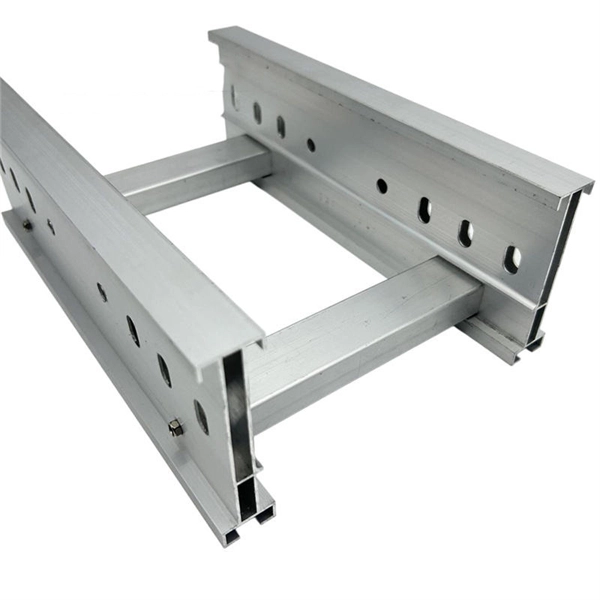
Steel cable tray load-bearing standards
IEC 61537 is the internationally recognized benchmark for metal cable tray systems. It applies to cable trays made of steel, stainless steel, aluminum, or other metallic materials. The Chinese national standard GB/T 21762 adopts this standard equivalently. Focusing on the...
[PDF Version]
-
ASEAN Cable Tray Thickness Standards
Cable Tray Technical Guide A practical guide to product selection and. This guide for engineers and installers has been developed by ABB as a practical r.
[PDF Version]
-
Standards for Cable Tray Elbows
Cable Tray Technical Guide A practical guide to product selection and. This guide for engineers and installers has been developed by ABB as a practical r.
[PDF Version]
-

Cable tray access standards
Codes and Standards | Cable Tray InstituteCovers construction and test requirements for continuous, complete nonmetallic systems of ladder, ventilated, sol.
[PDF Version]
-

Trough-type cable tray mesh
Unlike ladder or wire mesh cable trays, trough type cable trays use a fully enclosed structure formed from a single steel sheet, creating a protective channel that shields cables from external interference. Far superior to traditional conduit in many applications, cable tray...
[PDF Version]
-
What type of cable tray is a rigid cable tray
Cable trays are mechanical support systems that provide a rigid structural system for electrical cables, raceways, and insulated conductors used for electric power distribution, control, signal instrumentation, and communication. There are several types of cable trays...
-
National Standards for Optical Cable Testing
Follow the latest IEC, TIA, and FOA fiber testing standards in 2025 to ensure your network stays reliable and meets legal and insurance requirements. They define a minimum baseline of quality and workmanshi for installing electrical products and systems. NEIS® are intended to...
[PDF Version]
-
Cable tray small end becomes large
Cable sag results from incorrect spacing of cable tray supports or from employing the incorrect tray type that is, light-duty perforated trays in high-load applications. Complicating the problem are overloaded trays and large unsupported spans. Sagging causes tension at...
[PDF Version]
-

Sealing of Cable Tray Holes in External Walls
In Walls: Use a fire-rated, intumescent caulk or putty for gaps around cables in fire-rated walls. For non-fire-rated walls, silicone caulk provides a flexible, weather-resistant seal. Installing a cable through an exterior wall creates a breach in the building envelope...
[PDF Version]