
Technical notes
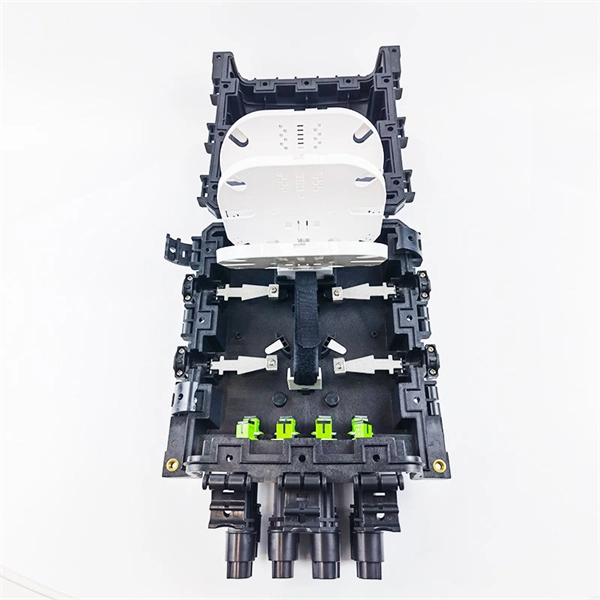
The installation requirements for the distribution box
PDF file
TECHNICAL SPECIFICATION FOR OUTDOOR TYPE
All routine, acceptable & type tests shall be carried out in accordance with the relevant IS/IEC. All routine/acceptance tests shall be witnessed by the Purchaser/his authorized representative.
Design requirements and standards for low voltage distribution boxes
You must always check the voltage and current ratings before choosing a low voltage distribution box. These ratings tell you how much power the box can safely handle.
A GUIDE TO INGRESS PROTECTION RATINGS FOR OUTDOOR
It defines degrees of protection from undesirable ingress provided by enclosures for low voltage electrical equipment with a rated voltage not exceeding 72.5 kV.
TECHNICAL SPECIFICATION FOR OUTDOOR TYPE
The box shall be provided with an Aluminium Earth bus at the bottom, suitable for the rated short time current of the box. The earth bus shall provide Earthing to all the components inside the pillar and
NEC Code Requirements for Outdoor Electrical Wiring: Voltage
NEC code outdoor electrical wiring requirements cover everything from proper wire gauge selection and voltage drop calculations to conduit protection standards and weatherproof
Technical Specifications for Outdoor LT Distribution boxes with
They shall be suitable for operation on 433 Volts, 3 Phase, 4 Line, AC 50 cycles systems and required to be installed at the secondary terminals of distribution transformer centers.
Outdoor Switchgear Rain Test Requirements: NEMA 3R, UL 50E, UL
This article explains the rain-test logic behind North American outdoor switchgear cabinets, including Type 3R spray-head testing, outdoor low-voltage and medium-voltage switchgear
Outdoor Electrical Junction Box: Types & NEC Code Requirements 2025
NEC (National Electrical Code) Article 314 provides strict requirements for these installations, and for good reason. This guide breaks down everything homeowners need to know
TECHNICAL SPECIFICATION FOR OUTDOOR TYPE DISTRIBUTION FEEDER PILLAR BOX
1. Scope: This specification covers technical requirements of design, manufacture, testing at manufacturer''s works, packing, forwarding, supply and unloading at store/site and performance of
IEC 61439 Standard Explained: Low Voltage Distribution Box
Low voltage distribution boxes are the silent guardians of modern infrastructure – hidden behind walls and in utility rooms, orchestrating power flow with Swiss-watch precision. Like the
TECHNICAL SPECIFICATION FOR OUTDOOR TYPE DISTRIBUTION
manufacturer''s works, packing, forwarding, supply and unloading at store/site and performance of Plot & Service junction box with all accessories for trouble free and efficient operation.This outdoor Plot &
13 very important type tests of a low voltage switchgear
13 type tests are carried out officially on low voltage assemblies representative of the usual wiring configurations and equipment layouts. These
CE Certification for Distribution Boxes: Key Testing Items and
The Core Testing Checklist Let''s dive into the concrete tests your distribution box must pass. These aren''t abstract concepts – they''re practical, lab-based evaluations that simulate years of
Tests and test methods according to IEC-/EN-Standard
Junction Boxes Cavity Wall and Trunking Boxes Electrical Functional Integrity Small distribution boards Socket Distribution Boards and Enclosures Meter Enclosures and Distributors Concrete installation
Standards Organization Summary and Directory; NEMA UL and CSA
For example, UL and CSA test requirements specify that an enclosure fails the water-tight test if even a single drop of water enters the enclosure. In the IEC standards for each level of ingress protection
Technical Requirements for Distribution Box in Electrical
Different industries, different products have different technical requirements, in the electrical industry, distribution boxes, distribution boxs are no exception,
Power Distribution Boxes: A Complete Overview
Low-Voltage Power Distribution Boxes: These PDBs distribute low-voltage power to various circuits, commonly found in residential and small business settings
1910.304
Outside conductors, 600 volts, nominal, or less. The following requirements apply to branch-circuit, feeder, and service conductors rated 600 volts, nominal, or less and run outdoors as open conductors.