
Wavelength Conversion At The Hybrid Pon System
Search optical fiber, connectivity, cable management and network infrastructure references.
- Wavelength
- Conversion
- Hybrid
Articles and technical references
11 on this page-
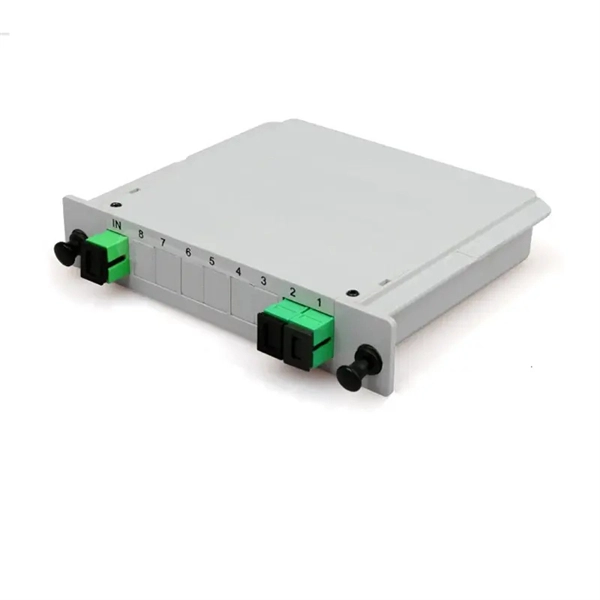
PON gigabit optical module wavelength
Wavelengths range from 1290 - 1330 nm in the upstream direction and from 1480 - 1500 nm in the downstream direction. Data is broadcast in the downstream direction, and in the upstream direction data is burst in TDMA mode (based on timeslots). Supports point-to-multipoint...
[PDF Version]
-
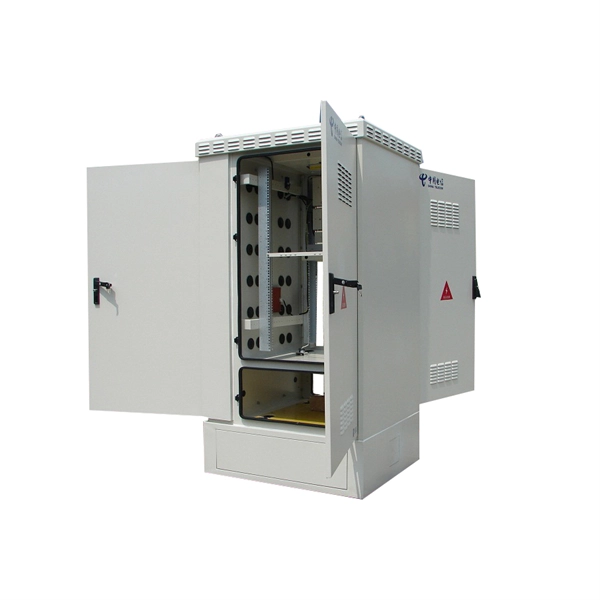
Wavelength Division Multiplexing Conversion Disk
Each wavelength-converting transponder receives an optical data signal from the client layer, such as SONET/SDH or another type of data signal, converts this signal into the electrical domain, and re-transmits the signal at a specific wavelength using a 1,550 nm band...
[PDF Version]
-
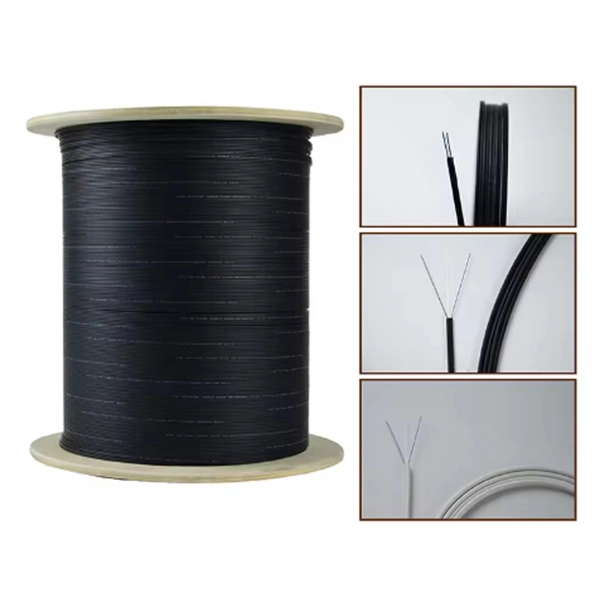
G653 is not suitable for dense wavelength division multiplexing
G653 dispersion is 0 at 1550nm, not suitable for WDM system. Since the Dispersion compensation technology are improved for. In fiber-optic communications, wavelength-division multiplexing (WDM) is a technology which multiplexes a number of optical carrier signals onto a...
-

Optical module access conversion port
The SFP+ port is a high-speed optical-to-optical signal conversion port, mainly used for 10G Ethernet and Fiber Channel network applications. A key advantage of SFP+ Modules is that they are "hot-swappable", meaning they can be swapped out while the router is still powered...
-
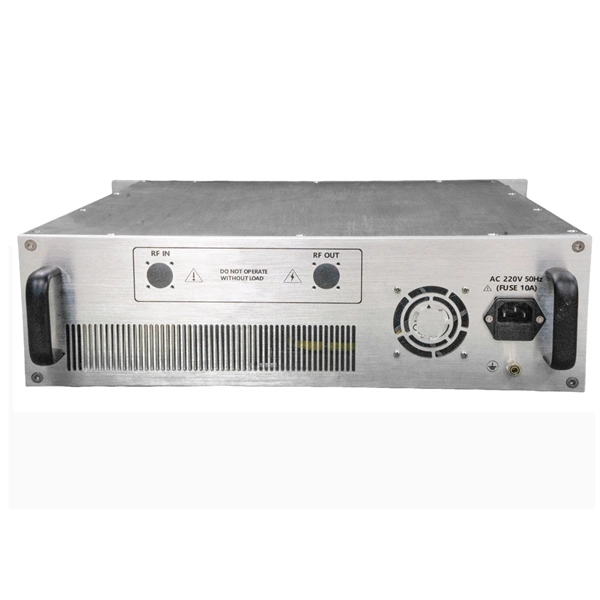
The switch uses a PON optical module
The PON technology is based on the ITU-T G. PON transmits Ethernet, Asynchronous Transfer Mode (ATM), and Time Division Multiplexing (TDM) traffic. It consists of mainly two active transmission equipments, Optical Line Terminal (OLT) and Optical Network. A passive optical...
[PDF Version]
-
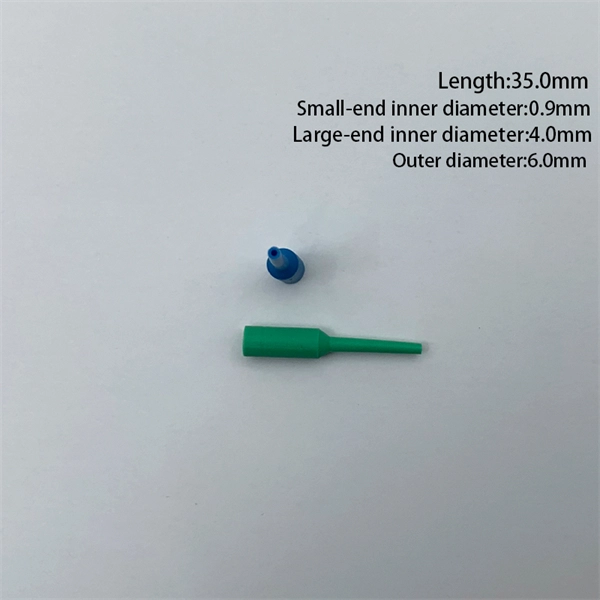
What does CWDM Central Wavelength Division Multiplexer mean
The acronym stands for Coarse Wavelength Division Multiplexing. As the name states, it is a form of multiplexed fiber optics, so CWDM networks can send simultaneous, two-way communication. In fiber-optic communications, wavelength-division multiplexing (WDM) is a technology...
[PDF Version]
-

Huijue Wavelength Division Multiplexing
In fiber-optic communications, wavelength-division multiplexing (WDM) is a technology which multiplexes a number of optical carrier signals onto a single optical fiber by using different wavelengths (i.e., colors) of laser light. This technique enables bidirectional...
[PDF Version]
-
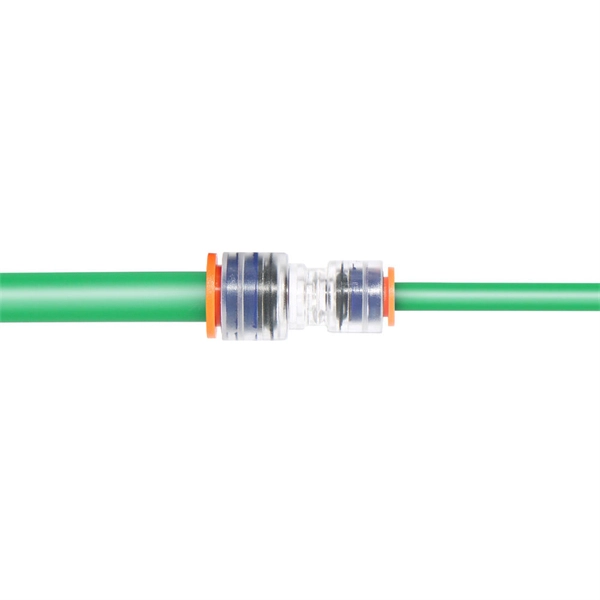
Single-mode fiber optic Ethernet conversion module
This kit includes a pair of media converters, SFP transceivers, and US power adapters (enclose free EU plugs), enables fast and handy integration of fiber and copper. Serve 1000Mbps gigabit bandwidth fast network speed over single-mode LC fiber, ensuring smooth data...
[PDF Version]
-
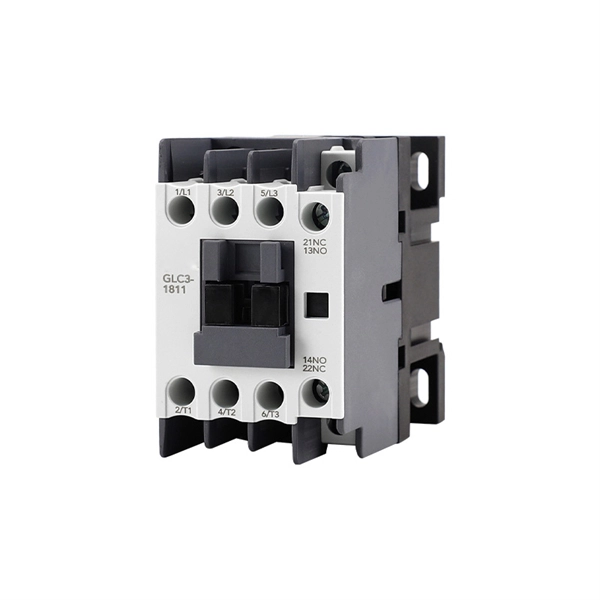
Advantages of Wavelength Division Multiplexing Reduced Power
CWDM Advantages: · Cost-Effectiveness: Lower upfront costs for hardware and installation. The problem arises when the demand for bandwidth in a fiber optic network exceeds the current capacity, WDM helps in expanding the capacity of a fiber optic network without requiring...
[PDF Version]
-

Fiber optic convergence wavelength division multiplexing
Wavelength division multiplexing (WDM) is a technology for increasing the transmission capacity of optical fiber communications by sending multiple data channels simultaneously through a single fiber, each on a different wavelength of light. This technique enables...
-
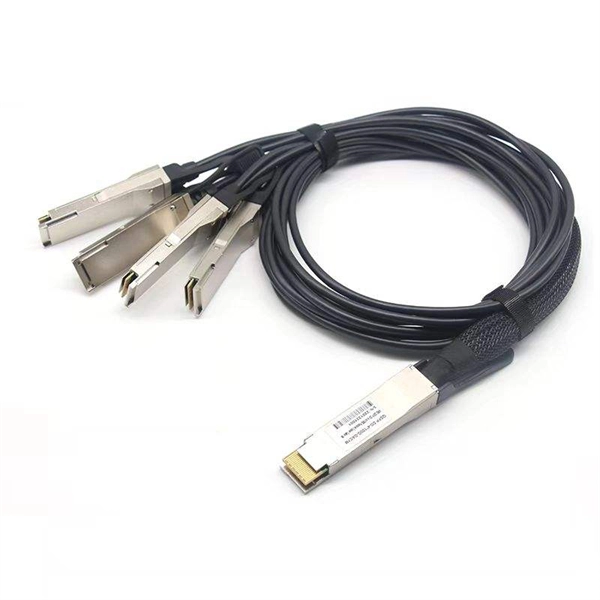
High-temperature resistant hybrid optical and electrical cables for backbone networks
Explore optoelectronic composite cables—hybrid fiber optic and power cables engineered for efficient data and energy transmission. Learn about types, applications, technical specs, and their role in industrial, offshore, and smart infrastructure systems. Extremely...
[PDF Version]