
What is the purpose of a cable grommet?
A cable grommet typically is a round edged ring inserted into a panel hole to protect pass through cables from chafing and abrasion as well as from...
Search optical fiber, connectivity, cable management and network infrastructure references.
Tray cables (TC) are multi-conductor cables designed and rated for installation in cable trays and raceways or supported by messenger wires. Its construction typically includes a robust overall jacket that protects the insulated conductors within. Quote the wrong type and...
The main types of accessories are categorized by their function: Fittings change the path or size of the run, including Elbows (for horizontal or vertical direction changes), Tees and Crosses (for multi-directional junctions), and Reducers (to transition between different...
[PDF Version]
This guide covers the critical steps, from selecting the right electrical cable tray and performing accurate cable fill calculations to managing a safe cable pull through and ensuring all bonding and grounding requirements are met. But before you lay the first tray or clamp...
[PDF Version]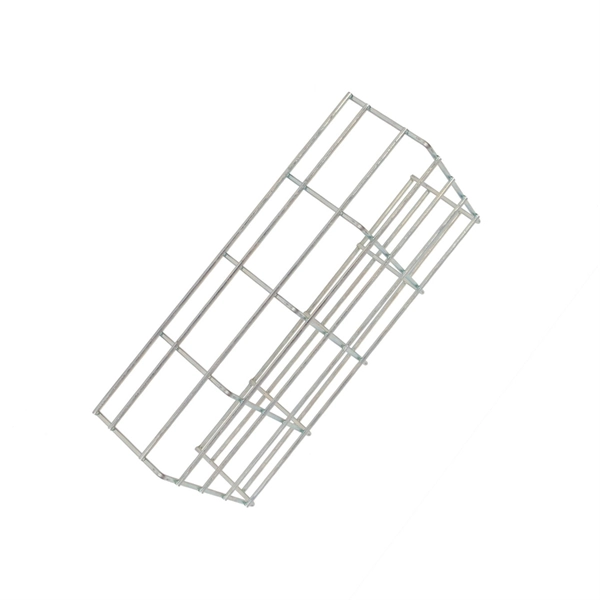
Firestopping Requirements for Cable Trays and Sealing shall be tight and reliable, without visible cracks or voids. For large openings, install a fire-resi.
[PDF Version]A cable grommet typically is a round edged ring inserted into a panel hole to protect pass through cables from chafing and abrasion as well as from...
An open cable grommet is simply pushed through the panel hole by hand until it snaps firmly in place. The flexible material allows the grommet to b...
Choosing the right grommet is requiring 3 basic dimensions . Your cable diameter, the diameter of the panel hole and the panel thickness. FH dimens...
The technological features of modern cable trays include corrosion-resistant materials such as galvanized steel, stainless steel, aluminum, and fiberglass-reinforced plastic. Advanced coating technologies enhance durability and extend service life in harsh environments. Cable...
[PDF Version]
Select tray materials and finishes that match the hazard: hot‑dip galvanised steel or stainless for durability; aluminium for lighter loads; FRP for corrosive plants. Pair trays with low‑smoke, halogen‑free cables in occupant areas to reduce toxic fumes. Poorly chosen or...
[PDF Version]
This article provides a comprehensive framework that governs various aspects of cable tray installations, including the types of cables that are deemed acceptable for use, requirements for grounding and bonding, and stipulations regarding tray fill capacity. However, any...
[PDF Version]
In this step-by-step guide to cable tray divider installation, we will cover the pre-installation checklist, the installation process, and specific considerations for connecting dividers to cable ladder. Welcome to our step-by-step guide on installing cable trays! In this...
[PDF Version]
Common tray width sizes are 100mm, 150mm, 200mm, 300mm, and 400mm. Specific sizes should be chosen according to project requirements. For tightly arranged cables, a deeper tray. In practice, cable tray dimensions are a system of interrelated measurements —width, depth...
[PDF Version]Share the fiber interfaces, termination capacity, cable route and evidence required for handover.