
What Are Electrical Busbars Types Components And Their Applications
Search optical fiber, connectivity, cable management and network infrastructure references.
- Electrical
- Busbars
- Types
Articles and technical references
10 on this page-
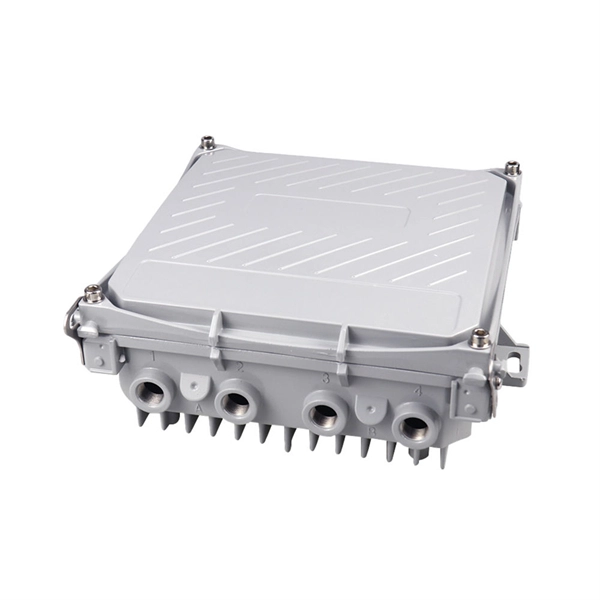
What types of electrical distribution boxes must be covered with protective panels
The National Electrical Code (NEC) provides comprehensive safety standards for electrical installations, including requirements for electrical panels (main service panels and subpanels or breaker box). Switchboards and panelboards are often called “the guts” of a premises...
-
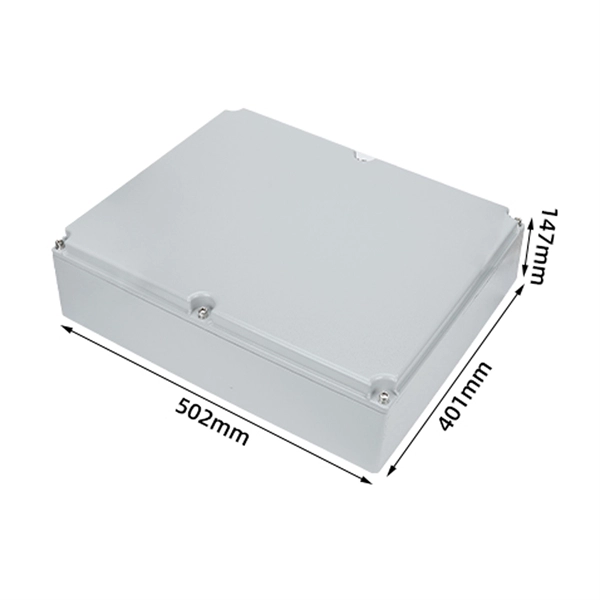
What are small busbars and mains wires in secondary wiring
Main and branch bus sections distribute power between incoming, tie, and outgoing breakers. Here, we provide an overview of common substation busbar configurations—Single Bus, Main and Transfer, Double Breaker/Double Bus, Ring Bus/Ring Main, and Breaker and a Half. Designing...
[PDF Version]
-
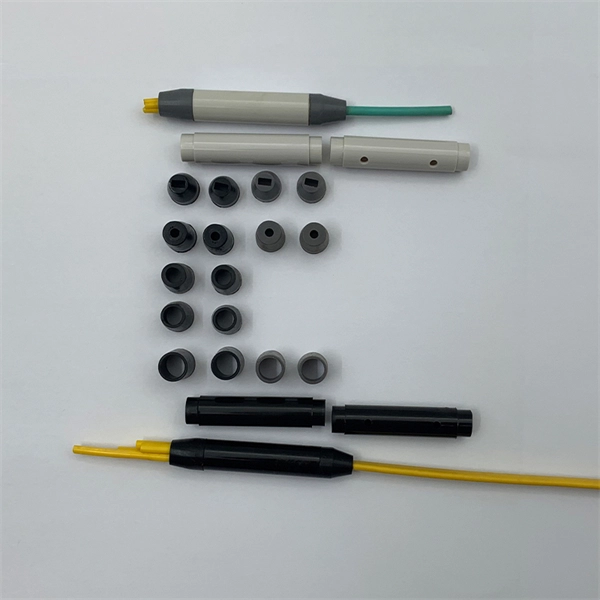
What are the components of a mobile fiber optic distribution box
A fiber distribution box (FDB) is a passive enclosure that provides secure splicing, termination, and distribution of optical fibers. They function as junction points that manage, protect, terminate, and distribute fiber optic cables, ensuring efficient data transmission...
-
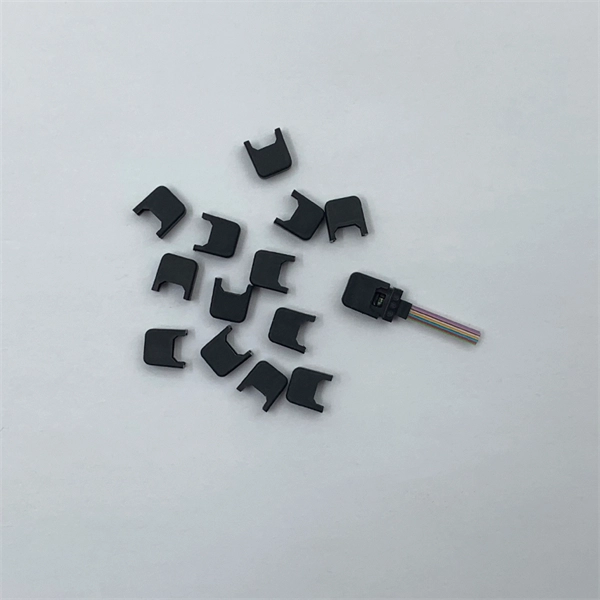
What is an electrical well cable tray
An electrical cable tray is a type of containment system used to support insulated electrical cables for power distribution, control, and communication. Unlike conduit systems, cable trays allow cables to be laid in bundles, improving accessibility, heat. -piece tray...
[PDF Version]
-
What other types of cable trays are good besides galvanized cable trays
The technological features of modern cable trays include corrosion-resistant materials such as galvanized steel, stainless steel, aluminum, and fiberglass-reinforced plastic. Advanced coating technologies enhance durability and extend service life in harsh environments. Cable...
[PDF Version]
-
What is the standard height for outdoor electrical distribution box guardrails
7 meters) high makes it easily accessible without the need to bend or stretch excessively. (a) A standard guardrail shall consist of top rail, midrail or equivalent protection, and posts, and shall have a vertical height within the range of 42 inches to 45 inches from the...
[PDF Version]
-
Electrical spacing requirements for high-voltage busbars
Spacings between Busbars: The spacings between busbars are critical to prevent electrical shock and ensure safe operation. These busbars are not merely simple current conductors; they serve as the strategic backbone, interconnecting various components within the. The IEC...
[PDF Version]
-
Several types of cable trays designed for building electrical systems
Cable trays support insulated electrical cables in industrial and commercial settings. There are several types of cable trays, including ladder, perforated, solid bottom, basket, and channel trays. Far superior to traditional conduit in many applications, cable tray systems...
-
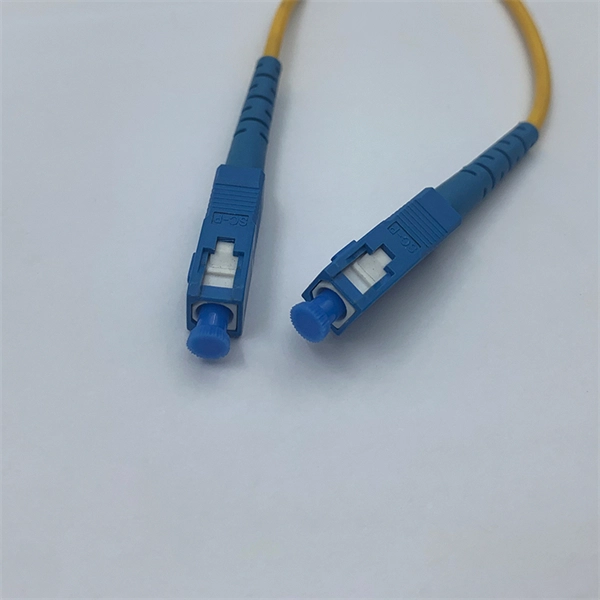
What equipment should be installed in a household electrical distribution box
(see Fig. Q5) The consumer is allowed to operate this circuit breaker or switch if necessary (e.g. to reclose it if the circuit breaker has tripped due to current consumption exceeded the authorized limit, to op.
-
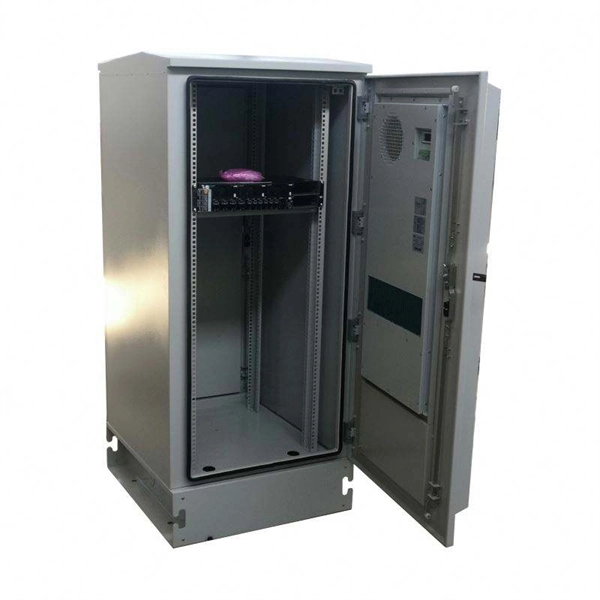
What size socket should the company s electrical distribution box use
Here we describe matching 15-Amp receptacles to 15-Amp circuits, 20-Amp receptacles to 20-Amp circuits, two-wire receptacles where no ground is present, GFCI and AFCI electrical receptacles, and the proper electrical box to hold and mount these devices. Industrial plugs...