
Technical notes
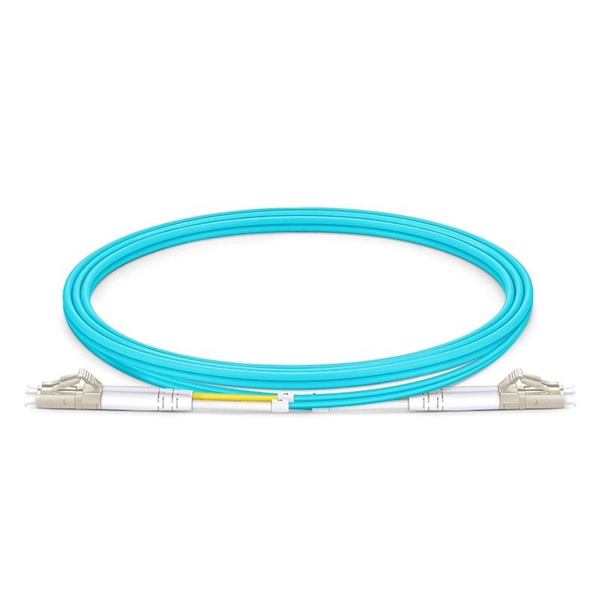
Types of Optical Fibers: Single-Mode vs. Multimode, Applications and
Understanding the differences between single-mode, multimode, and specialty optical fibers, along with their manufacturing constraints and emerging applications, is essential for
Single Mode vs Multimode Fiber Cable
Multimode fiber cables are the type of fiber cables that transmit data via their core of larger diameters enable an average, single-mode transceiver multiple modes of light to propagate
Single Mode vs. Multimode Fiber: Core Differences and Selection Guide
Single mode fiber typically has a core diameter of about 9 µm, which allows only one mode of light to propagate. In contrast, multimode fiber has a larger core, usually 50 µm or 62.5 µm,
What Are Fiber Modes? Single-Mode vs. Multi-Mode
The definitive guide to fiber modes. See how core size determines light path, bandwidth, distance limits, and cost in modern optics.
Single Mode vs Multimode Fiber, What is The Difference?
Learn the key differences between single mode vs multimode fiber cables and choose the right one for your fiber optic system.
Singlemode vs Multimode Fiber Optic Cable
We breakdown the differences between single mode and multimode fiber optic cable, covering aspects like physical structure, bandwidth over distance, and typical integration in networks.
Multimode vs Single Mode Fiber Optic Cables: A Complete Guide to
Learn the differences between multimode (OM1-OM5) and single mode (OS1-OS2) fiber optic cables—speed, distance, applications, and how to choose the right one for data centers and
Single-Mode vs Multimode Fiber Optic Cables: A Comprehensive
Compare Single Mode vs Multimode fiber optic cables. Expert analysis on distance, bandwidth, 800G compatibility, and TCO for modern network infrastructure.
Single Mode and Multimode Fiber: What''s the Difference?
Learn more about Single Mode and Multimode Optical Fibers - their design, key differences, and intended fiber optic systems applications.
Single Mode vs Multimode Fiber: A Complete Comparison Guide
Understand the difference between fibers: single mode offers long-distance, high bandwidth, while multimode suits short runs and lower costs.
Single & Multimode Fiber Optic Cable: What''s the
As a result, fiber optics are extensively used in internet services, telecom, and enterprise data center networks. Many critical decisions come into
Understanding the Difference Between Single Mode vs
A: Single mode and multimode fiber optic cables are two different types of optical fibers used for transmitting data. The main difference between
What Is Optical Fiber? Single-Mode vs. Multimode Fibers Explained
Conclusion Optical fiber technology has transformed the way we communicate and connect with the world. Understanding the differences between single-mode and multimode fibers
Singlemode Fiber vs. Multimode Fiber – What is the
Do you know the difference between singlemode fiber optic cables and multimode fiber optic cables? We''ve heard this question asked so often that we decided to
Single Mode vs Multimode Fiber Explained | TRG
Understand the difference between single mode and multimode fiber, including performance, cost, and use cases, to choose the right fiber for your network.
Single Mode vs Multimode Fiber: What''s the Difference?
Learn the differences between single mode fiber and multimode fiber. Explore applications, pros, cons, and when to use single mode optical fiber or multimode fiber cable for your network.
Difference Between Single-mode and Multimode Optical Fiber
The major difference single-mode and multimode optical fiber is that in single-mode optical fiber light ray propagates only through a single path. On the contrary, in multimode optical fiber several light rays
Singlemode vs. Multimode Fiber Optics: Which is Better for You
Multimode fiber is commonly used in LANs, campus networks, and data centers where distances are short, and high bandwidth is required. Singlemode fiber optic cables have a much
Related Video Reference
This video was associated with the source search result. Verify technical details against current product documentation and project requirements.