
Technical notes
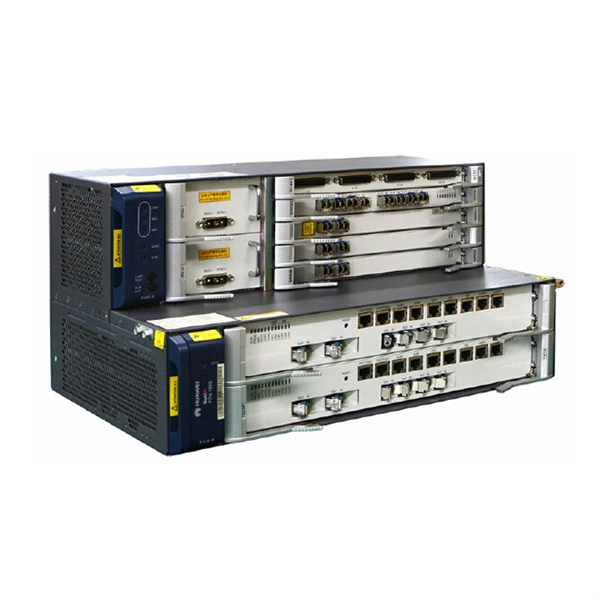
Understanding Primary, Secondary, and Tertiary Distribution Boxes
A secondary distribution box, also known as a sub-distribution panel, generally supplies power to a specific area. It is designed with inner and outer doors, features a sprayed plastic exterior for safety
The Meaning and Function of Primary, Secondary, and Tertiary
From there, it is routed to individual building distribution boxes (secondary distribution boxes), which subsequently supply power to unit-level distribution boxes (tertiary distribution boxes), and finally to
Primary and secondary power distribution systems (layouts explained)
Secondary distribution boxes, also known as sub-distribution boxes, generally serve specific power supply areas. These boxes have inner and outer doors, powder-coated exteriors, and
What are Primary, Secondary, and Tertiary Distribution Boxes?
A secondary distribution box, also known as a sub-distribution panel, generally supplies power to a specific area. It is designed with inner and outer doors, features a sprayed plastic exterior
The difference between the first,second,and third levels of
Secondary distribution box: distribution boxes for each floor or building (according to actual conditions); Third level distribution box: refers to the final junction box of each electrical
What are the primary, secondary and tertiary distribution boxes?
Primary distribution box: three-phase power supply, ground wire and zero wire are introduced from the transformer. Secondary distribution box: from the power line of primary distribution box to temporary
The Primary and Secondary distribution in electrical systems
Understanding the fundamental distinction between Primary and Secondary distribution in electrical systems is pivotal for designing efficient and reliable electrical distribution systems tailored
Primary vs. Secondary Distribution: What Are The Key Differences
Secondary distribution refers to the systems that manage the delivery of power from primary distribution units to end-users. These systems operate at lower voltage levels, typically
Distribution Box Guide: Types, Components & Solutions
It acts as a protective enclosure that houses several key components, such as circuit breakers, fuses, and bus bars. These components work together to prevent electrical faults, such as
The Primary and Secondary distribution in electrical systems
Power Distribution and Digital Support Join experts & peers to learn, share and engage about the key trends of electrical distribution around safety, availability, efficiency and connectivity,
AC Distribution System | Primary distribution | Secondary
The AC Distribution System is classified into Primary distribution system and Secondary distribution system. 1.Primary distribution system: It is that part of AC Distribution System which operates at
Differences between primary and secondary distribution
This article will clarify frequently misunderstood words among novice engineers: primary and secondary systems, equipment and configurations.
What Is a Distribution Box?
What to Look for When Choosing a Distribution Box If you''re going to buy a distribution box, there are several things you should look for. You should choose a distribution box that''s made of
Primary vs. Secondary Distribution: What Are The Key Differences
Understand the critical distinctions between primary (11kV-33kV) and secondary (400V-1kV) distribution systems, including equipment, protection schemes, and application scenarios.
Understanding Primary, Secondary, and Tertiary Distribution Boxes
A tertiary distribution box refers to a switch box, which is responsible for supplying power to only one device. What do primary, secondary, and tertiary distribution boxes mean? This is a relative concept.
Secondary Distribution Box
6a0d6022-9e51-481d-b5f5-bb72a07ca7c1 The Secondary Distribution Box (SDB) receives power from Main Power Distribution box via an extender cable and provides a central power distribution to feed
SECTION 9: ELECTRICAL POWER DISTRIBUTION
3 The Electrical Grid Three main components to the electrical grid Generation ESE 450 Transmission Transmission Subtransmission Distribution Primary distribution Secondary distribution Different
Electric power distribution
A 50 kVA pole-mounted distribution transformer Electric power distribution is the final stage in the delivery of electricity. Electricity is carried from the transmission