
Technical notes
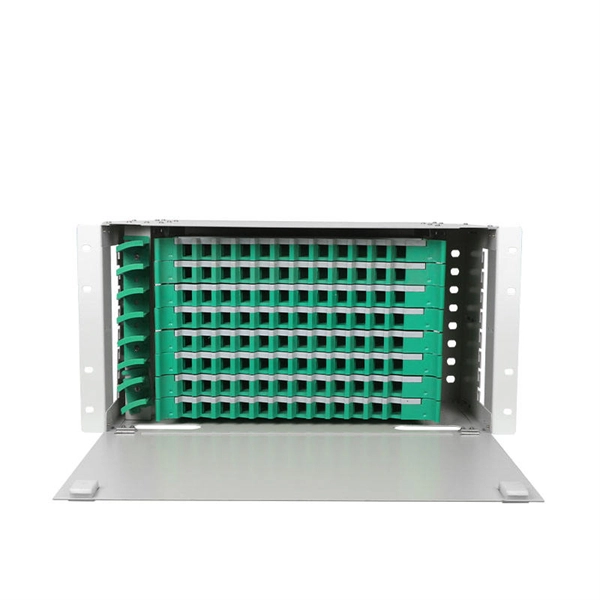
LC Fiber Optics: Guide to LC Connectors, ULL Cables,
LC (Lucent Connector) is the world''s dominant duplex optical interface, used across enterprise networks, telecom infrastructure, and especially
Differences Between ST, SC, FC, and LC Fiber
Conclusion ST, SC, FC, and LC connectors remain the backbone of fiber optic networking. Each has its ideal application: ST → simple, legacy use.
LC Fiber Optics: A Comprehensive Guide
What Does “LC” Mean in Fiber Optics? LC stands for Lucent Connector (also colloquially “Little Connector”). It was introduced by Lucent Technologies to deliver small form factor (SFF) optical
Fiber Optic Cable Assembly Guide | LC, SC & ST Connectors Explained
LC is the de facto standard for SFP/SFP+ and QSFP breakout connections because it supports duplex channels in a
LC Fiber Optics: A Comprehensive Guide
LC stands for a type of optical connector of which the full name is Lucent Connector. It comes with the name because the LC connector was first developed by Lucent Technologies (Alcatel
SFP Fiber Optic Connector Types: LC, SC, MPO Explained
LC is the default and most widely used fiber optic connector for SFP modules due to its small size and broad compatibility. It is designed specifically to support high port density without compromising
LC vs SC vs FC vs ST: A Complete Fiber Optic Connector Guide
Of the more than a dozen types of fibre-optic connectors available, the four most commonly used today are LC, SC, FC, and ST. In addition to serving the same general function, the
SFP LC Connector: Everything You Need to Know
The SFP LC connector is a necessary part of fiber optic communication, used in switches, routers, and transceivers among other networking hardware. It allows fast data transfer
LC vs SC SFP Module: Key Differences & 2025 Buying Guide
The LC (Lucent Connector) is the dominant interface for modern networking. It features a 1.25 mm ferrule, which is half the size of the older SC connector. High Density: Because of its small footprint,
Fiber Connector Types
LC vs SC Connection Handling - LC connector features with latch structure and designs with a locking tab to secure the cable, whereas SC features with push-pull structure and locks in
Comparing SC and LC Fibre Optic Connectors
Comparing SC and LC Fibre Optic Connectors Share This Post The two most common fibre optic connectors in use today are SC and LC connectors. While
Fiber Optic Connector Types Explained | FiberCablesDirect
What is a Fiber Optic Connector? Fiber optic connectors are an essential component of any fiber optic network, allowing for the connection and transmission of optical signals between devices. But with so
Fiber Optic Cable Assembly Guide | LC, SC & ST
Key Takeaways Fiber optic cable assembly quality hinges on selecting the right connector type—most commonly LC, SC, or ST—to match
The Meaning of LC in SFP Optical Modules
The LC (Lucent Connector) interface in SFP optical modules is a compact, high-performance solution for modern networking needs. Its advantages in terms of size, performance, ease of installation,
LC Fiber Connectors: What They Are and Why You Probably
If you''ve spent any time working with fiber optic networking in data centers, telecom closets, or enterprise switching environments you''ve almost certainly encountered an LC fiber connector. Small,
Understanding LC Connectors: The Cornerstone of Fiber Optic Networks
LC connectors are a key component of modern fiber optic networks. Their combination of compact design, high performance, and ease of use makes them an essential choice for anyone
LC Fiber Optics: A Comprehensive Guide – TURNSTONE CABLES
Get practical insights into LC fiber optics, connectors, patch cables, and transceivers with clear details, real examples, and helpful product guidance.
LC vs SC Fiber Connectors: Key Differences and
Fiber optic networks rely on connectors to ensure seamless communication and reliable performance. Among the most common connectors
Related Video Reference
This video was associated with the source search result. Verify technical details against current product documentation and project requirements.