
What is inter-VLAN routing?
You can forward traffic from one virtual LAN to another and this technique is called inter-VLAN routing.
Search optical fiber, connectivity, cable management and network infrastructure references.
From experience, two monitoring techniques stand out for getting the job done: SNMP (Simple Network Management Protocol) and Network Performance Monitoring (NPM) solutions. What is a Core Switch? A core switch is the primary switch installed at the backbone of a layered or...
[PDF Version]
This document provides a sample configuration for Inter VLAN routing with a Catalyst 3850 series switch in a typical network scenario. The document uses two Catalyst 4500 series switch as Layer 2 (L2) s.
[PDF Version]You can forward traffic from one virtual LAN to another and this technique is called inter-VLAN routing.
VLANs can be used to enforce security, creating different zones of security levels for different users or applications. However, in many cases, it...
There are three types of inter-VLAN routing and these are: Legacy Inter-VLAN routing Uses a router with several Ethernet sockets, linking each to a...
Core switches are the focal point for traffic control between access and distribution switches. They perform a vital function in ensuring the network's reliability and stability because they are in charge of routing data across the network infrastructure in a reliable and...
[PDF Version]
Understanding the Core Switch: Key Differences and UsesCore switches are critical components of the data center network. They facilitate high-speed data tr.
[PDF Version]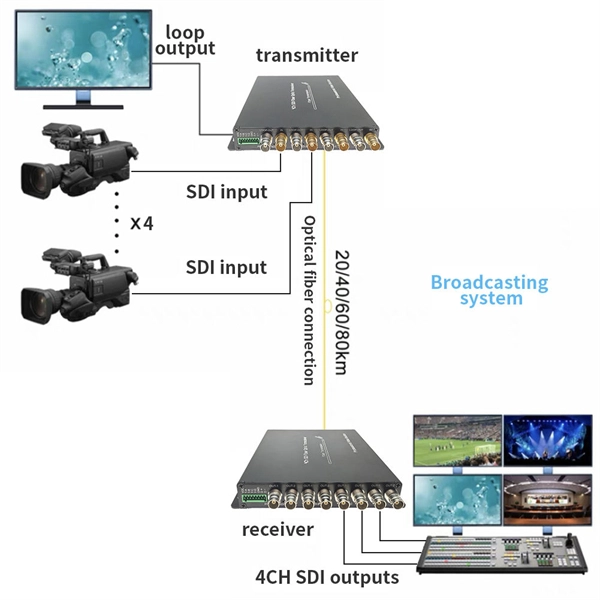
The high reliability and redundancy design of Core Switches, including redundant power supplies, redundant interfaces, link aggregation, and hot-swap capabilities, ensures network continuity and high availability, thereby guaranteeing stable data center operations. In the...
[PDF Version]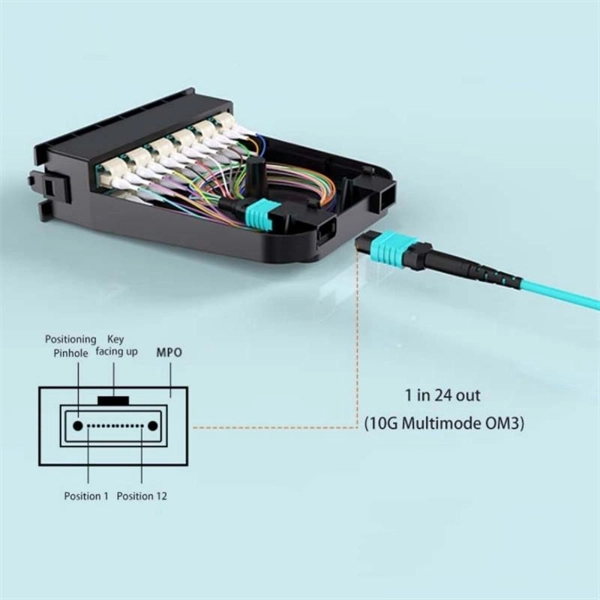
An all-optical Ethernet switch is a network switch whose service ports are entirely optical, meaning every interface uses fiber rather than copper. This design enables end-to-end optical signal transmission, avoiding the conversion between electrical and optical signals at...
[PDF Version]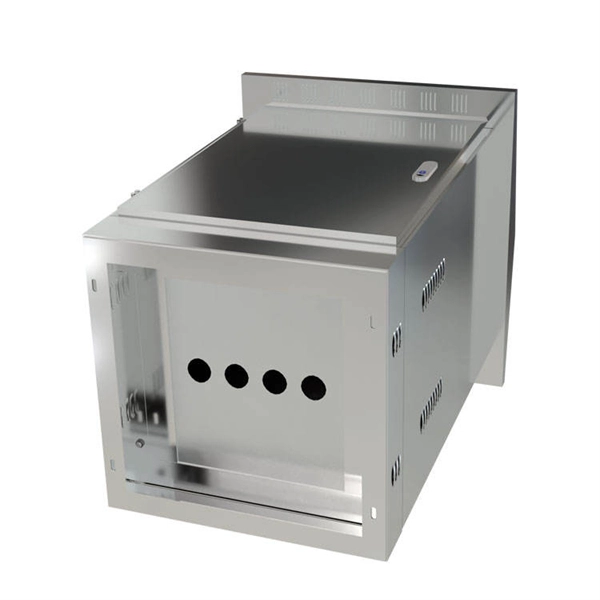
The L3-10XGF12 series supports flexible gigabit access and scalability of high-density 10G ports. All models provide fixed 10G fiber ports, With high switching capacity, the L3-10XGF12 support wire-speed L2/L3 forwarding and high routing performance for IPv4 and IPv6...
[PDF Version]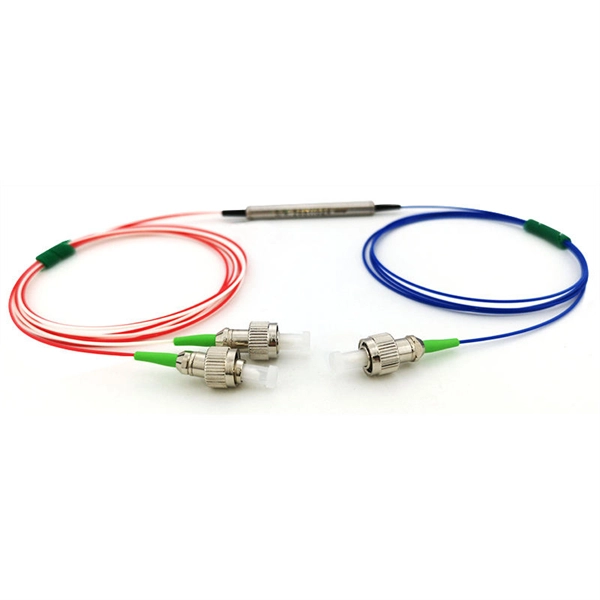
Optical splitters are also called fiber optic splitters. They split one light signal into many outputs. These devices do not need power or. A fiber optic splitter is a passive optical component that divides a single incoming optical signal into two or more outgoing signals...
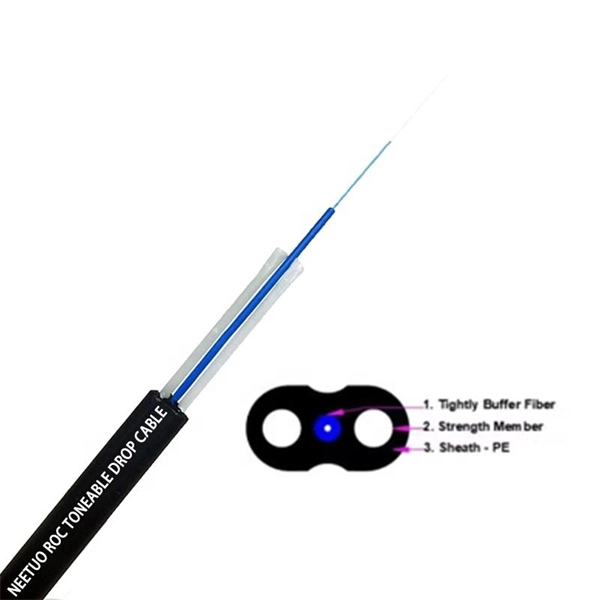
Cable tray systems are frameworks designed to support and organize network cables. They help keep cables off the ground, prevent tangling, and improve accessibility for maintenance or future upgrades. It acts as a dedicated pathway for power distribution and data...
Share the fiber interfaces, termination capacity, cable route and evidence required for handover.