
How can one identify a broken fiber optic cable?
To identify a broken fiber optic cable, start by performing a visual inspection for any physical signs of damage, such as bends, cracks, or breaks...
Search optical fiber, connectivity, cable management and network infrastructure references.
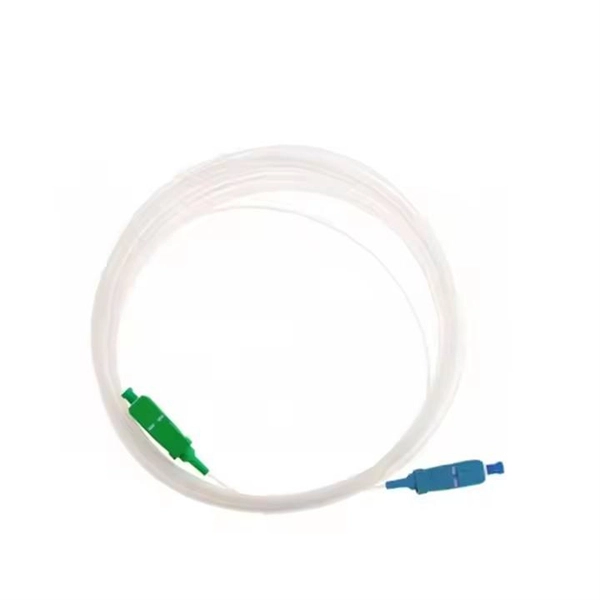
Most residential jobs finish within a few hours. Larger business projects might span several weeks. We want to clear up the confusion around these schedules. Every building has unique needs. Some homes have existing conduits ready for use, while other properties require new...
[PDF Version]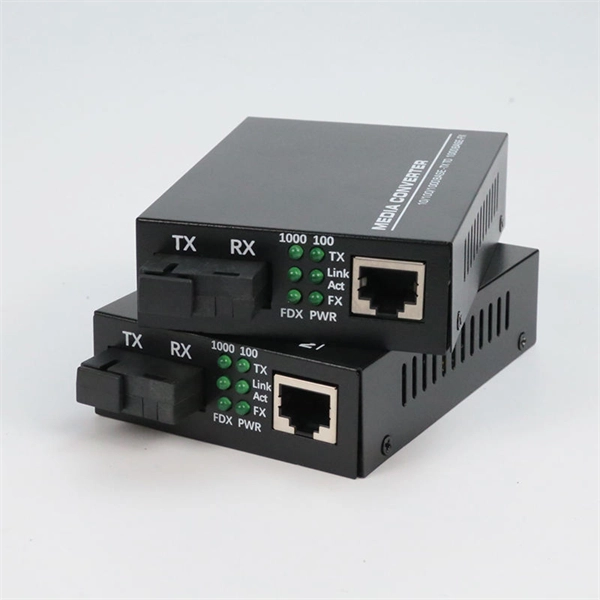
Loose tube cables are the most widely used cables for outside plant trunks because it offers the best protection for the fibers under high pulling tensions and can be easily protected from moisture with water-blocking gel or tapes. These cables are composed of several fibers...
[PDF Version]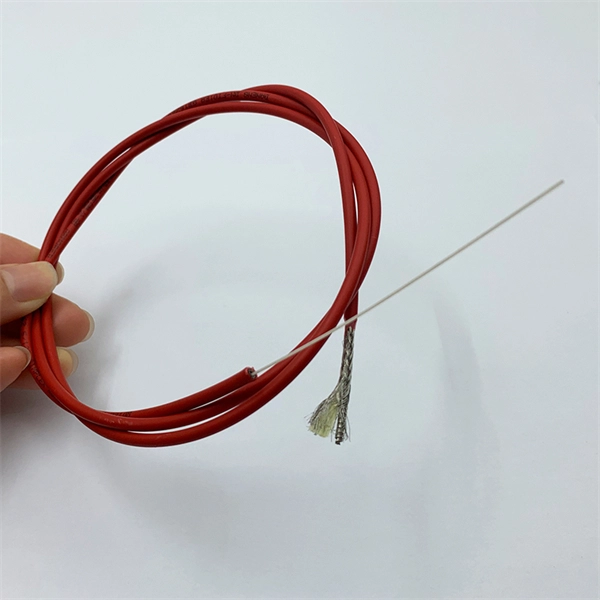
Home and business fiber optics projects typically range from a few hundred to several thousand dollars, depending on run length, fiber type, and labor needs. The main cost drivers are materials, installation time, and environmental factors that affect trenching, conduit, and...
They can weigh between 60 to 200 kg per kilometer (39. 7 to 132 pounds per 1000 feet), depending on the design and materials used. However, some general guidelines can provide a rough estimate: Indoor Fiber Optic Cables: These are typically lighter as they require less...
[PDF Version]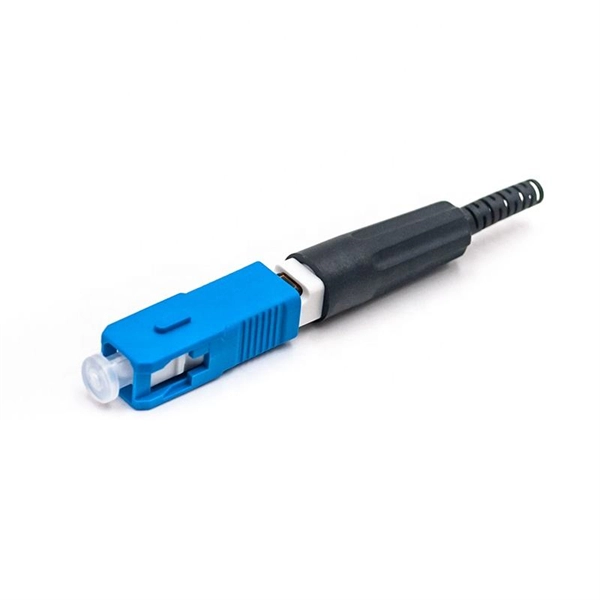
High quality fiber strippers, fiber cleavers, cable slitters, mid-access tools, cable pulling tools and more from 3M, Corning, Ripley Tools, Greenlee, Paladin Tools and more. Fiber optic tools are specialized instruments designed for installing, terminating, splicing...
[PDF Version]
While routers, switches, and transceivers often have upgrade cycles of 3 to 5 years, properly installed and maintained fiber cabling systems can last 15 years or more — spanning multiple hardware generations. Effective lifecycle management of fiber optic cables, from...
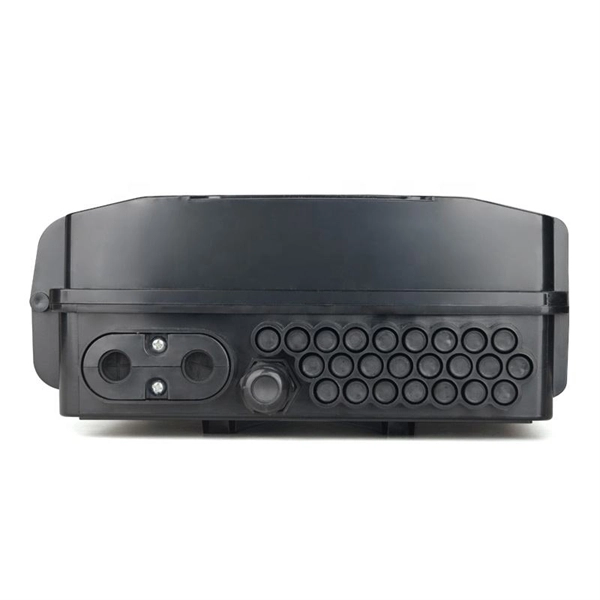
Fiber Optic Troubleshooting Guide: Problems, Tools & SolutionsLearn how to troubleshoot fiber optic cables with common problems, a step-by-step process, es.
[PDF Version]To identify a broken fiber optic cable, start by performing a visual inspection for any physical signs of damage, such as bends, cracks, or breaks...
There are several methods to test fiber optic cables without a tester. One method is using a visual fault locator (VFL), as mentioned earlier, to v...
Intermittent fiber optic connections can be caused by a variety of factors, including: Poorly terminated connectors or splices that result in unsta...
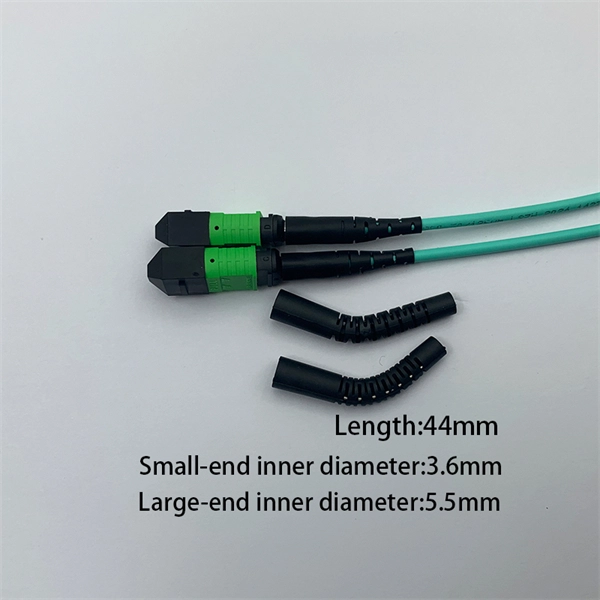
Branch optical cables, also known as distribution optical cables, are used to distribute fiber optic signals from a main cable to individual devices or endpoints. These cables are designed to split the main cable into several smaller cables, each of which is connected to a...
[PDF Version]Share the fiber interfaces, termination capacity, cable route and evidence required for handover.