
What Is A Relay Working Principle Types And
Search optical fiber, connectivity, cable management and network infrastructure references.
- Relay
- Working
- Principle
Articles and technical references
10 on this page-
Working principle of power relay protection
A protective relay operates by continuously monitoring electrical parameters, detecting abnormalities, making decisions, and triggering circuit breakers to isolate faulty sections. This process helps protect equipment, maintain power system stability, and ensure safety for. A...
[PDF Version]
-
What is the working principle of a fiber distribution box
A distribution box serves as a central point for managing and distributing fiber optic cables. This device ensures reliable and efficient connectivity between various network components. Here's how it works: Incoming Distribution Cable: The fiber distribution box receives an...
-
What is the working principle of fiber optic seismic sensors
Principles and Applications of Seismic Monitoring Based on. This paper reviews the principles of the four optical seismic sensors, as well as their appl.
[PDF Version]
-
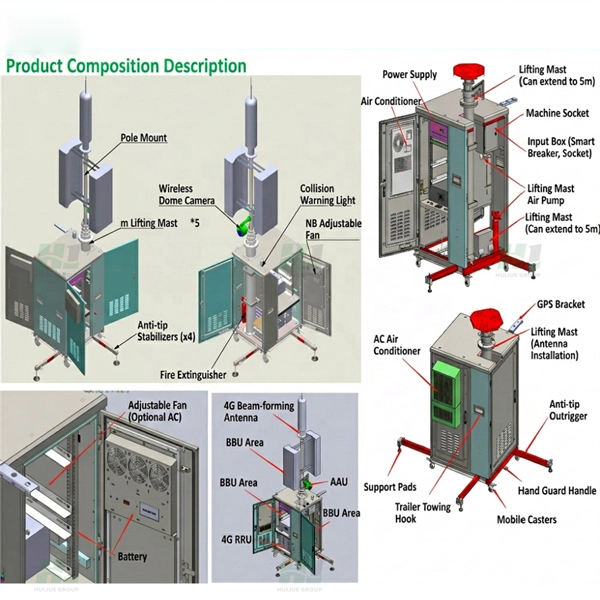
Elevator Relay Protection Working Principle
CIT Relays and Switches for the Elevators, Escalators, and Other Relay Logic: In traditional systems, relays are used to implement control logic for elevat.
[PDF Version]
-
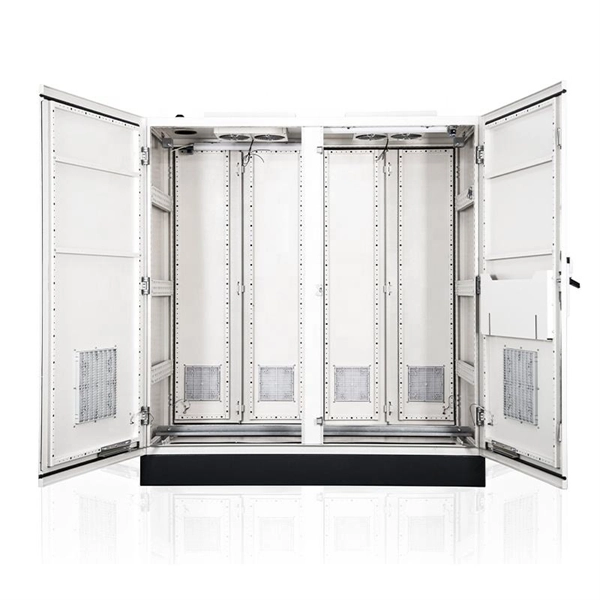
Working principle of relay protection
Protective Relays: Types, Working Principle & UsesWhen the relay determines that a condition exceeds its settings or logic requirements, it sends an output.
[PDF Version]
-
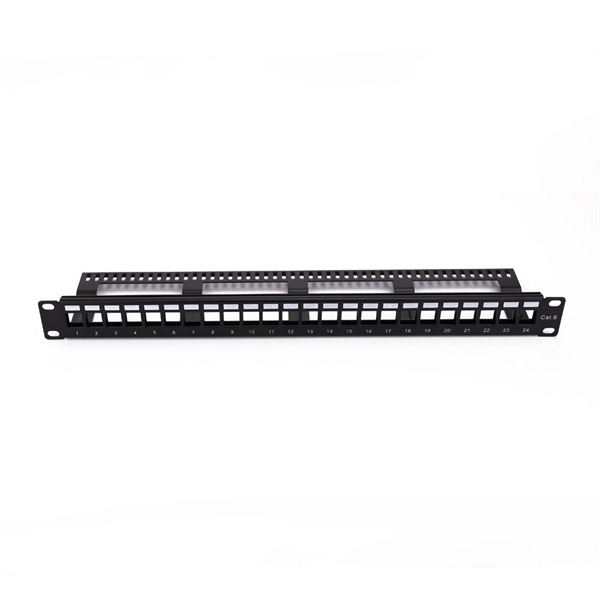
What type of current transformer is used for relay protection
Protection CTs (5P20) feed into numerical protection relays for overcurrent, differential, and earth fault protection. Understanding. How are current transformers used in protection systems for power grids and substations? Current transformers (CTs) are the primary sensing...
-
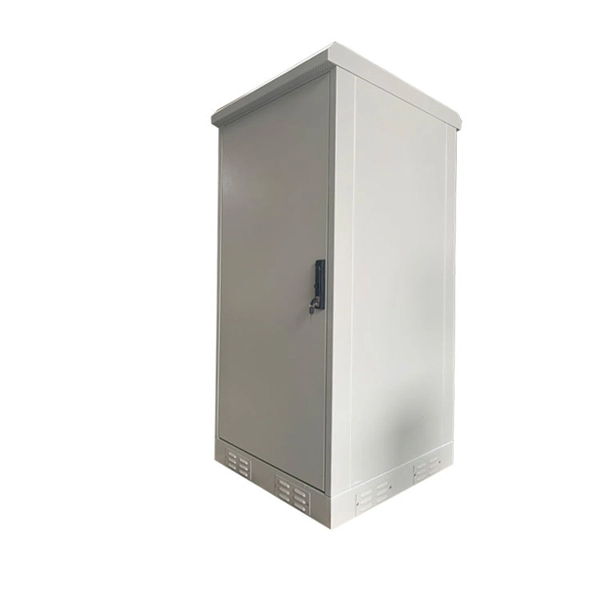
What is a special transformer relay protection device
Transformer protection is a complete system that includes protection relays, monitoring devices, and control mechanisms used to detect abnormal conditions in transformers and disconnect them before damage occurs. Differential Protection (87) The most sensitive protection for...
-
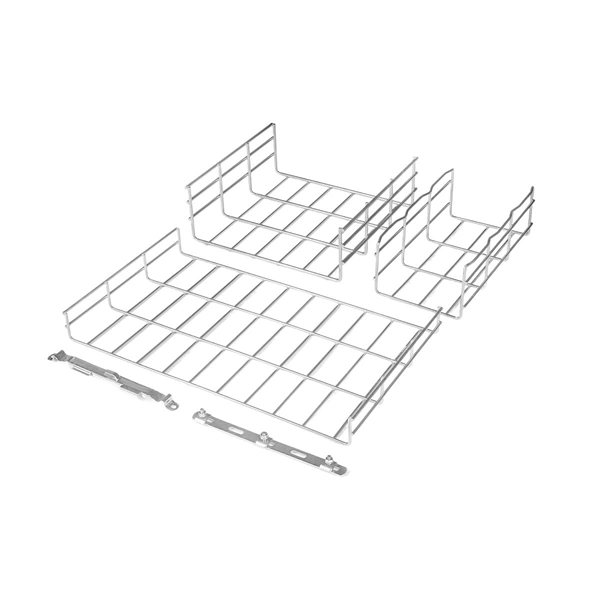
What is the principle behind grounding a distribution box
Grounding is a mechanism to protect distribution equipment and people under normal operating conditions, abnormal operational (overcurrent and overvoltage) responses, and hazardous conditions such as shocks. Your distribution box is mission control for electricity in any...
[PDF Version]
-

What is the principle behind pigtail extension technology
Wire harness pigtails are short extension cords with a connector on one end, matching specific components or harnesses, and loose wires on the other. Whether it's an electrical system in your car, home, or factory, the quality of the connection is essential, and that's where...
-
What other types of cable trays are good besides galvanized cable trays
The technological features of modern cable trays include corrosion-resistant materials such as galvanized steel, stainless steel, aluminum, and fiberglass-reinforced plastic. Advanced coating technologies enhance durability and extend service life in harsh environments. Cable...
[PDF Version]