
What Is An Invisible Connection Cable
Search optical fiber, connectivity, cable management and network infrastructure references.
- Invisible
- Connection
- Cable
Articles and technical references
9 on this page-
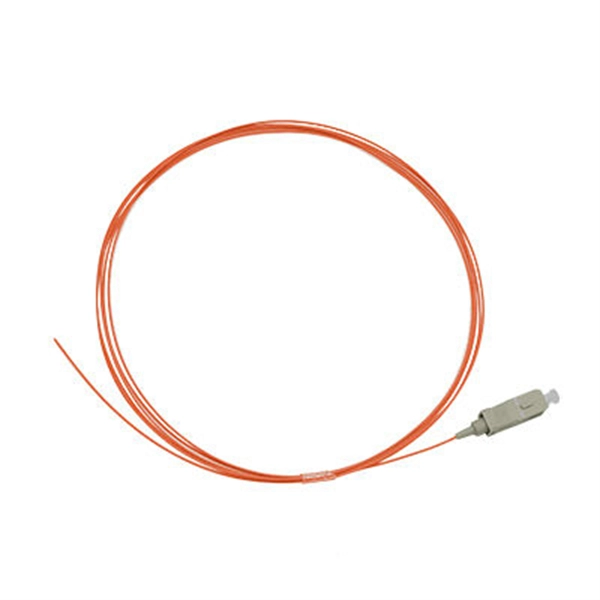
What are the connection accessories for cable trays
The main types of accessories are categorized by their function: Fittings change the path or size of the run, including Elbows (for horizontal or vertical direction changes), Tees and Crosses (for multi-directional junctions), and Reducers (to transition between different...
[PDF Version]
-
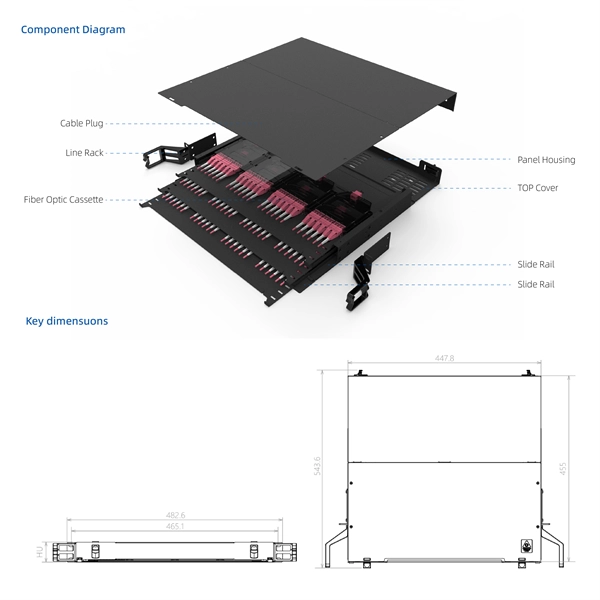
What tools are needed for cable tray connection holes
Tools: Power drill, hammer drill (for concrete), wrench set, measuring tape, level, hacksaw or angle grinder (for cutting trays), and a file (for deburring). - Common tools used for cable tray installation like saws, drills, wrenches, and levels. Electrical Wiring:Types of...
[PDF Version]
-
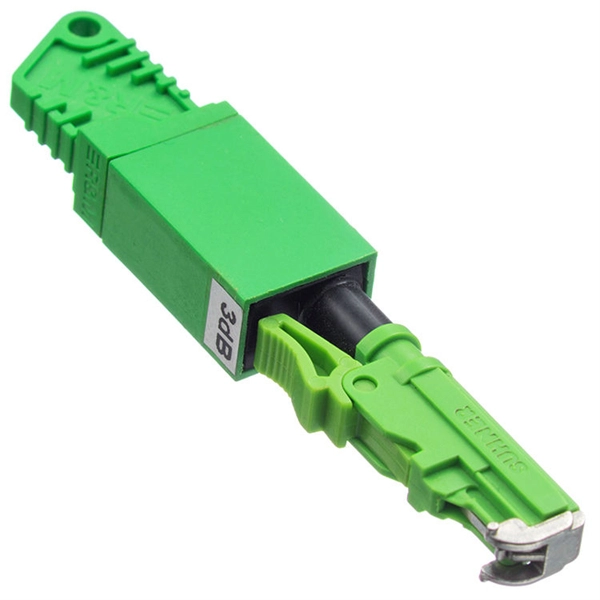
What type of cable tray is a rigid cable tray
Cable trays are mechanical support systems that provide a rigid structural system for electrical cables, raceways, and insulated conductors used for electric power distribution, control, signal instrumentation, and communication. There are several types of cable trays...
-
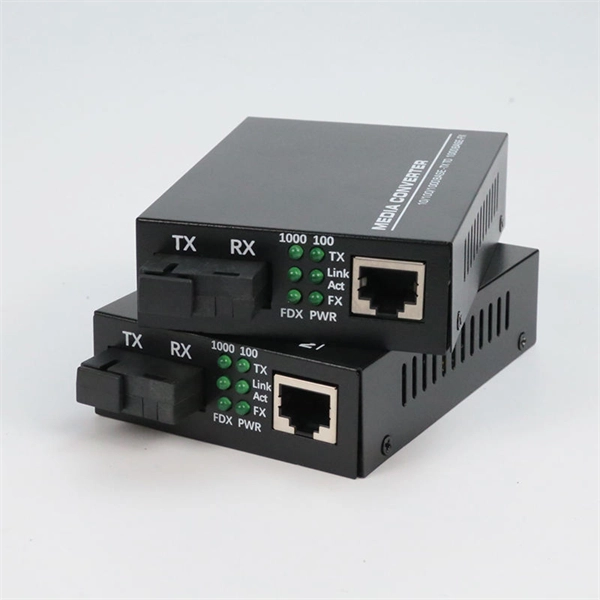
What type of cable is the outdoor fiber optic cable
Loose tube cables are the most widely used cables for outside plant trunks because it offers the best protection for the fibers under high pulling tensions and can be easily protected from moisture with water-blocking gel or tapes. These cables are composed of several fibers...
[PDF Version]
-
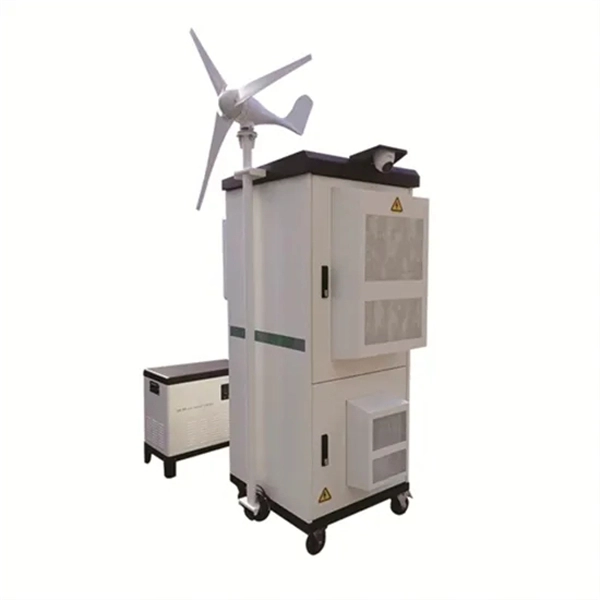
Internet Fiber Optic Cable Connection Method
FTTH (Fiber to the Home): Direct fiber connection from the provider to your home. This article focuses. Fiber optic cables facilitate high-speed connectivity with significant advantages over copper wires, such as faster data transmission, greater bandwidth, and better...
-
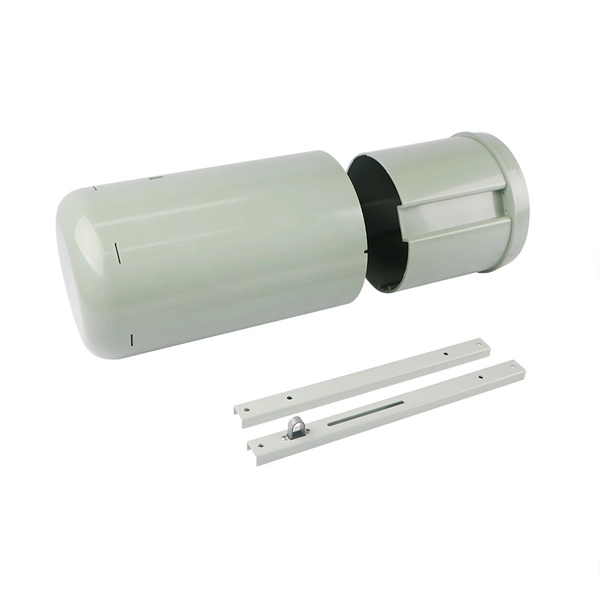
What is a vertical trough-type cable tray
A Vertical Cable Tray is a specialized support system designed to carry electrical and data cables securely in a vertical or riser direction. Think of it as the “spinal cord” or the “ elevator shaft ” for your cabling infrastructure, providing a protected and structured...
-
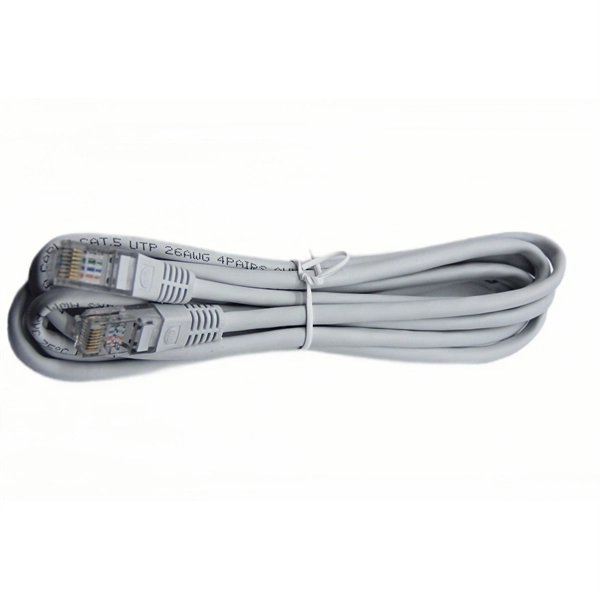
Fiber Optic and Cable Terminal Connection Methods
This article compares connector terminations, mechanical splicing, and fusion splicing, explaining when each technique is preferred in 2024 deployments. Unlike fiber splicing, which is permanent, connectors allow for easy connection and disconnection of cables, making them...
[PDF Version]
-
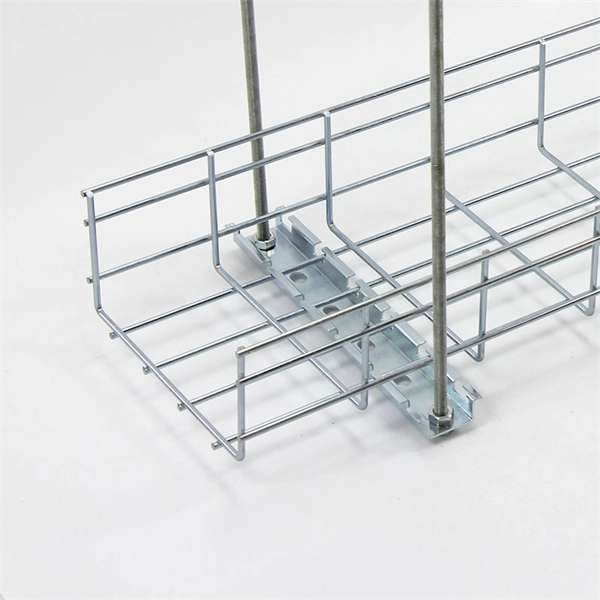
What are the characteristics of SFP28 active optical cable
These high performance and low power consumption AOCs are Ethernet, InfiniBand and MSA compliant with a robust construction, including a high-strength pull tab latching system which reduces plug loss and ensures more secure installations. Siemon 25G SFP28 Active Optical Cable...
[PDF Version]
-
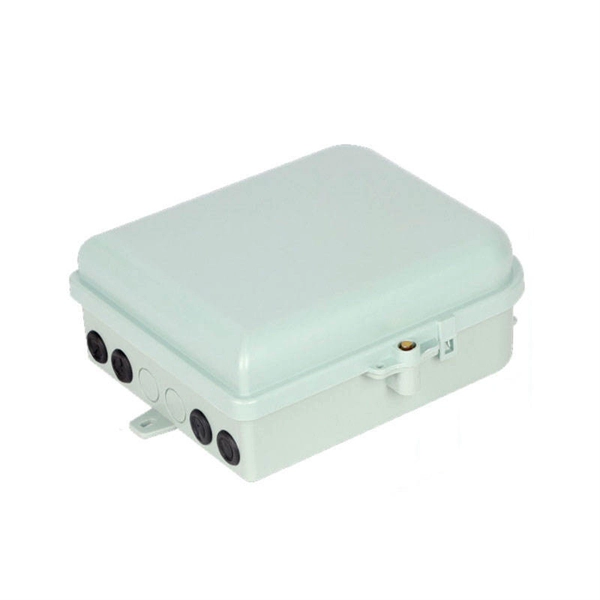
What material is Zhentai cable tray made of
The cable trays consist of a thin metallic plate and electro-welded steel rods. Their construction is based on the international standard IEC 61537, which specifies the requirements for cable tray systems, tests, and specifications. It's strong, durable, and can withstand a...
[PDF Version]