
Technical notes
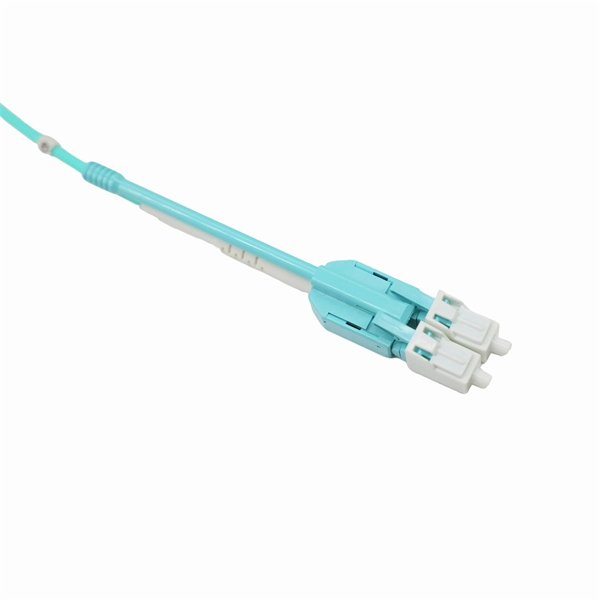
The Key Differences Between 1-core, 2-core, Single
The secret lies in fiber optic technology, and understanding the basics—1-core, 2-core, Single Mode (SM), and Multi-mode (MM)—is key to
Understanding Optical Modules: Working Principles,
Explore the working principles, structures, and performance metrics of optical modules, essential components of optical fiber communication
Optical module
OverviewElectrical Interface TypesOptical modulation and multiplexing typesIn-module componentsElectrical cable equivalentFront panel optical module MSAsOn-Board Optical module MSAsUsers of Optical Modules
An optical module is a typically hot-pluggable optical transceiver used in high-bandwidth data communications applications. Optical modules typically have an electrical interface on the side that connects to the inside of the system and an optical interface on the side that connects to the outside world through a fiber optic cable. The form factor and electrical interface are often specified by an interested group using a multi-source agreement (MSA). Optical modules can either plug into a front pa
Single-Mode Fiber and Multiple-Mode Fiber
Fibers are classified into single-mode (SM) and multi-mode (MM) fibers based on the number of supported transmission modes. A fiber that has a core diameter greatly exceeding optical
What is the difference between SM and MM fiber optic
Multi-mode fiber optic module is mostly used in networks with relatively low transmission rates and relatively short transmission distances, such
What Are The Differences Between SM Fiber And MM Fiber?-ETU
In general, SM optical modules need to be used with SM fiber patch cord, and MM optical modules need to be used with MM fiber patch cords. In addition, indoor and short-distance
The Most Comprehensive Guide Of Optical Modules
The optical module serves as a crucial component in optical fiber communication systems, operating at the physical layer, which is the lowest layer
What is an Optical Module?
Learn about the different types of optical modules, their functions, packaging, and key technical concepts like 400G, PAM4, and more. Understand how optical
How to Tell if My SFP is Single-Mode or Multimode?
To determine if your SFP (Small Form-factor Pluggable) module is single mode or multimode, you can look for specific markings or labels on the module itself. Typically, single mode
What are Multi-Mode (mm) Fibers? | Coherent
Multi-mode (mm) fibers have large optical cores that can carry multiple modes, or paths, of light. Their main applications include telecom and audio/video links.
Silicon Photonics and Co-Packaged Optics at the Heart
Yole Group unveils its latest photonic market and technology analyses, Silicon Photonics 2025 and Co-Packaged Optics for Data Centers
AOC, DAC, ACC, AEC Modules: The most Complete
Understand AOC, DAC, ACC & AEC modules in one guide. Compare features, benefits & best use cases to choose the right cable for your
Optical Module Chip Market 2025
The optical module chip market exhibits a fragmented yet competitive structure with global technology providers, semiconductor manufacturers, and specialized
Optical module design resources | TI
View the TI Optical module block diagram, product recommendations, reference designs and start designing.
10G Multi-Mode Optical Module
SFP+ transceiver that supports 10G connections up to 300 m using multi-mode fiber with a duplex LC UPC connector.
3D Slicer image computing platform
3D Slicer is a free, open source software for visualization, processing, segmentation, registration, and analysis of medical, biomedical, and other 3D
EML vs VCSEL vs CW Laser: Optical Transceiver
Compare EML, VCSEL, and CW laser technologies in optical transceivers. Covers cost, reach, speed, the 2025 EML shortage, and silicon
Optical Communication Industry Trends 2026: AI,
Explore optical communication industry trends in 2026, driven by AI infrastructure, 800G and 1.6T optical modules, silicon photonics, and next
Related Video Reference
This video was associated with the source search result. Verify technical details against current product documentation and project requirements.