
Technical notes
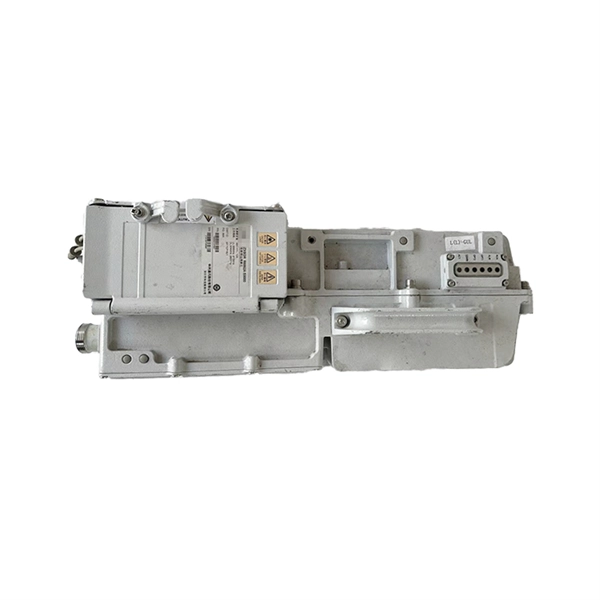
Distribution Box and Selection Guide: Internal Structure, Components
Learn how to choose a distribution box and understand its internal structure, including MCBs, busbars, neutral bars, earth bars, RCDs, RCBOs, SPDs, enclosure ratings, and wiring layout.
NEC Requirements for Panelboards and Load Centers
In case of dump or wet locations, there be at least a 6 mm (1⁄4 inches) air space between the wall and a surface mounted enclosure to account the moisture and prevent the rusting and damaging of
Electrical Control Panels & Distribution Boxes: Sizes, Types, and
Introduction Electrical control panels and distribution boxes are the backbone of modern electrical systems. From powering homes and industrial facilities to supporting medium-voltage
Safe Clearances for Electrical Equipment: Working Space and
The dedicated equipment space is commonly referred to as the equipment footprint (the space equal to the width and depth of the equipment). The dedicated equipment space also extends
Distribute Objects Evenly in PowerPoint: Shortcuts & Methods | Deckary
Distribution needs at least 3 objects—with 2 objects, there''s only one gap and nothing to equalize. If you need to position 2 objects with a specific gap, use alignment to line them up and then
IEC / BS 7671 Codes for Consumer Unit and Distribution Board
Residential: The recommended height for distribution board and consumer unit is between 1 metre to 1.8 metre from the floor. The suggested height is 1.3 metres for elderly and handicapped people in the
Distribution Box Guide: Types, Components & Solutions
What is a Distribution Box? A distribution box, or DB box, is a circuit breaker enclosure. It is a vital part and central hub of any electrical system. The hub distributes electrical power from a
Outdoor Electrical Distribution Box Specifications: NEC Article 312
Complete specification guide for outdoor electrical distribution boxes covering NEC Article 312 requirements, NEMA ratings, sizing calculations, and selection criteria for commercial and
Align or distribute objects in InDesign | InDesign
Learn how to align or distribute objects in Adobe InDesign using alignment options and spacing tools for precise layout control. Object alignment helps maintain consistent spacing and
Spacing Requirements for Power Distribution and Terminal Blocks
UL508A contains two important requirements to consider when applying power distribution blocks. Spacing of 1 ̋ through air, 2 ̋ over surface (at 600V) is required when used in a feeder circuit (that''s
What is an Electrical Distribution Box? A
Discover everything you need to know about electrical distribution box! Learn about types, components, and how to choose.
The installation requirements for the distribution box
Learn how to install a distribution box safely and correctly. Covers wiring, placement, standards, and expert tips for a compliant setup.
Size determination, installation method and wiring mode of distribution
The distribution box is the central hub of the home circuit and the general control of our daily power consumption. It is an indispensable electrical equipment. If there are some potential safety hazards,
How to determine the size, installation method and wiring mode of
9) The wood brick and iron parts needed for the installation of the distribution board need to be buried in advance, and the exposed distribution box should be fixed with metal expansion bolts. The wiring
Distribution box
Yet the distribution box is a highly complex component that not only ensures safe power distribution, but is also responsible for protection in an emergency. In this article, you will learn everything you need
Understanding Distribution Boxes: Your Guide to Power
What are Distribution Boxes and Their Importance? What are Distribution Boxes and Their Importance? Distribution boxes, or electrical
What Is the Difference Between a Distribution Box and
Conclusion In conclusion, understanding the differences between distribution boxes and junction boxes is crucial for effectively managing electrical
Key Points Of Installation And Collocation Of Distribution Box In
If they are combined in the same distribution box, power and lighting lines should be set separately. 7. The wire inlets and outlets in the distribution box and switch box shall be set at the lower bottom of
Related Video Reference
This video was associated with the source search result. Verify technical details against current product documentation and project requirements.