
Technical notes
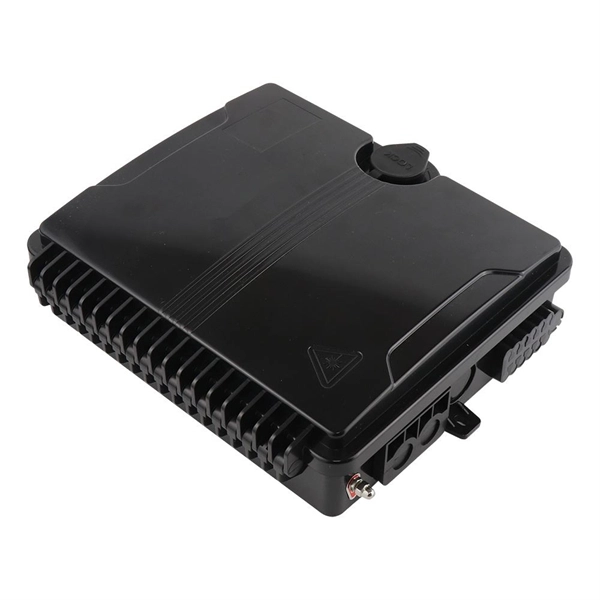
Optical Module Housings Guide
High-speed optical modules generate significant heat. Without effective dissipation, this heat can degrade performance and slash the lifespan of components. Studies show that for every
Cisco Optical Transceiver Handling Guide
The case operating temperature of the module is around typically 10 to 15 degrees hotter than the ambient temperature. A transceiver operated at an ambient temperature of 45°C can easily reach
OSFP Optical Module Thermal Design: Structure, Heat Dissipation
This article explains contemporary thermal strategies for OSFP modules — from fin geometry tuning to detachable heatsink covers — and maps measured performance to practical
Transceivers Operating Temperature l JTOPTICS
The transceiver module temperature determines the available temperature of transceiver modules. According to different types and brands, transceiver modules may have different temperature ranges.
Exploring the Operating Temperatures of Optical Transceivers
As the temperature of the optical module increases, the optical power output may increase, causing signal distortion. High temperature also affects the extinction ratio (the ratio of the
Optical Module Working Principle | SFP Transceiver Technical Guide
Two key metrics affected by temperature are output optical power and extinction ratio (Er)—both of which require active control to ensure stable module operation.
Optical Module Housing Guide: Design, Types, and Thermal
High-power lasers and processors generate significant heat. The housing is designed to pull this heat away from the internal components, typically through direct contact with the PCB and
Understanding Optical Transceiver Operating
In this comprehensive guide, we''ll delve into everything you need to know about optical transceiver operating temperatures, including why it matters,
What is The Operating Temperature of The Optical
We know that optical transceivers have a limited operating temperature environment, and optical transceivers can only operate within the
Optical module working temperature is too high or too low on the use
The operating temperature specifications of optical modules are categorized into commercial grade (0-70°C), extended grade (-20-85°C), and industrial grade (-40-85°C), but the
An In-Depth Guide to the Working Temperature of
Learn about the working temperature ranges of optical transceivers, how temperature affects their performance, and the factors that influence these
Understanding Optical Transceiver Operating
Optical transceivers are fundamental components in modern telecommunications and networking systems, enabling the transmission of data
OSFP Optical Module Thermal Design: Structure, Heat Dissipation
1. Why thermal design matters for OSFP in 400G+ systems As electrical and optical integration intensifies in next-generation pluggable modules, module power dissipation rises. OSFP
Transceivers Operating Temperature l JTOPTICS
Environmental Conditions: Optical modules are mainly used in data centers, computer rooms or switches. If applied in other environments, changes in the ambient temperature will change the
Optical module working temperature is too high or too low on the use
Each optical module has a temperature compensation function. The temperature compensation is automatically controlled by the APC circuit and will change with the temperature.
Active Cooling of Optical Transceivers
The temperature of the device in outdoor environment will increase due to smaller form factors and no access to forced airflow, which will increase the heat flux density of the radio unit. This results in high
Cisco Optical Transceiver Handling Guide
Operating Temperature of Optical Transceivers Several parameters impact the operating case temperature of optical transceiver and its surface temperature. The ambient temperature of the
How is the Thermal Structure of OSFP Optical Modules
The power consumption of ultra-high-speed optical modules with 400G OSFP and higher rates has significantly increased, making thermal
Related Video Reference
This video was associated with the source search result. Verify technical details against current product documentation and project requirements.