
Technical notes
Optical Chips: Types, Applications, and Future Trends
Laser chips, or light-emitting chips, are the heart of optical communication systems. They are responsible for generating laser light, which is
The Key Differences Between 1-core, 2-core, Single
Multi-mode fibers have a larger core, allowing multiple light paths, suitable for short distances but prone to signal degradation over longer ranges.
Photonic integrated circuit
OverviewHistoryComparison to electronic integrationExamples of photonic integrated circuitsApplicationsTypes of fabrication and materialsCurrent status
A photonic integrated circuit (PIC) or integrated optical circuit is a microchip containing two or more photonic components that form a functioning circuit. This technology detects, generates, transports, and processes light. Photonic integrated circuits use photons (or particles of light) as opposed to electrons that are used by electronic integrated circuits. The major difference between the two is that a photonic integrated circuit provides functions for information signals imposed on optical wavelengths typically in the
A Clear Comparison of Laser Diodes in Optical
Laser diodes are the heart of optical modules—they convert electrical signals into light for fast and efficient fiber-optic communication. Optical
What form does the chip used in multimode optical modules take?
On the transmitter side, multimode optical modules primarily use Vertical-Cavity Surface-Emitting Laser (VCSEL) chips. A VCSEL is a semiconductor laser that emits light perpendicularly
The Most Comprehensive Guide Of Optical Modules
Presently, laser diodes (LD) are commonly used as the light source in most optical modules. These diodes exhibit advantages such as lower power
Understanding Optical Modules: Working Principles,
As shown in Figure 1-3, when converting electrical signals into optical signals, the laser in the optical module emits light based on the input electrical
Overview of the Development of Fiber Optic Transceivers
Fiber optic transceiver, also called optical module, is used to realize the conversion between electrical and optical signals. It is the core device for
Optical Module Working Principle | SFP Transceiver Technical Guide
Laser diodes (LDs) are the standard light-emitting components in most modern optical modules—including all Weunion SFP transceivers. Unlike LEDs, LDs produce coherent light with a
TI DLP® System Design: Optical Module Specifications (Rev. C)
This document focuses on projection optical modules that incorporate Texas Instruments'' DLP Display chips and are designed to project an image onto a surface for a variety of applications, including
Understanding Optical Modules: Working Principles,
Explore the working principles, structures, and performance metrics of optical modules, essential components of optical fiber communication
Introduction to Optical Chips
Optical chip is a chip in the optical module that completes the conversion of photoelectric signals. It is divided into laser chip and detector chip. The laser chip emits light based on the
Optical Chips: Types, Applications, and Future Trends
This guide explores optical chips, their types, applications, their impact on optical module performance, and the exciting future trends in optical
Convert Word and PDF files to clean HTML | Free
Enter or paste your text or upload and convert your Word (DOCX, DOC), PDF, ODT, RTF, and TXT documents to clean HTML.
What Is an Optical Transceiver IC? A Simple Guide For
Hence, the chip is a core component of an optical transceiver. You can imagine the optical module as a complete “translator”; its core task is to
The Key Differences Between 1-core, 2-core, Single Mode, and Multi
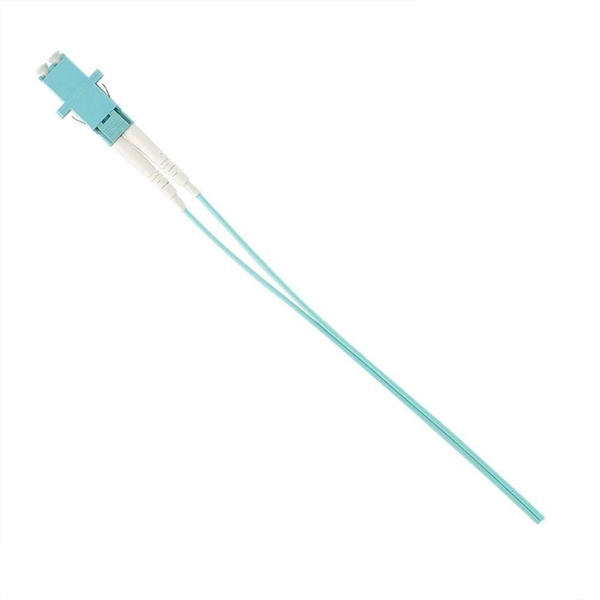
In optical modules, “core” refers to the light-transmitting channel in the fiber. A 1-core module uses a single fiber core for data transmission, while a 2-core module uses two cores.
OSRAM Global | Light is OSRAM
OSRAM stands for premium performance: vehicle lamps, maintenance and accessory products, plus cutting‑edge entertainment and industrial lighting.
What Are The Core Components Of The Optical Module?--ETU-LINK
The optical module using the CDR chip will be locked in rate and cannot be used under frequency reduction. 5. What Is TIA & What Does It Do? TIA (Transimpedance amplifier): used with detectors.
Related Video Reference
This video was associated with the source search result. Verify technical details against current product documentation and project requirements.