
Technical notes
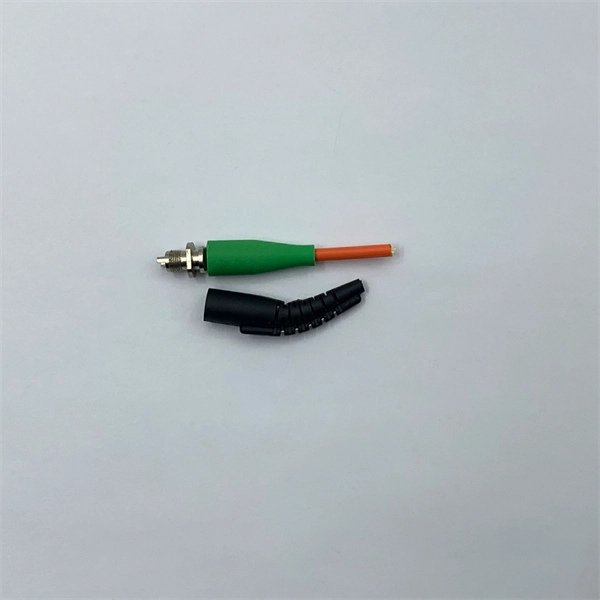
Fibre optic vs metal components
Copper and aluminium are commonly found in cables and connectors serving as excellent conductors thanks to lower levels of resistance. Alternatively, fibre optic cables use light to transmit
Critical Minerals in Data Transmission Networks | SFA
Optical transmission minerals are critical for the production and advancement of fibre optic technologies. Silicon is a key component in fibre optic cable cores,
Fibre optic vs metal components: How fibre optic compares to
Copper and aluminium are commonly found in cables and connectors serving as excellent conductors thanks to lower levels of resistance. Alternatively, fibre optic cables use light to transmit
Fiber Optic vs Metal Components
Here, Mark Baptista, internal application engineer at electrical connector specialist PEI-Genesis, explains the differences between fiber optic
Choosing the Right Conductor Material for Cables | HELU
There are good reasons for this: both metals have high electrical conductivity as well as different advantages and disadvantages. Optical fibres (fibre optics) have also become an
Crafting Connections Alloys in the Telecommunications Industry
The use of innovative alloys, whether for conductivity or protection, has enabled the telecommunications industry to move forward and become faster and more efficient than ever before.
Why Is High-Modulus Aramid the Key to Advancing Long-Span
When designing long-span optical cables, engineers must consider numerous factors, including strength, durability, and weight. High-modulus aramid stands out due to its exceptional
Copper and other metals used in telecommunications
To allow the material to be made into wire, it must exhibit ductility. The material must be able to withstand the tensile stresses applied during manufacture, extrusion of the insulation and the
Fiber Optic vs Metal Components
Cost vs speed Traditionally, metal cabling works by transmitting electric current from one place to another using the metal as a conductor. Copper and aluminum are commonly found in
How optical fiber is made
Optical Fiber Background An optical fiber is a single, hair-fine filament drawn from molten silica glass. These fibers are replacing metal wire as the transmission medium in high-speed, high-capacity
Erbium: The Unseen Power in Fiber Optics
The use of EDFAs has several advantages. They can amplify a wide range of wavelengths simultaneously, which is crucial for wavelength-division multiplexing
How does fiber optics work?
An easy-to-understand introduction to fiber optics (fibre optics), the different kinds of fiber optic cables, and how light travels down them.
What Metal Is Best for Electrical Wiring?
Silver Silver is one of the most conductive metals known to man. Although this metal oxidizes, silver is still a great electric conductor of electricity, and that is why you can use it in cables
Fiber Optic Cables: Advantages, Disadvantages, and
Fiber optic cables are a cutting-edge technology used for transmitting information as pulses of light through strands of fiber made of glass or plastic.
A Beginner''s Guide to Fiber Optic Materials
Unlike metal cables, fiber optics do not overheat or produce sparks, which makes them safer for use in buildings, factories, or other high-risk areas.
What Materials Are Used in Fiber Optic Cables?
While silica dominates long-distance communication, other materials are used in specialized applications. Plastic Optical Fiber (POF) is a cost-effective alternative typically used for
Optical Applications of Rare Earth Materials
In optics, rare earth elements are often used as dopants in lasers, optical amplifiers, and coatings, significantly enhancing the performance of these devices.
Copper and other metals used in telecommunications
Copper is the metal that has been traditionally used for communications wires and cables. It is ductile, has suitable tensile strength and is a very satisfactory conductor.
Related Video Reference
This video was associated with the source search result. Verify technical details against current product documentation and project requirements.