
How can one identify a broken fiber optic cable?
To identify a broken fiber optic cable, start by performing a visual inspection for any physical signs of damage, such as bends, cracks, or breaks...
Search optical fiber, connectivity, cable management and network infrastructure references.
For most commercial projects, expect to pay $50–$150 per fusion splice point - but that number can swing in either direction based on the factors below. Fiber optic splicing costs vary widely depending on project size, location, fiber type, and site conditions. The "per...
At their core, fiber optic gratings are periodic modulations of the refractive index within the core of an optical fiber. These modulations create a structure that interacts with light in a predictable manner, primarily through the phenomenon of Bragg diffraction. This...
[PDF Version]
Tight or stretched cords will pull on connectors, and too much slack complicates cord management, making the panel more difficult to work on. Unlike backbone cables, patch cords are frequently connected, disconnected, bent, and handled by technicians, making them the most...
[PDF Version]
Fiber optic adapters, also known as couplers, play a crucial role in fiber optic networks by providing a connection point between two fiber optic connectors. Pick the right coupler for your needs. Note that the term fiber coupler is used with two different meanings: It can be...
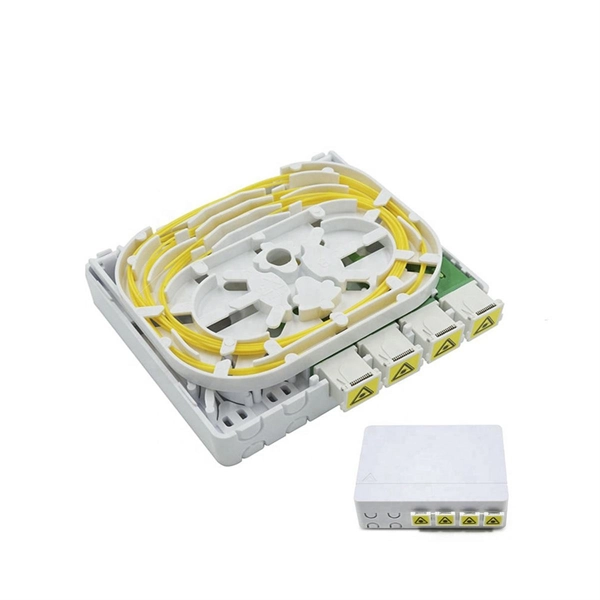
Fiber Termination Box, also known as FTB, typically consists of two main parts: the outer shell body and the adapter tray that protects the fiber connector points. It is a crucial component in fiber optic networks, primarily used for terminating, connecting, and managing...
[PDF Version]
The maximum distance a light signal can travel before needing a boost or cleanup is known as the fiber span. A fiber span refers to the physical length of the optical fiber between any two active network devices. Fiber optic cables have a reputation for their prolonged...
[PDF Version]
Even small splice mistakes like dirt or misalignment can cause major signal loss. Seasonal weather changes (freeze–thaw cycles, humidity shifts) affect splice durability. Reliable diagnostics using tools like OTDR help catch issues before they escalate. Excessive thickness...
[PDF Version]
Fiber optics work by using total internal reflection to guide light through thin glass or plastic fibers. Light entering the fiber at angles greater than the critical angle reflects off the fiber walls, bouncing along the fiber without escaping. A fiber-optic cable, also...
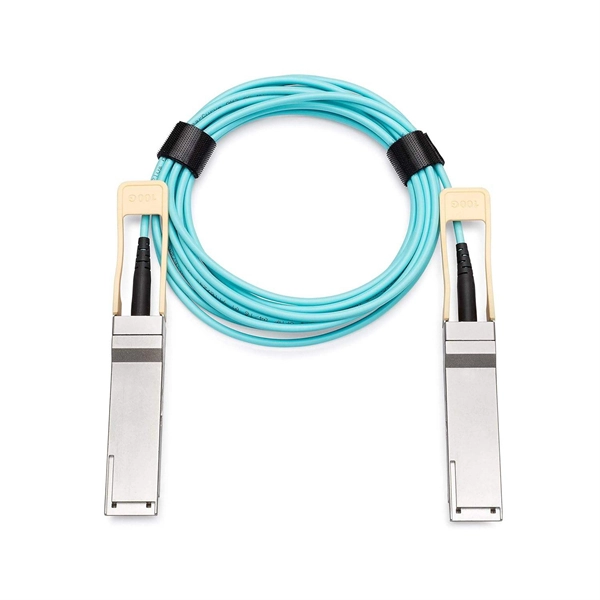
With tariffs driving up the cost of imported fiber optic cables, supply chains are getting squeezed. That's a problem, considering fiber optics are the backbone of modern communications, powering everything from global internet traffic to national defense systems. Instead, it...
[PDF Version]
A fiber optic cable is a cable that uses thin fibers of glass or plastic to transmit data as light signals. These cables work based on the principle of light refraction, which allows them to carry information across long distances, unlike regular copper wires, which use...
[PDF Version]
Problem: Loose fiber cables, unstable power supply, or overheating. An ONT, or Optical Network Terminal, is the box where your fiber internet connection enters your home to power your fiber network. Before troubleshooting your ONT, we recommend. Fiber optic troubleshooting is...
[PDF Version]To identify a broken fiber optic cable, start by performing a visual inspection for any physical signs of damage, such as bends, cracks, or breaks...
There are several methods to test fiber optic cables without a tester. One method is using a visual fault locator (VFL), as mentioned earlier, to v...
Intermittent fiber optic connections can be caused by a variety of factors, including: Poorly terminated connectors or splices that result in unsta...
Share the fiber interfaces, termination capacity, cable route and evidence required for handover.