
Why Optical Modules Fail After Deployment And How To Avoid It
Search optical fiber, connectivity, cable management and network infrastructure references.
- Optical
- Modules
- Fail
Articles and technical references
11 on this page-
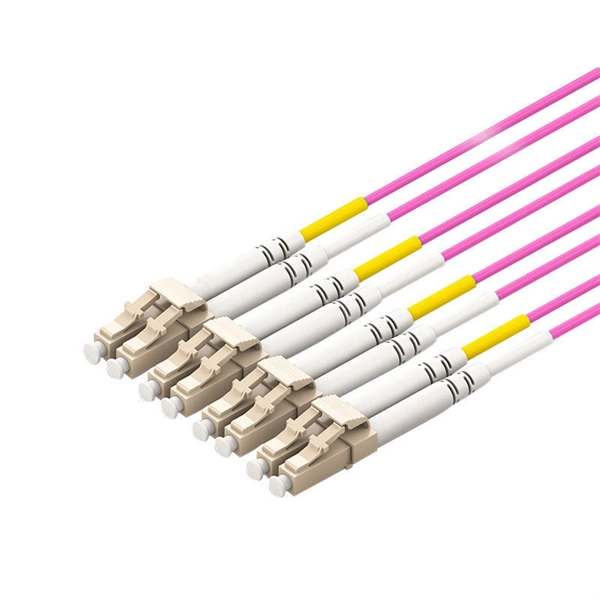
Why do 100G optical modules use wavelength division multiplexing
Both utilize wavelength division multiplexing technology to combine multiple optical signals of different wavelengths onto a single optical fiber, thereby increasing fiber capacity and transmission distance. This technique enables bidirectional communications over a. Based on...
[PDF Version]
-

Why does communication include optical modules
As an essential component of optical fiber communication, optical modules are optoelectronic devices that facilitate the conversion between optical and electrical signals during the transmission process. Among various optical module form factors, SFP (Small Form-Factor...
-
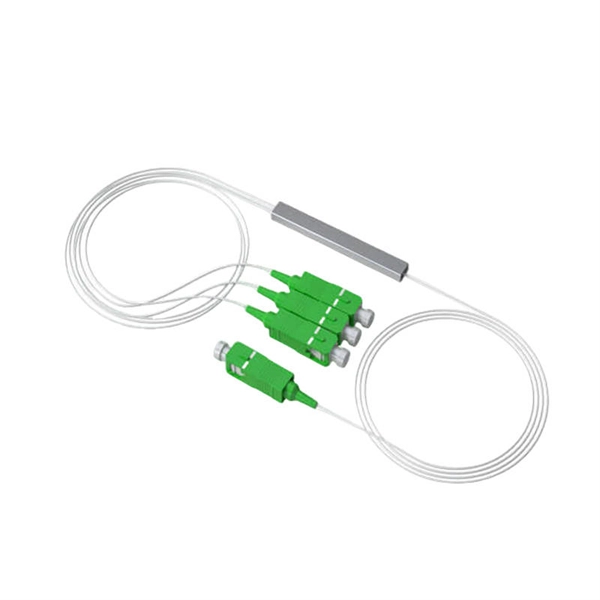
Why do optical modules need calibration
To ensure accurate and reliable measurements, optical sensors must be calibrated regularly. Internal and external calibration methods for an optical transceiver monitor are shown. Fiber optic standards, such as the SFF-8472 and the now emerging XENPAK Standard, call for...
-
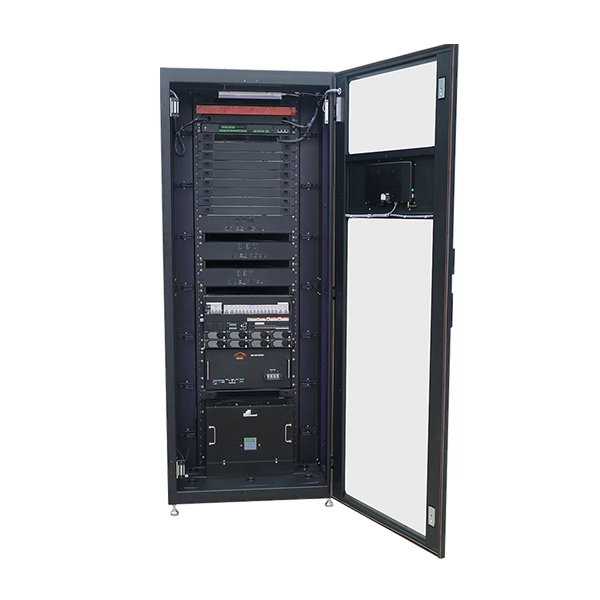
Optical modules frequently fail
Why Optical Modules Fail After Deployment — And What is the most common cause of optical module failure? The most common cause is lack of baseline optical.
[PDF Version]
-
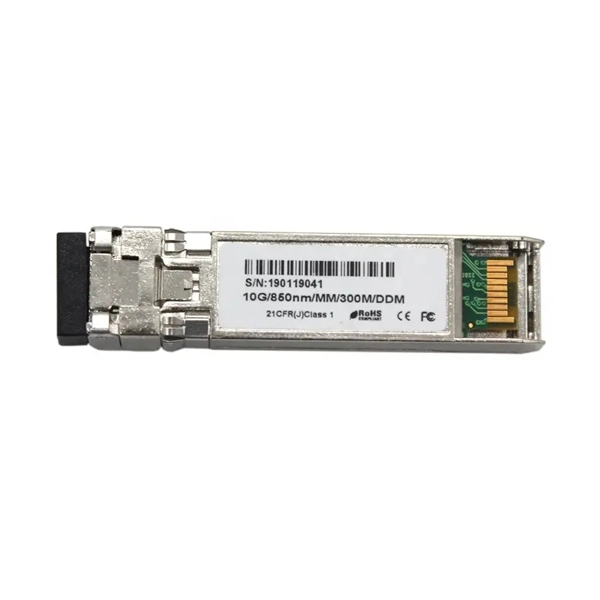
Do optical modules have PC interfaces
An optical module is a typically hot-pluggable optical transceiver used in high-bandwidth data communications applications. Optical modules typically have an electrical interface on the side that connects to the inside of the system and an optical interface on the side that...
[PDF Version]
-
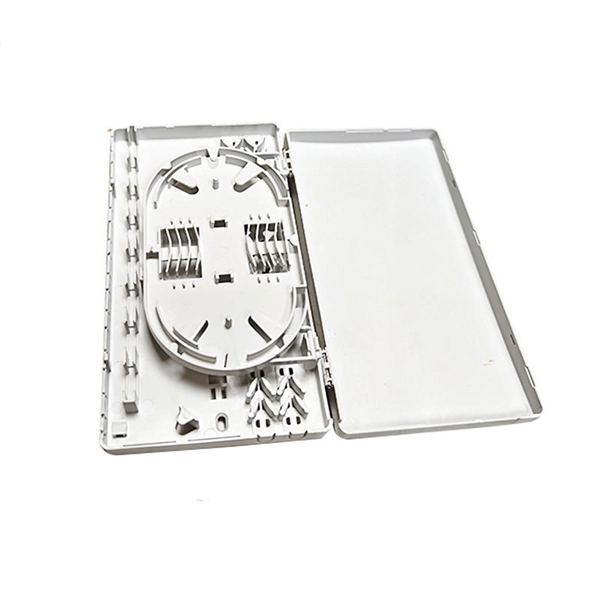
Can optical modules improve home broadband speeds
This transition to optical fibers enables significantly faster and more stable internet connections, which are crucial for the modern digital lifestyle. Fiber-optic connections are the fastest and most reliable way we have to connect to the internet. Its primary function is...
[PDF Version]
-
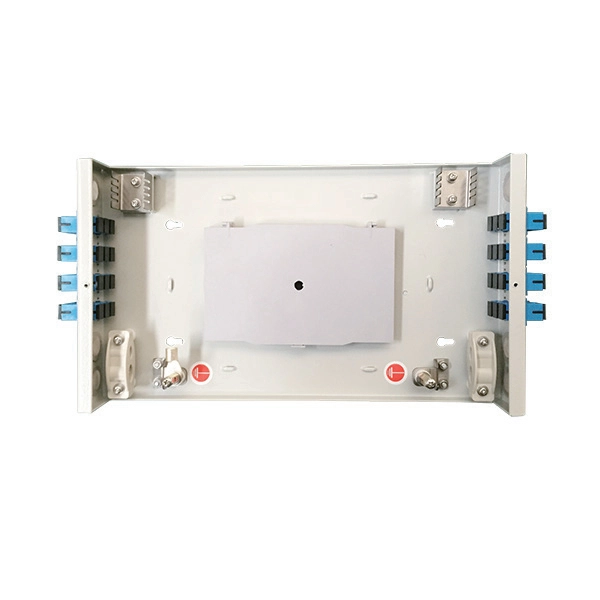
How to search for the concept of optical modules
Optical modules are compact devices that convert electrical signals into optical signals and vice versa. They are used in fiber optic communication systems to transmit data over long distances with minimal loss and interference. Operating at the physical layer of the OSI...
[PDF Version]
-
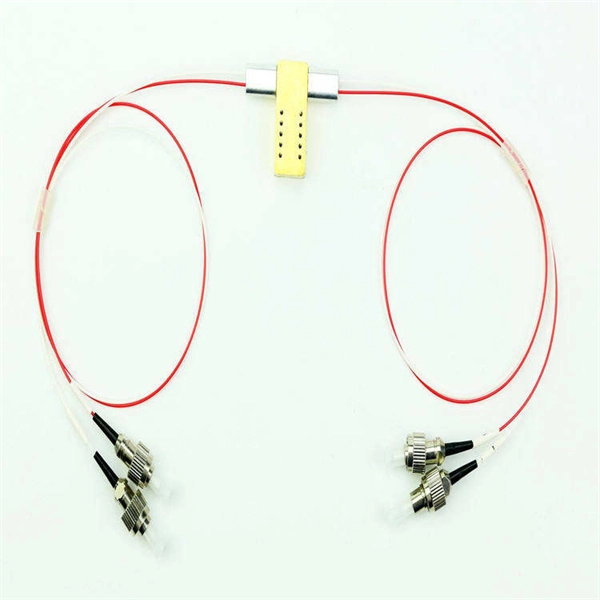
What are gigabit single-mode optical modules
A gigabit SFP module (1G SFP module) is a Small Form-factor Pluggable (SFP) transceiver designed to support 1Gbps Ethernet transmission by converting electrical signals from a network device into optical or electrical signals suitable for the selected transmission medium...
[PDF Version]
-
What is the demand for optical modules
According to industry data, the global optical module market exceeded USD 23 billion in 2025 (Source: STCN), and is expected to grow by approximately 25% in 2026 (Source: FXBaogao). The industry is rapidly transitioning to higher transmission speeds to support AI workloads...
[PDF Version]
-
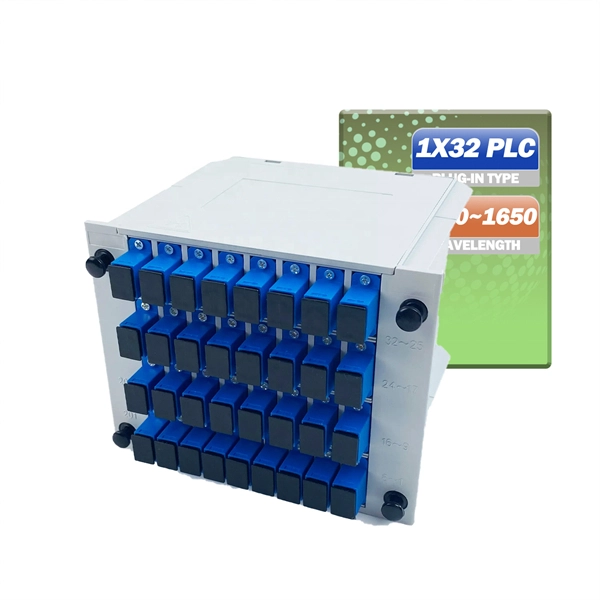
What is the function of Huijue optical modules
Huijue's optical fiber energy storage uses doped fibers to trap photons (light particles), converting them into stored energy. Think of it as a "light battery" that charges faster than you can say "lithium-ion. "On an optical network, a sender needs to convert electrical...
-
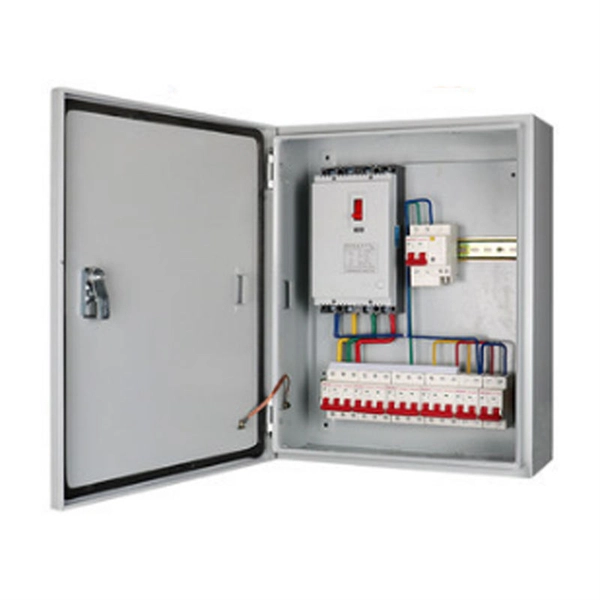
Standards for Single-Mode and Multi-Mode Optical Modules
The two primary standards are: – Single-Mode Fiber (SMF): Uses a 9µm core and laser light for long-distance communication (e., telecom, ISP backbones)., data centers . Published: 2026 | Category: Network Hardware Knowledge Base / Optical Communications Core Keywords: SFP...
[PDF Version]