
Why The Conformal Coating Process Is Essential For
Search optical fiber, connectivity, cable management and network infrastructure references.
- Conformal
- Coating
- Process
Articles and technical references
11 on this page-
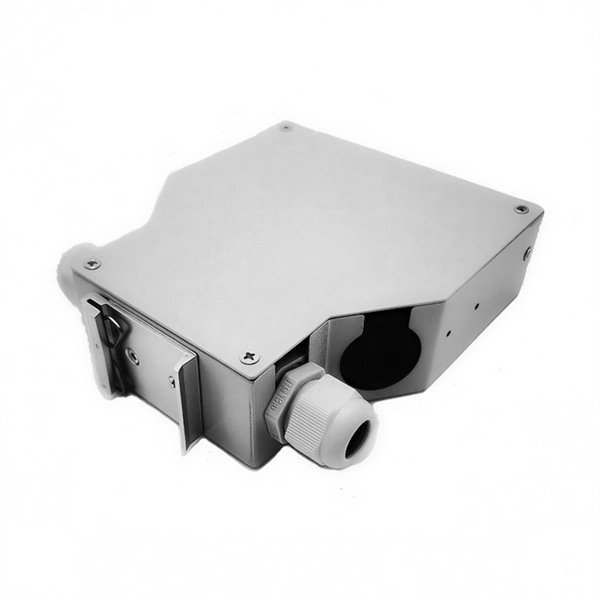
Optical module coated with conformal coating
From a reliability and compliance engineer's perspective, this article explains Conformal coating's role in meeting standards such as GR-468, and how it must be coordinated across design, manufacturing, and test. Telcordia GR-468-CORE is a gold standard for opto-electronic...
[PDF Version]
-
How long does the optical cable acceptance process take
The entire process typically takes 2-6 hours for residential installations when an Optical Network Terminal (ONT) is already present, or 4-6 hours if one needs to be installed from scratch. 1: How long does the fiber optic installation process take? A: The duration varies...
-
Why does the small busbar always carry direct current
Because busbars have a large cross-sectional area, they can safely carry high current without excessive heating. Electrical power enters the system through the main supply. The incoming supply is connected directly to the busbar. This means using solid bars of copper...
[PDF Version]
-
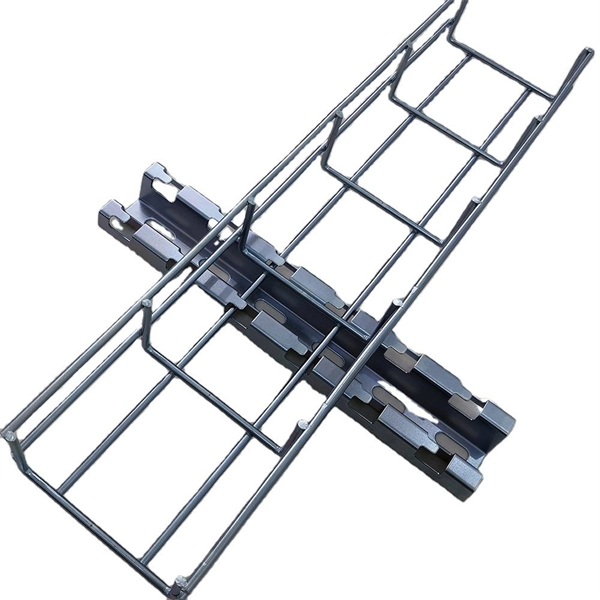
Production process of aluminum profile cable trays
Forming machines then bend and shape the material into the desired tray profile, followed by welding or joining processes to create the tray sections. Finally, surface treatment, such as powder coating or hot-dip galvanizing, provides corrosion protection and a finished...
[PDF Version]
-
Reasons why a laser diode is not emitting light
A common failure pattern is: the diode is emitting, but the light never makes it to where you measure it. Laser diodes are current-driven, temperature-sensitive devices; a small setup mistake can look like a broken laser even when the diode is still recoverable. A laser diode...
[PDF Version]
-
Pipeline fiber optic cable manufacturing process
This production system integrates multiple stages, including fiber pay-off, coloring, buffering, stranding, sheathing, and testing. The manufacturing process of fiber optic cables is a fascinating journey involving cutting-edge technology, precision engineering, and strict...
-
Why can fiber optic gratings emit light
At their core, fiber optic gratings are periodic modulations of the refractive index within the core of an optical fiber. These modulations create a structure that interacts with light in a predictable manner, primarily through the phenomenon of Bragg diffraction. This...
[PDF Version]
-
Why are fiber optic patch cords difficult to plug and unplug
Tight or stretched cords will pull on connectors, and too much slack complicates cord management, making the panel more difficult to work on. Unlike backbone cables, patch cords are frequently connected, disconnected, bent, and handled by technicians, making them the most...
[PDF Version]
-
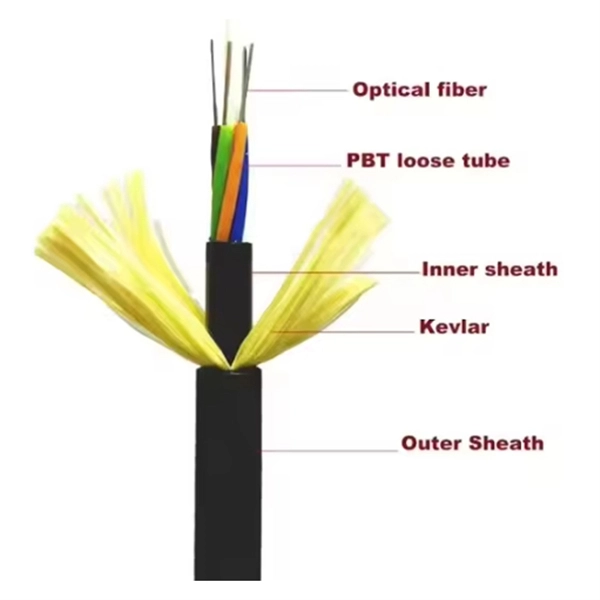
The process of bundled optical cables
Fibre cable bundling involves grouping multiple fibre optic cables together to form a single, cohesive unit. This technique is crucial for enhancing the capacity of data transmission systems. By bundling cables, telecommunications companies can maximise the use of available...
-
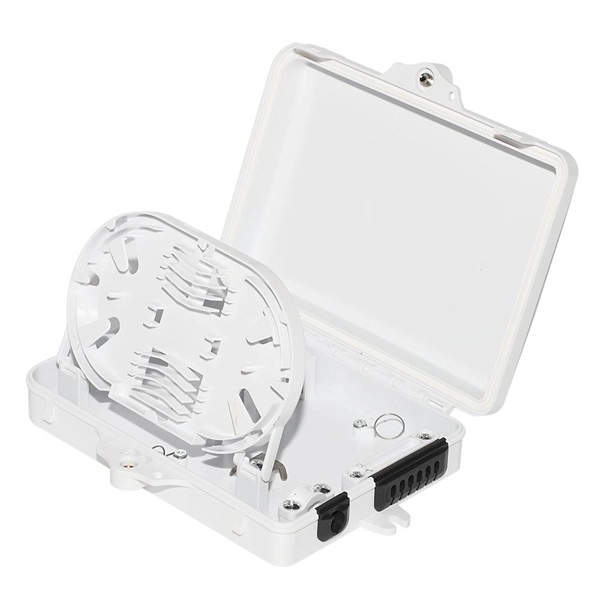
Customization Process for Energy-Saving Optical Power Dividers for Backbone Networks
In this study, the design of photonic crystal power dividers is addressed using a two-stage deep learning strategy with Deep Convolutional Generative Adversarial Networks (DCGANs). The study primarily aims for high-resolution designs compared to the existing methods. This...
[PDF Version]
-
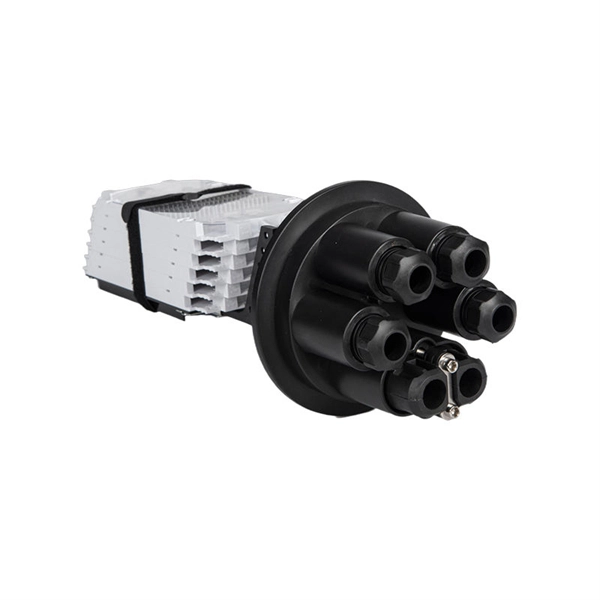
Does fiber optic cable need a coupler Why
Fiber optic adapters, also known as couplers, play a crucial role in fiber optic networks by providing a connection point between two fiber optic connectors. Pick the right coupler for your needs. Note that the term fiber coupler is used with two different meanings: It can be...