
Wyrgrid Overhead Cable Tray Routing System
Search optical fiber, connectivity, cable management and network infrastructure references.
- Wyrgrid
- Overhead
- Cable
Articles and technical references
10 on this page-
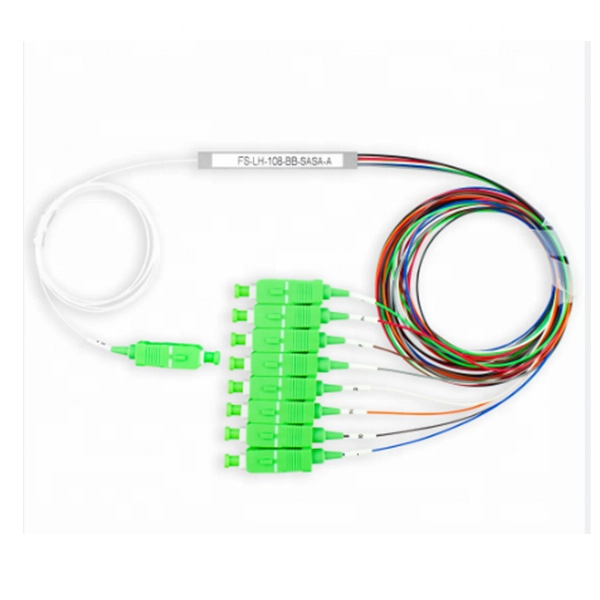
Cable tray overhead power lines
Cable tray systems are the perfect solution for running large quantities of power or data cables overhead or under-floor. Also known as baskets, trunking, or cable ladders, these systems are designed to both route and provide support for vital wiring. From heavy power cable...
[PDF Version]
-

Distance between poles for overhead fiber optic cable routing
The distance between poles of overhead lines is 25-40 meters in the urban area, and 40-50 meters in the suburbs, and no more than 67 meters in other sections. Overhead fiber optic cable should adopt a galvanized steel strand with the specification of 7/2. The charter of the...
[PDF Version]
-
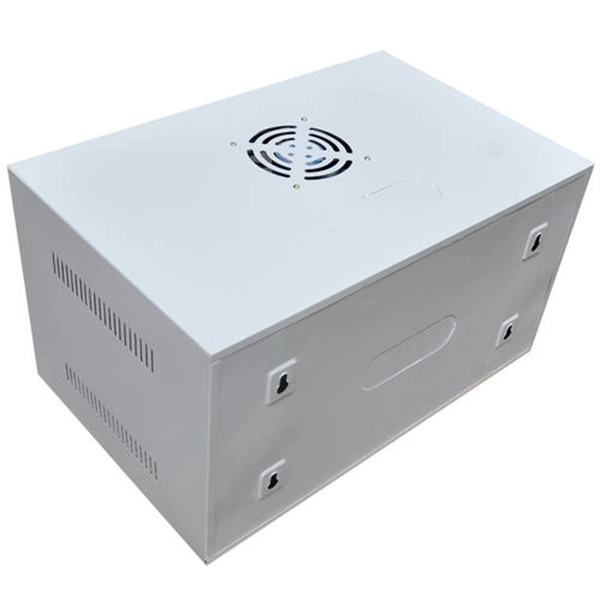
Zinc-aluminum-magnesium cable tray with multi-hole cable routing frame
A corrosion-resistant cable support system manufactured from steel substrate with advanced Zn-Al-Mg alloy coating. Standard configurations include ladder-type, tray-type, and channel-type designs with compatible accessories. Optional organic coatings enhance performance. This...
[PDF Version]
-
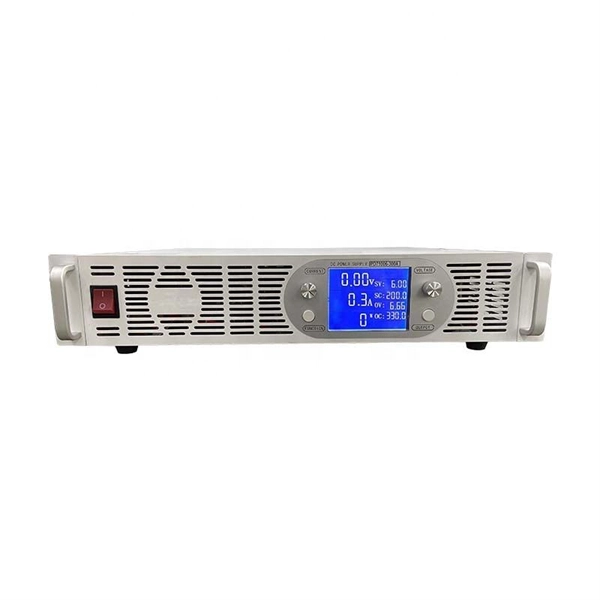
Fiber optic cable routing channel bend
The normal recommendation for fiber optic cable is the minimum bend radius under tension during pulling is 20 times the diameter of the cable (d). While installers are aware of the fundamental importance of minimum bend radii, they often lack the practical know-how to. A...
[PDF Version]
-

Trough-type cable tray mesh
Unlike ladder or wire mesh cable trays, trough type cable trays use a fully enclosed structure formed from a single steel sheet, creating a protective channel that shields cables from external interference. Far superior to traditional conduit in many applications, cable tray...
[PDF Version]
-
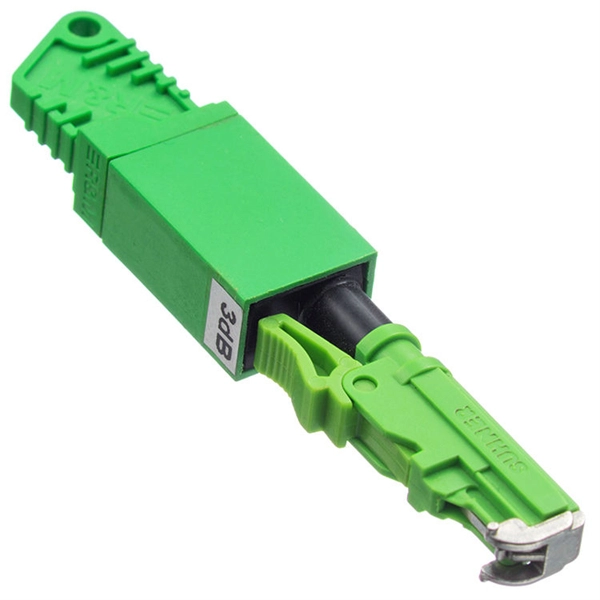
What type of cable tray is a rigid cable tray
Cable trays are mechanical support systems that provide a rigid structural system for electrical cables, raceways, and insulated conductors used for electric power distribution, control, signal instrumentation, and communication. There are several types of cable trays...
-
Cable tray small end becomes large
Cable sag results from incorrect spacing of cable tray supports or from employing the incorrect tray type that is, light-duty perforated trays in high-load applications. Complicating the problem are overloaded trays and large unsupported spans. Sagging causes tension at...
[PDF Version]
-
Sealing of Cable Tray Holes in External Walls
In Walls: Use a fire-rated, intumescent caulk or putty for gaps around cables in fire-rated walls. For non-fire-rated walls, silicone caulk provides a flexible, weather-resistant seal. Installing a cable through an exterior wall creates a breach in the building envelope...
[PDF Version]
-
Cable tray weld location
Support of cable tray shall be located within 2ft (600mm max. ) of each side of expansion splice plates. Expansion guides should be used at each support point except where the tray is hung with. According to an embodiment of the present invention, a method to weld a cable...
[PDF Version]
-

How to organize messy cable tray pigtails
If you're wondering about the best way to organize wires on your desk, try combining a tray underneath with adhesive cable clips on the top edge. This keeps everything neat and prevents cables from falling every time you unplug something. Whether you're managing a chaotic...
[PDF Version]