
Cable Laying Equipment
Search optical fiber, connectivity, cable management and network infrastructure references.
- Cable
- Laying
- Equipment
Articles and technical references
11 on this page-
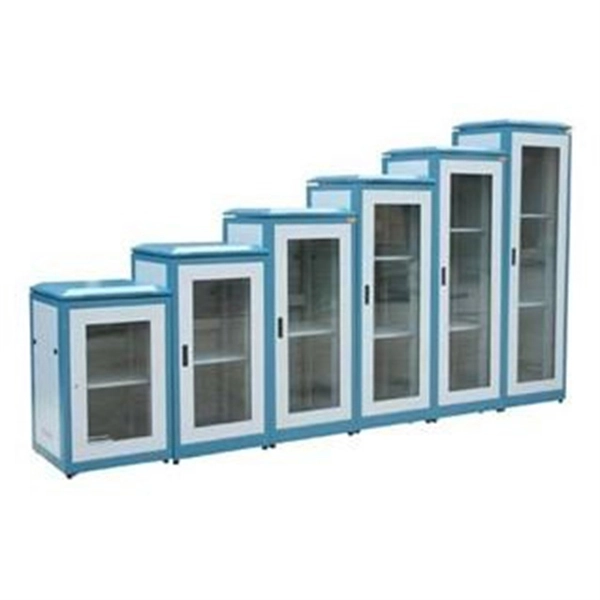
Inspection of optical cable laying equipment
Fiber Optics inspection, cleaning and testingThere are three main principles that needs to be taken in consideration for an efficient optical connection: a.
[PDF Version]
-
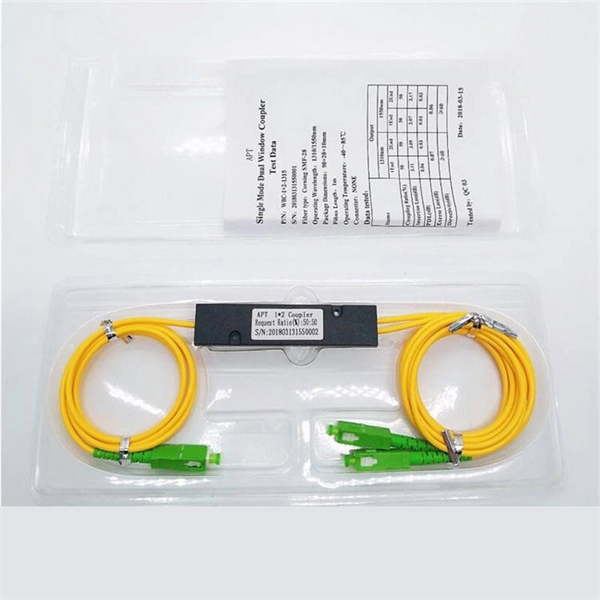
Fiber Optic Cable Laying Rack Equipment
How to Properly Install and Organize Fiber Networking Equipment in a. This guide explains how to properly install and organize fiber networking equipment.
[PDF Version]
-
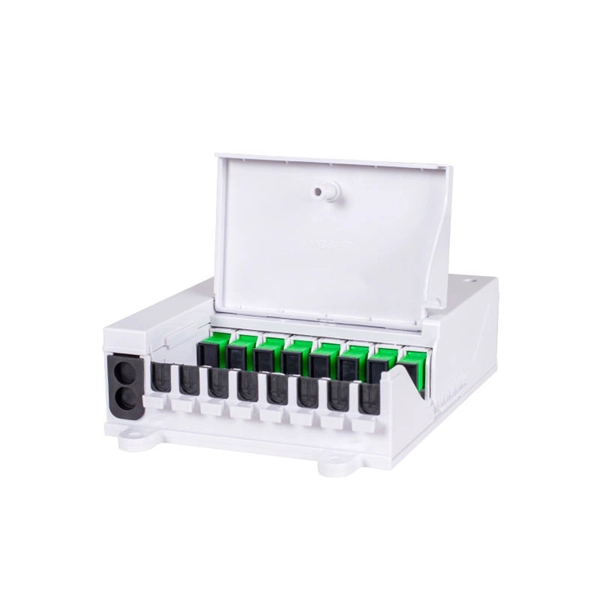
Main procedures for optical cable laying
The routes for laying fiber optic cables may involve ducts, subterranean channels or elevated paths. Installation typically employs two techniques: pulling and blowing. The objective of this document is to be an optical fibre cable installation and laying guide, addressed to...
[PDF Version]
-
Requirements for fiber optic cable laying along walls
The plan should include equipment and supplies, fiber cable specification, location of equipment, testing requirements, data forms for testing, personnel experience level and assignment, installation methods, identification of potential problem areas, safety issues, etc. The...
[PDF Version]
-
Cable and fiber optic fusion splicing equipment models
The best splicers offer core alignment, fast splice times, durable designs, and smart features like cloud syncing and automated calibration. has been providing high-quality and highly reliable fusion splicer for over 40 years. Our machines are equipped with multiple features...
[PDF Version]
-
Analysis of the disadvantages of fiber optic cable laying
Laying fibre-optic cables is complex, requiring careful planning, precision, and attention to various technical, regulatory and environmental factors. Fibre technology also presents inherent challenges, as the cables tend to be fragile, and signals lose integrity over long...
-
Laying network cables on high-altitude cable trays
This guide covers the critical steps, from selecting the right electrical cable tray and performing accurate cable fill calculations to managing a safe cable pull through and ensuring all bonding and grounding requirements are met. Cable ladder systems and cable tray systems...
[PDF Version]
-
Methods for laying communication optical cable lines
Different environments demand different fiber optic cable installation methods: aerial cables strung on poles, direct-buried cables placed underground, submarine cables laid underwater, and indoor or outdoor cables used in specific settings. Usually, in ordinary soil and hard...
[PDF Version]
-
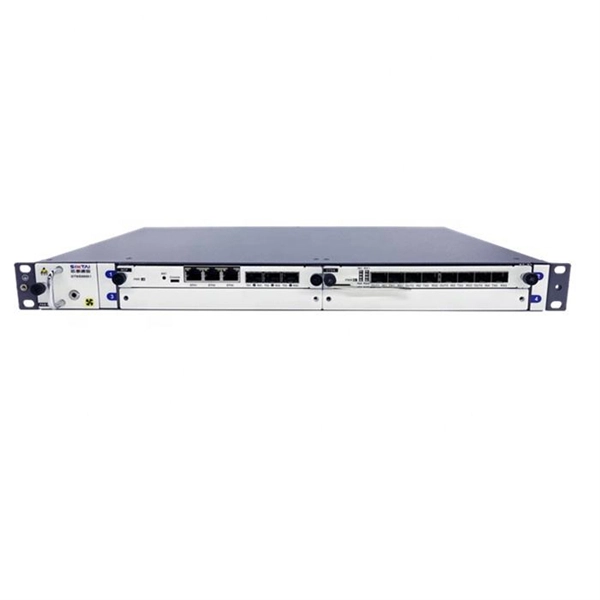
Requirements for installing cable trays in communication equipment rooms
Cable Tray (ladder type) shall be used in communications equipment rooms (i., IDF Rooms and BDF Rooms) to route cabling overhead. utilize tubular stringers to support rungs. This section includes the specifications for constructing and building out of Telecommunications...
-
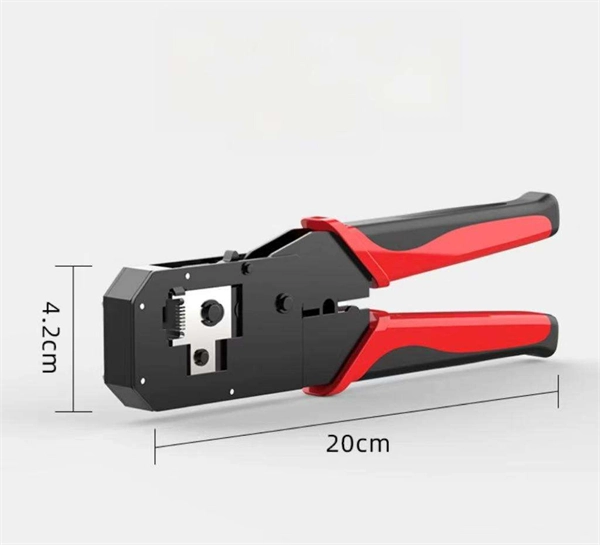
Technological Requirements for Cable Tray Laying
The National Electrical Code (NEC) is the ultimate authority for any cable tray installation. Specifically, NEC Article 392 governs the use, installation, and construction specifications for these systems. These systems, made from metal or plastic, are open structures...
[PDF Version]
-
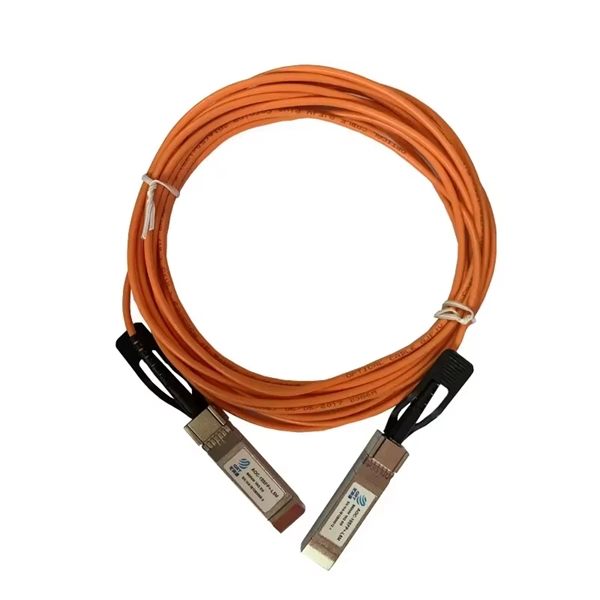
Dimensional parameters for fiber optic cable laying in metropolitan area networks
Critical design factors include pulling strength limits, bend radius guidelines, water protection, and fire rating compliance, among others. The Fiber Optic Association, Inc. (FOA) was founded in 1995 to help develop the workforce to build the fiber optic networks to support...
[PDF Version]