
Technical notes
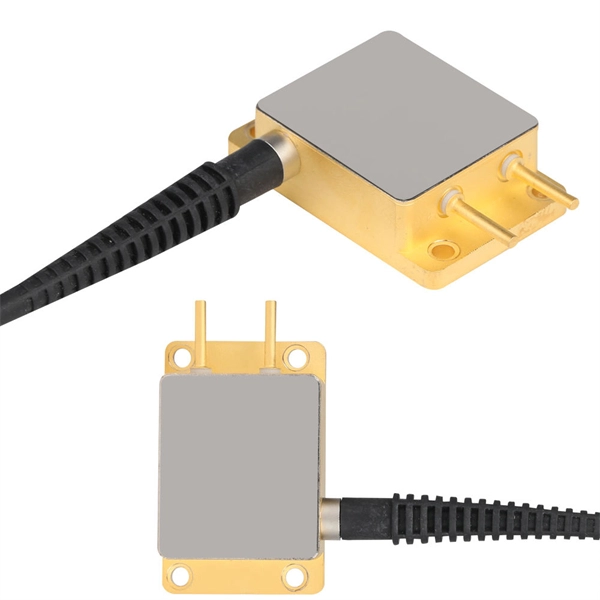
How beam splitters affect signal attenuation and polarization
In the context of beam splitters, attenuation can occur due to several factors, including absorption, reflection, and scattering. When a beam splitter divides the incoming light, some of the
Thorlabs · Beamsplitter Guide
Beamsplitters separate incident light into two or more beams of the same wavelength. These exiting beams are differentiated by either their optical power (non-polarizing) or polarization states (polarizing).
Beam splitter
OverviewDesignsPhase shiftClassical lossless beam splitterUse in experimentsQuantum mechanical descriptionReflection beam splitters
A beam splitter or beamsplitter is an optical device that splits a beam of light into a transmitted and a reflected beam. It is a crucial part of many optical experimental and measurement systems, such as interferometers, also finding widespread application in fibre optic telecommunications.
What are Beamsplitters?
Optical components that create two beams by splitting incident light are beamsplitters. Read more about the different types of beamsplitters at Edmund
Beam Splitters – optical power splitter, beamsplitter, thin
Generally, cube beam splitters cannot tolerate a high optical powers as plate beam splitters, although optically contacted cubes can also exhibit substantial power
Understanding Beamsplitters: Types, Principles, and
They allow the beam to be divided into segments that can be diverted individually with other inputs, offering more options for directing and shaping the
Beam Splitter | Precision, Applications & Design Principles
This includes developing beam splitters that can handle a broad spectrum of light, from ultraviolet (UV) to infrared (IR), and those that can
Beam Splitter
Beam splitters can be divided roughly into two big subgroups: those which only act on the external degrees of freedom, without changing the internal state of the atom leaving the beam splitter; and
How Beamsplitters Work: Principles and Applications
Beamsplitters are fundamental components in optical engineering, serving to precisely divide a single input beam of light into two distinct output beams. This division allows for the
How Beamsplitters Work: Types, Mechanisms, and
Optical beamsplitters allow the beam of light to be divided into multiple segments, which can be individually diverted using other inputs.
Optical Splitters Demystified: The Silent Heroes
📄 What is an Optical Splitter? An Optical Splitter, also known as a beam splitter, is a passive optical device that divides a single input optical signal
Understanding Power Splitter/Combiner Power
Introduction A Power Splitter/Combiner is a passive device that can be used for two reciprocal functions: a single signal may be divided into multiple
Beam Splitters – optical power splitter, beamsplitter, thin
Beam splitter cubes can be used not only for simple light beams, but also for beams carrying images, e.g. in various types of cameras and projectors. Generally,
What are Beamsplitters?
Beamsplitters are optical components used to split incident light at a designated ratio into two separate beams. Additionally, beamsplitters can be used in reverse
Get the real story: How does a splitter work?
How does a splitter work? It''s easy to think of a splitter as a simple circuit that splits signal. The truth is, there''s a lot more to a splitter than just
When do you need a power passing splitter?
In order to make sure you can pass power up the line from a power inserter located inside, you need a power passing splitter. Wow you make that
How does a beam splitter work? Common types and use cases
Understanding Beam Splitters Beam splitters are essential optical components used to divide a beam of light into two or more separate beams. They play a crucial role in various scientific,
Your Go-to Guide to Optical Splitter
The optical splitter is an optical power distribution device that splits one optical signal into multiple optical fiber signals to achieve multichannel
Related Video Reference
This video was associated with the source search result. Verify technical details against current product documentation and project requirements.