
Understanding Beamsplitters Types Principles And
Search optical fiber, connectivity, cable management and network infrastructure references.
- Understanding
- Beamsplitters
- Types
Articles and technical references
8 on this page-
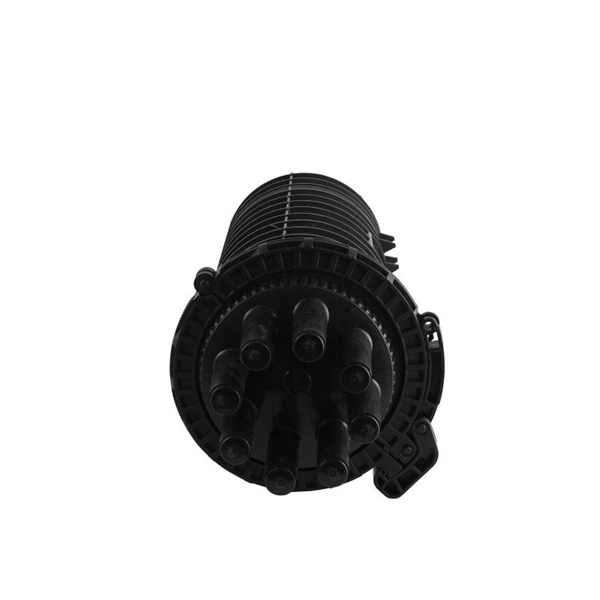
Relay Protection Principles 13
Also principles of various protective relays and schemes including special protection schemes like differential, restricted, directional and distance relays are explained with sketches.
-
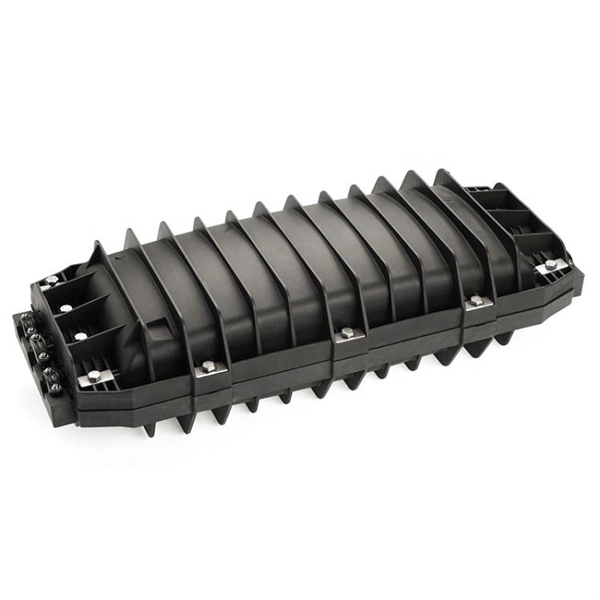
The types and brands of communication optical cables include
Here's everything you need to know about the various fiber optic cable types, what makes them so useful, and what type of fiber optic cables you want to buy for your next networking project.
-
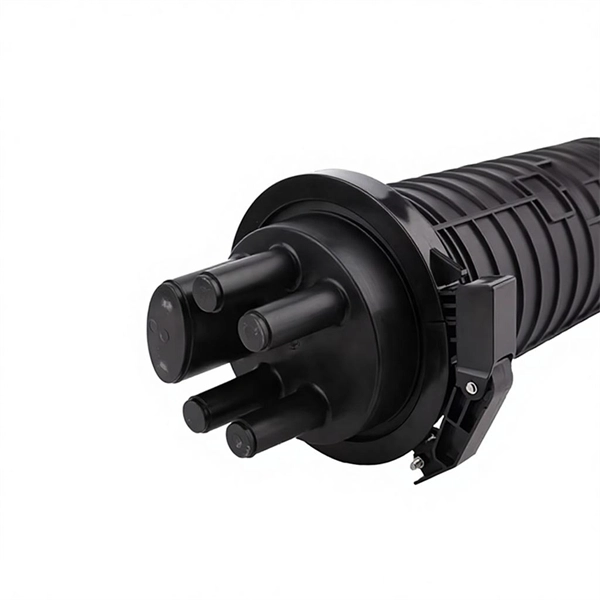
Network Cabinet Installation Principles
This guide provides essential best practices for server rack setup and organization, covering steps for effective installation, cable management, standards compliance, power distribution, cooling methods, and security measures. An in wall network cabinet is a special type of...
-
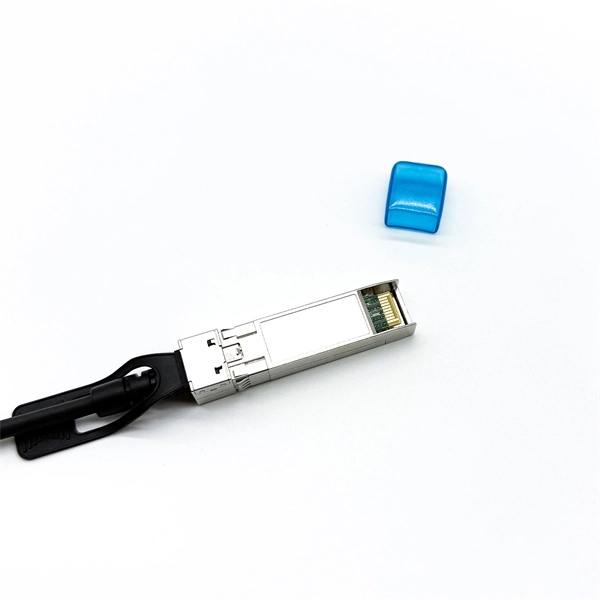
Principles of Fiber Optic Sensor Chips
This article explores the different types of Fiber Optic Sensors, their working principles, and various applications. P 603 Radiation absorption excites an orbital electron to a higher energy level. A sensor is a device that measures a physical quantity and converts it into...
-
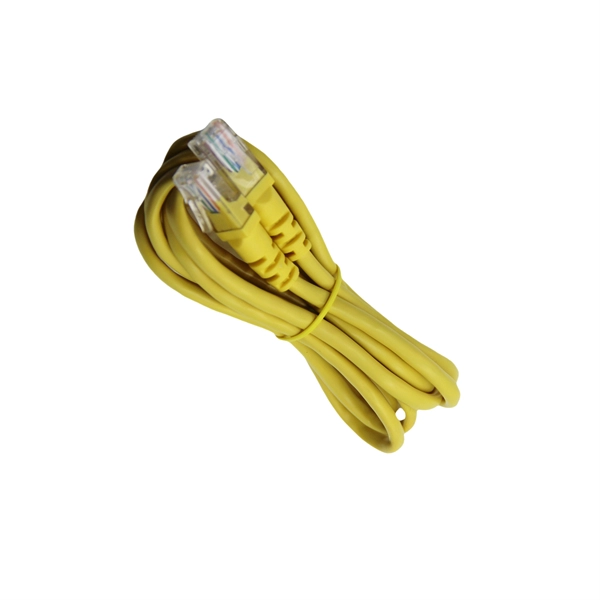
Pricing of Pigtail Interface Types
Fiber Optic Pigtails, In fiber optic cable installation, how cables are attached to the system is vital to the success of network. If done properly, optical signals would pass through the link with low attenuation.
-
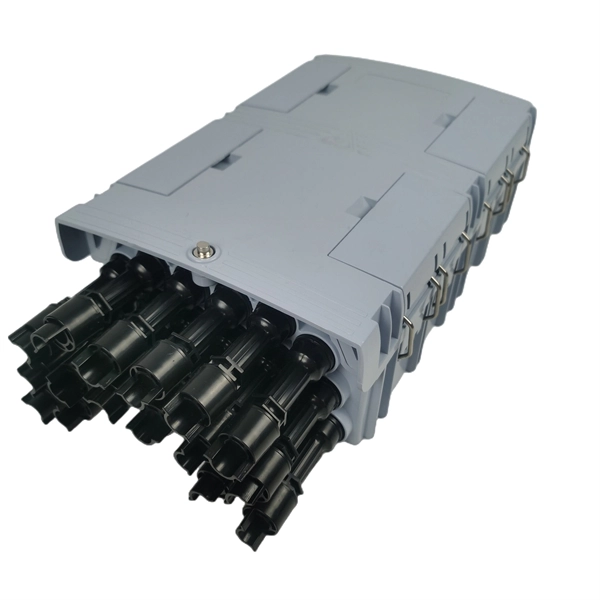
Types of fiber optic terminal connectors include
This guide covers the four most widely deployed fiber connector types — LC, SC, ST, and FC — along with their specifications, ideal applications, and the key differences that matter when you're designing or upgrading a network. An optical fiber connector is used to join...
[PDF Version]
-
What other types of cable trays are good besides galvanized cable trays
The technological features of modern cable trays include corrosion-resistant materials such as galvanized steel, stainless steel, aluminum, and fiberglass-reinforced plastic. Advanced coating technologies enhance durability and extend service life in harsh environments. Cable...
[PDF Version]
-
Principles and Advantages of Fiber Optic Communication
It covers key advantages such as security, immunity to electromagnetic interference, lightweight design, high bandwidth, and safety, along with the nature of light and its role in fiber-optic communication. Fiber-optic communication is a method of transmitting data from one...
[PDF Version]