
Cpo Co Packaged Optics Solutions Asmpt Semi
Search optical fiber, connectivity, cable management and network infrastructure references.
- Packaged
- Optics
- Solutions
Articles and technical references
11 on this page-
Latest Analysis of CPO Optical Modules
The "Co-Packaged Optics Module (CPO) Market Research Report" provides an in-depth and up-to-date analysis of the sector, covering key metrics, market dynamics, growth drivers, production elements, and details about the leading Co-Packaged Optics Module (CPO) manufacturers...
[PDF Version]
-
CPO optical module main focus is on T
CPO optical modules put optical and electronic parts together. They make the signal path much shorter, from centimeters to millimeters. This can cut power use by up to half. CPO technology lets more data fit in. From Jensen Huang showcasing CPO switches at GTC 2025 to a wide...
[PDF Version]
-
Are MPO connectors not suitable for fiber optics
Unlike standard LC or SC connectors that handle one or two fibers, MPO connectors support 8 to 72 fibers in a single interface - making them essential for parallel optical transmission in modern networks. As traffic surges to 100G, 400G, and even 800G, single-fiber connectors...
-
Silicon Photonics Technology vs Fiber Optics
Photonic chips integrate optical components on a single microchip, enabling high-speed data processing with reduced energy consumption, while optical fibers provide long-distance data transfer through flexible, low-loss glass strands. Silicon photonics and traditional fiber...
[PDF Version]
-
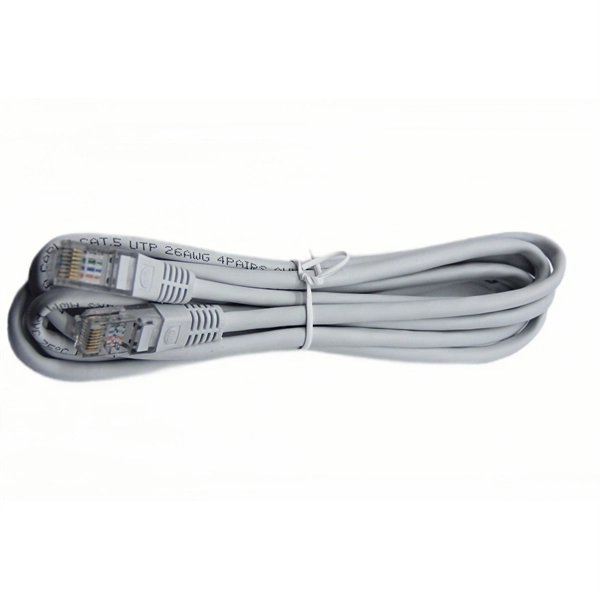
CPO optical module falls short of expectations
Co-packaged optics (CPO) technology is regarded as a potential disruptor to traditional optical modules but remains mired in yield challenges — supply chain sources indicate that mass production scale will remain extremely limited until 2026. From Jensen Huang showcasing CPO...
[PDF Version]
-
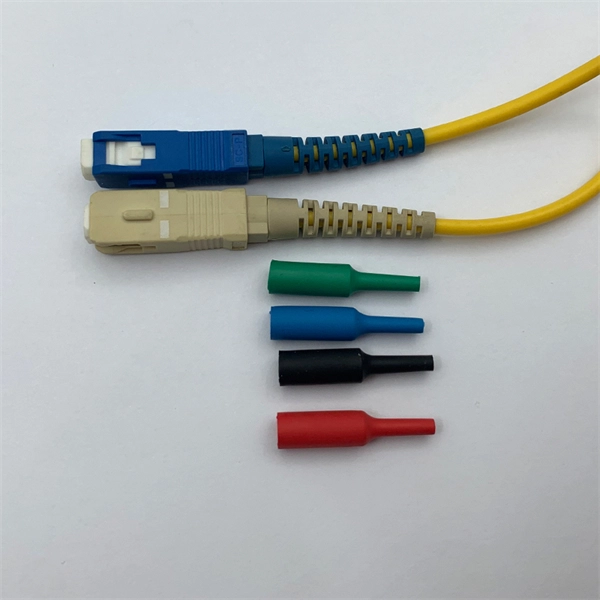
New Selection Guide for Co-packaged Optics for IoT Applications
Due to the rise of 5G, IoT, AI, and high-performance computing applications, datacenter trafic has grown at a compound annual growth rate of nearly 30%. Furthermore, nearly three-fourths of the datacent.
-
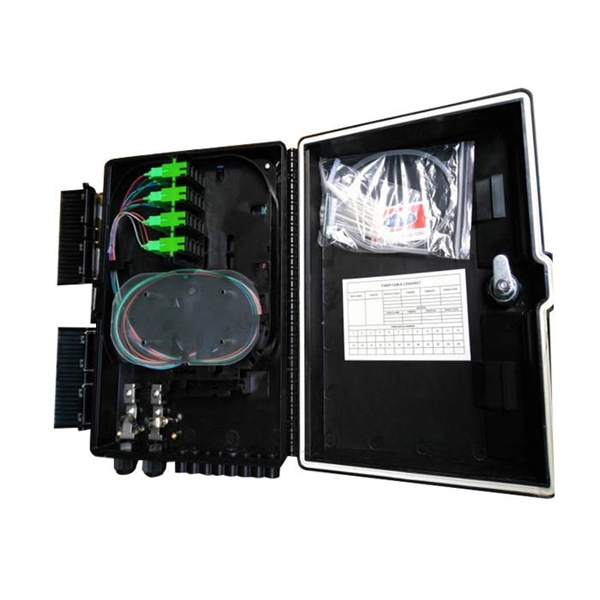
What is the light source of special array fiber optics
A fiber optic laser source is either the laser or laser-illuminated reflecting surface or source of light. Fiber lasers provide the light source that produces coherent, near monochromatic light through stimulated emission. By. Fiber arrays (or fiber-optic arrays or fiber...
[PDF Version]
-
Data Center Ventilation and Heat Dissipation Solutions
From liquid cooling and economizers to AI-powered HVAC for data centers, in-row cooling, and hot/cold aisle containment, modern data center cooling strategies are designed to: Reduce power consumption and optimize energy usage, lowering Power Usage Effectiveness (PUE). Getec...
[PDF Version]
-
Functions of Single-mode and Dual-mode Fiber Optics
What Are Fiber Modes? Single-Mode vs. Multi-ModeThe definitive guide to fiber modes. See how core size determines light path, bandwidth, distance limits, a.
[PDF Version]
-
Comparison of Single-Mode and Dual-Mode Fiber Optics
Single Mode vs. Multimode Fiber: Core Differences and Selection GuideSingle Mode vs Multimode Fiber: What's the Difference? For a clearer comparison, the f.
[PDF Version]
-
Technical Requirements for 6-Core Single-Mode Fiber Optics
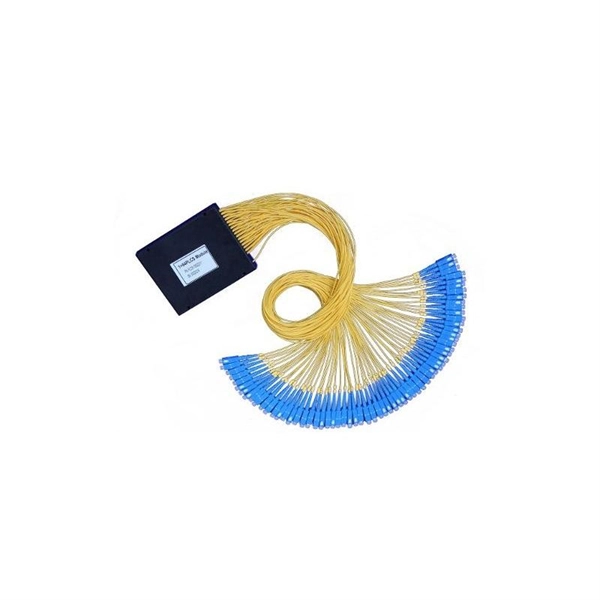
6 core fiber optic cable single mode should be selected by fiber standard, core count, single mode requirement, jacket material, armor option, tensile strength, installation route, drum length, test report, and order quantity. Buyers should first define the pain point: buyers...
[PDF Version]