
Ems Individual Busbars For Switchgear
Search optical fiber, connectivity, cable management and network infrastructure references.
- EMS
- Individual
- Busbars
Articles and technical references
11 on this page-
Why do high-voltage switchgear need small busbars
Low-voltage switchgear focuses on current and heat, while medium- and high-voltage systems require more insulation and spacing. Busbars must work smoothly with circuit breakers and protection devices. A busbar is a metal bar, usually made of copper or aluminum, that carries...
[PDF Version]
-
What grade of bolts should be used for the busbars of the switchgear
"Galvanised steel bolts are normally used but brass or bronze bolts have been used because their coefficients of expansion closely match the copper conductor and hence the contact pressure does not vary widely with operating temperature. For copper busbars wider than 40 mm...
[PDF Version]
-
Distribution of small busbars in high-voltage switchgear
Busbar Design in Switchgear: Key Principles & Best Copper busbars offer excellent electrical conductivity and can carry high current with a smaller cross-s.
[PDF Version]
-
How high is the busbar of a low-voltage switchgear
Busbar rating: 1600–6300 A depending on load density; consider temperature rise and ambient. Short-circuit withstand: kA rating must exceed available fault current with margin; verify bracing and tested assemblies. Behind every reliable low voltage switchgear lineup is a...
[PDF Version]
-
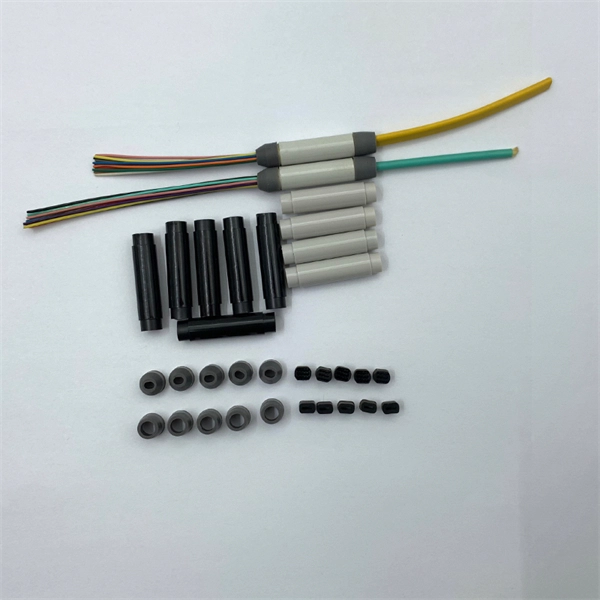
El Salvador High Voltage Switchgear Complete Set of Equipment
This solution covers a complete set of power equipment from low-voltage distribution cabinets, high-voltage switchgear to transformers, automation control systems, etc., aiming to provide comprehensive and customized power solutions for various users. The high-voltage...
[PDF Version]
-
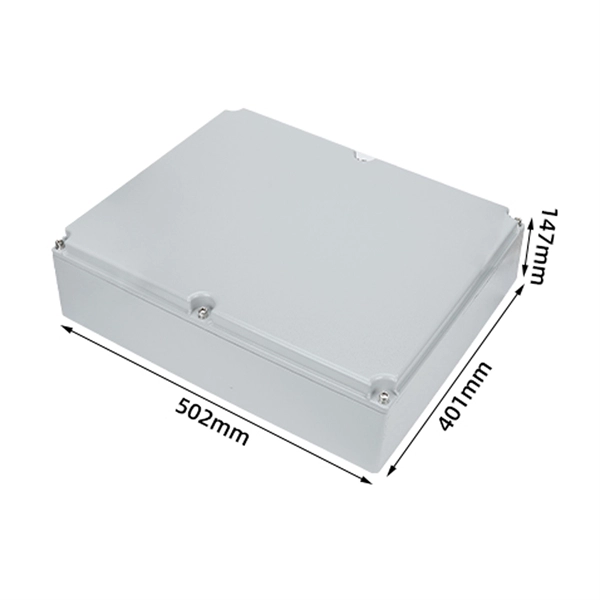
What are small busbars and mains wires in secondary wiring
Main and branch bus sections distribute power between incoming, tie, and outgoing breakers. Here, we provide an overview of common substation busbar configurations—Single Bus, Main and Transfer, Double Breaker/Double Bus, Ring Bus/Ring Main, and Breaker and a Half. Designing...
[PDF Version]
-
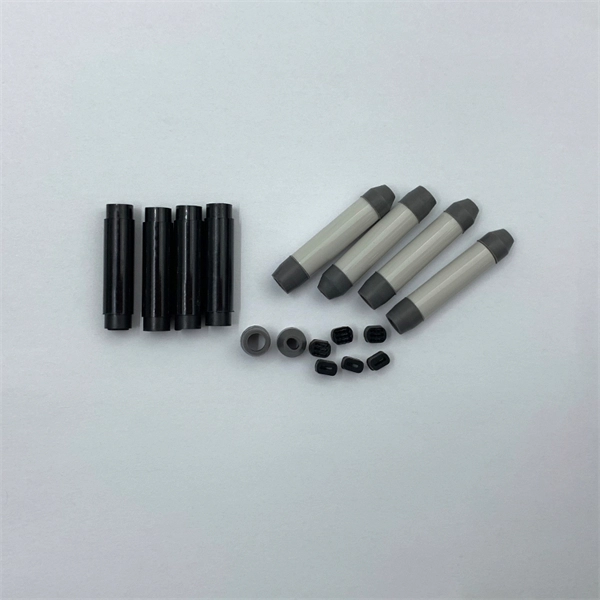
Low-voltage switchgear busbar short-circuit withstand
IEC 61439 is the core standard for low-voltage switchgear and controlgear assemblies up to 1000 V AC or 1500 V DC. Its short-circuit withstand strength requirements ensure that an assembly can endure the prospective fault current for the duration of the protective device...
[PDF Version]
-
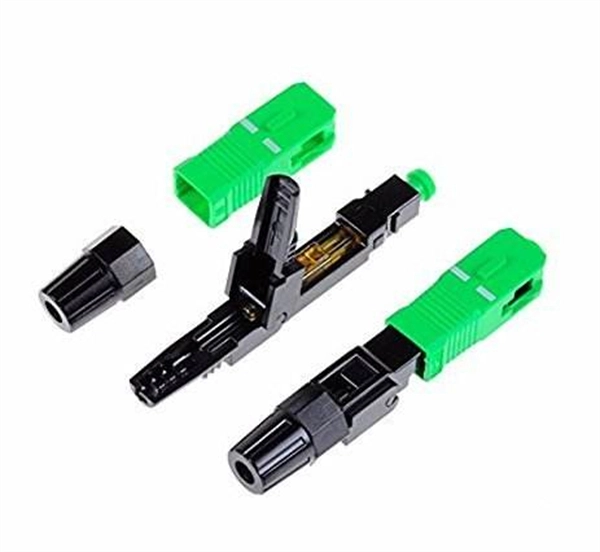
Exposed copper busbars in the distribution box
In , a busbar (also bus bar) is a metallic strip or bar, typically housed inside,, and for local high current power distribution, transmission, or switching substations. They are also used to connect high voltage equipment at electrical switchyards, and low-voltage equipment...
-
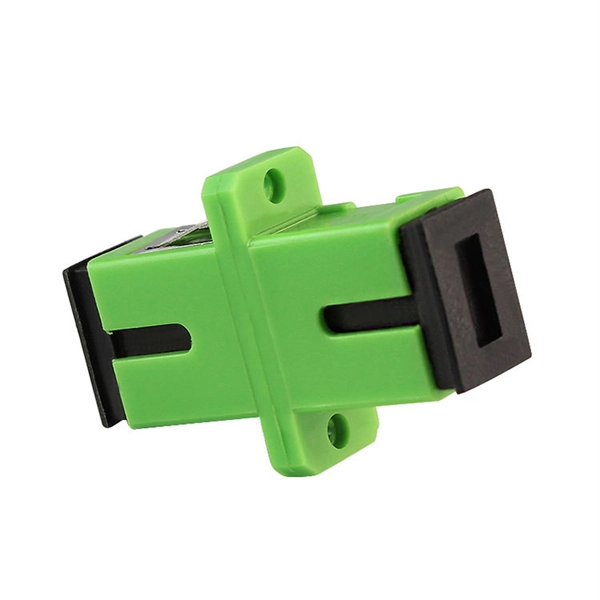
Electrical spacing requirements for high-voltage busbars
Spacings between Busbars: The spacings between busbars are critical to prevent electrical shock and ensure safe operation. These busbars are not merely simple current conductors; they serve as the strategic backbone, interconnecting various components within the. The IEC...
[PDF Version]
-
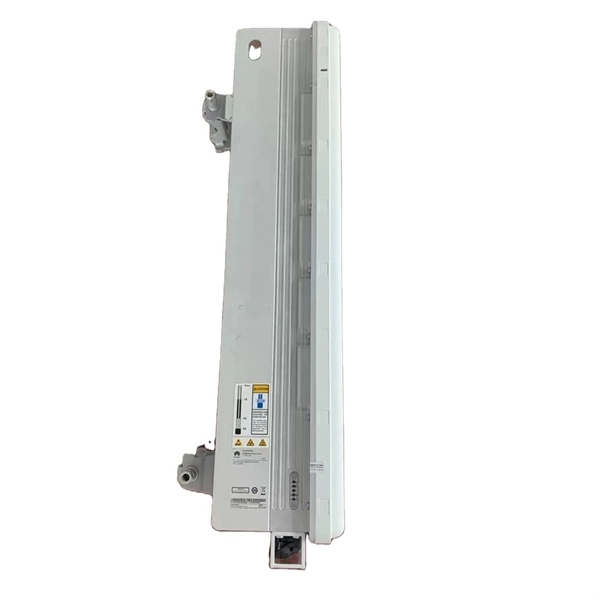
Lifespan of Low-Voltage Switchgear Cabinet
Discover the typical lifespan of LV switchgear (20-30 years) and crucial signs indicating replacement is needed. unit is always integrated in our sw ne of the most essential part in components are sensitive for over-temperature over time. The components, like a circuit...
-
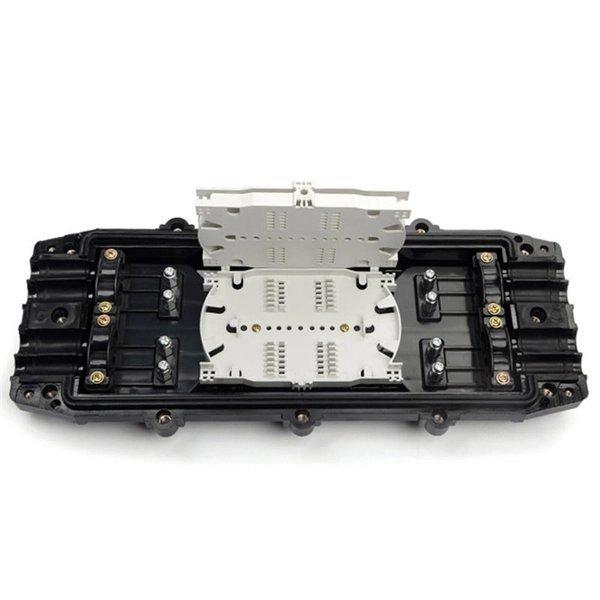
Does the load switchgear have relay protection
Automated protective switchgear consists of a relay and circuit breaker. The relay acts whenever there is a fault. These systems include circuit breakers, fuses, relays, busbars, and more, all designed to ensure power flows efficiently while isolating or interrupting circuits...