
Technical notes
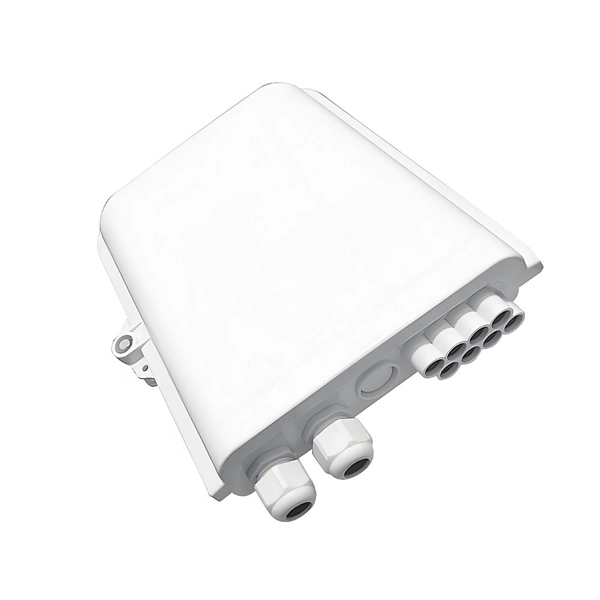
What is a Fiber Distribution Box?
A fiber distribution box, also known as a fiber termination box or fiber optic distribution box, is an enclosure designed to connect, protect, and manage optical fiber cables in communication
Fiber Box Solutions for FTTH: Key Functions, Applications, and
A clear guide to fiber box solutions in FTTH and ODN networks. Learn how fiber boxes support splitting, routing, and efficient deployment for telecom projects.
What Is a Fiber Distribution Cabinet? Types, Functions & Applications
A fiber distribution cabinet is a key component in modern fiber optic networks, designed to manage, protect, and distribute optical fibers efficiently. It serves as a central point where fiber cables are
What is Fiber Distribution Boxes? Uses, How It Works & Top
They serve as the critical link between fiber optic cables and end-user devices, ensuring efficient, organized, and secure distribution of fiber signals.
How to Use Fiber Distribution Box: A Comprehensive Guide
A fiber distribution box (FDB) functions as a central hub in fiber optic networks where the main cable is split into multiple individual fibers for distribution to end users.
What Are Distribution Boxes and Their Functions in Fiber Optics
Understand the role of distribution boxes in fiber optics. Learn about their components, types, and functions in protecting and managing fiber optic cables.
Fiber distribution box Selection, Setup & Key Features
Learn how to select, install, and optimize a fiber distribution box with key features, types, and setup best practices.
Fiber Optic Distribution Box: Key to Network Stability
The Fiber Optic Distribution Box is a core component of fiber optic networks. It is essential for aggregation, branching, and cross-connections while maintaining a stable signal and operationally
Fiber Optic Distribution Box Application and Research Report
In fiber access networks (such as FTTH), the cooperation between fiber optic distribution boxes and optical splitters achieves flexible distribution of trunk optical signals to multiple end users.
FTTH Products | OLT, ONU, Optical Splitters, Fiber
Discover essential FTTH products like OLT, ONU, optical splitters, and fiber distribution boxes. Learn how to design and deploy an efficient FTTH network for
How to Choose the Right Fiber Distribution Box for FTTH & PON
Selecting the right fiber distribution box (FDB) is a critical decision for any FTTH, FTTB, or campus PON deployment. As the junction point for fiber terminations and splicing, the FDB
Choosing the Right Fiber Optic Distribution Box for Your
Choose the right fiber optic distribution box with our guide. Learn about types, key features like IP68 waterproofing, and practical selection tips for
Guide of Fiber Optic Terminal Box
Indoor fiber distribution terminals are compact fiber box solutions design for small to mid-sized MDUs (Multiple Dwelling Units), or MTUs (Multiple
Fiber Optic Distribution Box: Key to Network Stability
Note: Distribution Box capacities are generally larger than Terminal Boxes, especially for outdoor aggregation points. Key Functions of a Fiber Distribution
Fiber Distribution Boxes: Understanding the Basics for Optimal
This article will provide an overview of fiber distribution boxes, including their design, features, and benefits, as well as how to ensure optimal performance.
6 Must-Know Insights on Fiber Distribution Box
The Fiber Distribution Box (FDB) serves a crucial role in the landscape of optical fiber communication. It serves as the protective enclosure for signal distribution nodes, ensuring the efficient and secure
4 Must-Know Insights on fiber optic distribution box
Ports of FTB: FTB:according to user requirements, we provide fiber distribution boxes from 4 to 48 ports FTB. Types of fiber optic distribution boxes:
Understanding Fiber Optic Junction Boxes: A
One key component of fiber optic networks is the fiber optic junction box. In this comprehensive guide, we will explore the where, what, and how of