
Technical notes
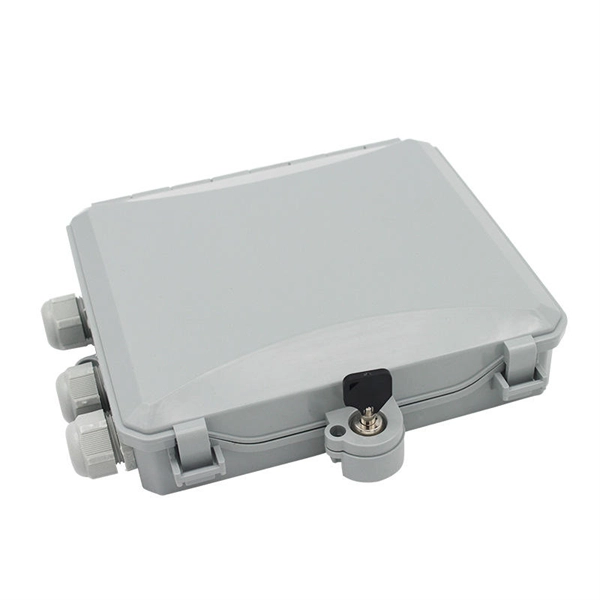
Fiber Splicing Methods and Protection with Splice Closures
This method allows for a tighter connection between the fibers, resulting in minimal insertion loss. Because it permanently connects the fibers, it offers improved long-term stability,
Fiber Optic Drop Cable 86-Jie Box Splicing Method
Learn how to splice fiber optic cable using fusion splicing with this complete step-by-step guide. Includes tools, best practices, loss standards (ITU-T G.652), cost analysis, and FAQs for
Optical Fiber Splicing: The Complete Technical Guide to
This guide breaks down the fundamentals of optical fiber splicing, compares fusion and mechanical techniques, explains factors that influence splice loss, and
Installation in an 86 mm Junction Box (AC Type)
Route the optical fiber through the square cable hole on the bracket, and route the DC power line terminal of the power bracket through the round cable hole on the bracket.
Optical Fiber Jointing Methods
The document discusses methods for joining optical fibers, including fusion splicing and mechanical splicing. Proper preparation of the fiber ends is important for both methods.
How to Splice Fiber Optic Cable – Step-by-Step Fusion Splicing Guide
Learn how to splice fiber optic cable using fusion splicing with this complete step-by-step guide. Includes tools, best practices, loss standards (ITU-T G.652), cost analysis, and FAQs for
The Fiber Optic Association
Fiber Optic Splice Closures Once fibers are spliced, they need to be protected. For protection against the outside plant environment and damage, splices require placement in a pro
Fiber Optic Splicing Types, Methods, and Applications
Fiber optic splicing explained with types, methods, step-by-step guide, real applications, expert tips, common mistakes, FAQs, and splicing best practices.
How to Do Fiber Optic Splicing: Strategies, Steps, and Considerations
Explore technical details of fiber optic splicing including key differences between fusion and mechanical splicing, the necessary tools, and industry-approved methods.
Fiber Optic Junction Box Installation Guide
When fibre optic cable is used, glands must be suitably certified for use with the type of cable so as to maintain the type of protection (Ex db/Ex tb). one thread adapter when an adaptor is used. A blankin
Fiber Splicing Methods and Protection with Splice Closures
Discover the differences between fusion and mechanical splicing, learn how to ensure safe fiber optic splicing, and see why splice closures are essential for long-term network reliability.
Guide to Fiber Optic Splice Closure: Importance, Types
Fiber optic splice closure plays a crucial role in the installation and maintenance of fiber optic networks. In this article, we will explore the various aspects of fiber optic splice closure,
Fiber optic junction box, Fiber optic terminal box
Find your fiber optic junction box easily amongst the 64 products from the leading brands (HS, LAPP, Cahors,) on DirectIndustry, the industry specialist for your
Fiber-Optic Splice Boxes|Products|NITTO KOGYO CORPORATION
Fiber-Optic Splice Boxes Splice boxes keep joints of fiber-optic cables safe from external stress and manage excess cable lengths. They are also referred to as Optical Termination Boxes.
Fiber Optic Cable – Method of Joining and Fusion Splicing
Learn about the fiber optic cable operating principle, types, connectors, method of joining and fusion splicing.
Two Types of Fiber Optic Termination: Connector and
Using connector or splicing to terminate fiber optic cables are the two main ways for fiber cross-connection and lightwave signal distribution. Check out
Optical fibre splice cassette Series 8186
The Series 8186 optical fibre splice cassette for Zone 1 enables the proper and time-saving connection of fibre optic cables in hazardous areas. The splice cassette provides space for a total of 2 splice
Fiber Optic Cable Splicing: A Comprehensive Guide
To support integrators, here''s an easy to follow guide for fiber optic cable splicing discussing mechanical splicing and fusion splicing.
Related Video Reference
This video was associated with the source search result. Verify technical details against current product documentation and project requirements.