
Technical notes
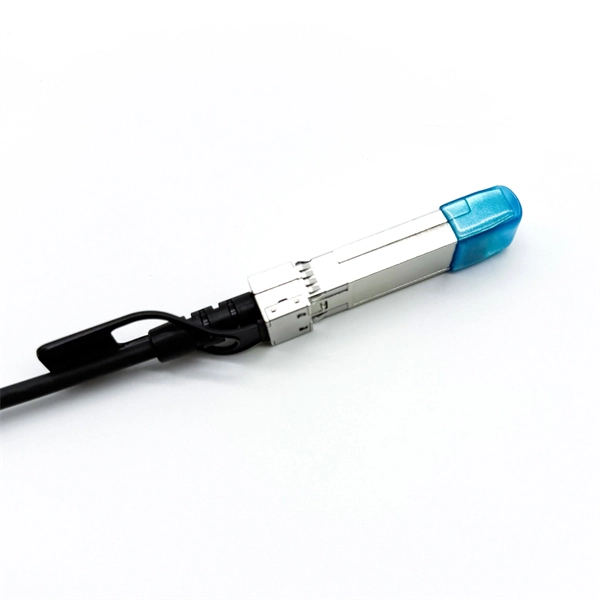
Fiber Optic Bend Radius: Best Practices, Installation Guidelines, and
Ignoring the minimum bend radius for fiber optic cable can result in signal loss, increased attenuation, and long-term reliability issues. This article provides a practical, installation-focused
Fiber Optic Cable Bend Radius: What Is It & Why It Matters
What''s The Bend Radius of Fiber Optic cables?Why Do Fiber Cables Need to Bend?Can Fiber Cable Be bent?Why Is Fiber Optic Cable Bend Radius A Concern?What Is The Maximum Bend Radius of Fiber Optic Cable?What Is The Critical Bending Radius of Optical Fiber?Fiber Optic Bend Radius CalculatorContact The Network InstallersYes, you can bend fiber cable during the installation process. This is particularly useful if you pull the bif-optical cables into place rather than blowing them. Blown fiber installation, on the other hand, involves using air pressure to propel the cables through conduits, minimizing bending stresses on the cables. But you can''t bend your cables i...See more on thenetworkinstallers The Fiber Optic Association
The FOA Reference For Fiber Optics-Installing Fiber Optic Cable
The normal recommendation for fiber optic cable bend radius is the minimum bend radius under tension during pulling is 20 times the diameter of the cable. When not under tension (after installation), the
Pulling Fiber Optic Cable in Conduit
Sidewall Pressure bend generates sidewall pressure (a crushing force) between the cable and the inside of the conduit bend. Pulling tension, the conduit radius and fill ratio all affect this
Fiber Cable Bend Radius Engineering Limits and Guidelines
Engineering guide to cable bend radius limits, including static and dynamic requirements based on IEC, TIA, and fiber cable construction.
Duct Installation of Fiber Optic Cable
Fiber optic cable is sensitive to excessive pulling, bending, and crush forces. Any such damage may alter the cable''s characteristics to the extent that the cable section may have to be replaced.
Fiber Optic Bend Radius Standards 2025 – Topfiberbox
The fiber bend radius helps you avoid sharp bends, while the bend diameter ensures you have enough space for proper cable routing. Always
Fiber Optic Cable Installation in Conduit | NFM Consulting
Guide to fiber optic cable installation in conduit: pulling methods, tension limits, bend radius, innerduct, and best practices.
Fibre Optic Bending Radius Standards | Fiber Products
Learn minimum fibre optic bending radius requirements, ITU-T standards and bend protection best practices for error-free installation from Fiber Products.
The FOA Reference For Fiber Optics
Fiber Optic Cable Cable Types: (L>R): Zipcord, Distribution, Loose Tube, Breakout Cable provides protection for the optical fiber or fibers within it appropriate for the
Fiber Optic Conduit Selection Guide | Installation
The conduit bend radius refers to the minimum allowable curvature that a fiber optic cable can safely bend around when installed within a conduit. Exceeding the
Pulling Fiber Optic Cable in Conduit
AEN 136, Revision 2 This Applications Engineering Note (AE Note) addresses key points for planning cable pulls in conduit. Installers should consider bend radius, tension, jamming, and fill
Fiber Optic Bend Radius Standards
Although a 1 inch bend radius is sufficient for the lay-in of fiber-optic cable, it''s not sufficient for the installation of fiber-optic cable under pull forces. The installation of cables may be limited by a
Do You Know How Far You Can Bend Your Microduct
When selecting the fiber to use for your installation, you need a cable with a very small bend radius, but that is tough enough to handle many different installation
Fiber Optic Cable Bend Radius and Signal Attenuations
A fiber cable''s bend radius and is crucial for ensuring optimal performance and longevity of any fiber optic network installation and infrastructure.
Manage Bend-radius in Cables » SENKO Advanced
Effective fiber cable management is crucial for optimizing performance, ensuring longevity, and simplifying maintenance in fiber optic networks. When fiber cables
Fiber optics cable bending
hello, we have a fiber optics cable to be lay''d 400 meters, there is a area that I will have to bend the fiber cable to 90 degrees and use a conduit elbow, will it be a problem. can someone
Minimum Bend Radius for Cable
A guide to minimum cable bending radius standards for Fiber Optic, UTP, STP, plenum and non-plenum cable provided by Elliott Electric Supply, distributor of cable, wire, conduit, EMT conduit benders, and
INSTALLATION REQUIREMENTS CONDUIT FOR FIBER OPTIC CABLE
Install the conduit system so the fiber optic cable maintains a minimum bend radius of 20 times the cable diameter. Install the conduit as shown in the plans. Provide all fittings and incidental materials
Related Video Reference
This video was associated with the source search result. Verify technical details against current product documentation and project requirements.