
Technical notes
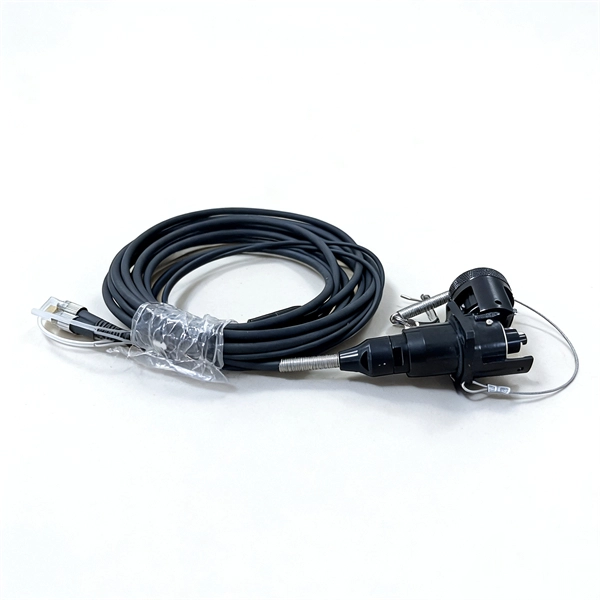
The difference between optical fiber cold splicing and
Once the optical fiber cable is ordered, the transmission loss of the optical fiber itself is basically determined, while the fusion loss at the optical fiber joint is related to the optical fiber itself
The Difference Between Optical Fiber Cold Splicing and Optical Fiber
When installing a fiber optic network, connectors are required to connect both ends of the fiber optic cable. Common splicing methods include optical fiber cold splicing and optical cable hot
How to Splice Fiber Optic Cable – Step-by-Step Fusion
Learn how to splice fiber optic cable using fusion splicing with this complete step-by-step guide. Includes tools, best practices, loss standards (ITU
Optical fiber termination methods hot welding, cold joint,
There are 3 types of optical fiber termination methods for different optical communication projects and technical requirements of the cable terminal
Fiber Splices – mechanical splicing, fusion splicing, insertion loss
Fusion splicing involves strongly heating the two fiber endfaces until the material becomes soft and then joining them so that they fuse together. This process results in a permanent splice, often with very
Tutorial Passive Fiber Optics, Part 6: Fiber Joints
Another technique is fusion splicing, where the fibers are fused together, e.g. using an electrical arc. This leads to particularly low insertion loss and high return loss, if the two fiber cores are similar. For
Fusion-splice basics
In September 2019, FOC posted an article explaining the difference between mechanical and fusion splices. Fiber Optic Cable Splicing Explained.
Fiber Optic Splicing: A Beginner''s Guide
Fiber optic splicing joins two fiber optic cables end to end seamlessly to create a continuous path for light signal, including mechanical and fusion splicing.
Optical fiber cold connection advantage
Optical communication is now the dominant network transmission method in society, which is nothing more than because it has many advantages
Fiber cold splicing and fiber splicing
Optical fiber cold splicing and optical fiber fusion splicing: when light is transmitted in the optical fiber, there will be loss, which is mainly composed of the transmission loss of the optical fiber
The FOA Reference For Fiber Optics
Splices are considered permanent joints and are used for joining most outside plant cables. Fusion splicing is most widely used as it provides for the lowest loss and least reflectance, as well as
What Is Fiber Optic Cable Splicing? A Beginner''s Guide
Explore fiber optic cable splicing and its advantages over connectorization. Learn how to join and extend fiber optic cables effectively.
Fiber Splices – mechanical splicing, fusion splicing, insertion loss
What are Fiber Splices? Fiber splicing means joining two optical fibers (permanently or temporarily) such that light guided in one fiber and reaching the joint (splice) can be transferred into the second fiber
Fiber Optic Cable Splicing Explained
Splicing in optical fiber is the joining two fiber optic cables together. There are 2 methods of cable splicing, mechanical or fusion.
Fiber Optic Splicing Guide & Demo
Part of UTEL''s Knowledge Base series of videos about fiber optics, this guide provides a thorough introduction to fusion and mechanical splicing as well as a demonstration of fusion splicing.
Fiber optic quick connector cold joint
The fiber optic quick connector/cold connector is a very innovative field-terminated connector, which contains factory-installed optical fiber, pre-polished ceramic ferrule and a
Fiber Optic Cable Splicing Methods: A Practical Guide
While this guide provides a solid overview of fiber optic cable splicing, the successful execution of these methods requires extensive training, hands-on experience, and a significant
How To Fusion Splice Fiber Optic Cable
In this video, we will show you how to fusion splice two fiber optic strands together in an easy 11 step process. First we are going to prep the fiber, and
Related Video Reference
This video was associated with the source search result. Verify technical details against current product documentation and project requirements.