
Fiber Optic Cable Splicing Methods A Practical Guide
Search optical fiber, connectivity, cable management and network infrastructure references.
- Fiber
- Optic
- Cable
Articles and technical references
11 on this page-
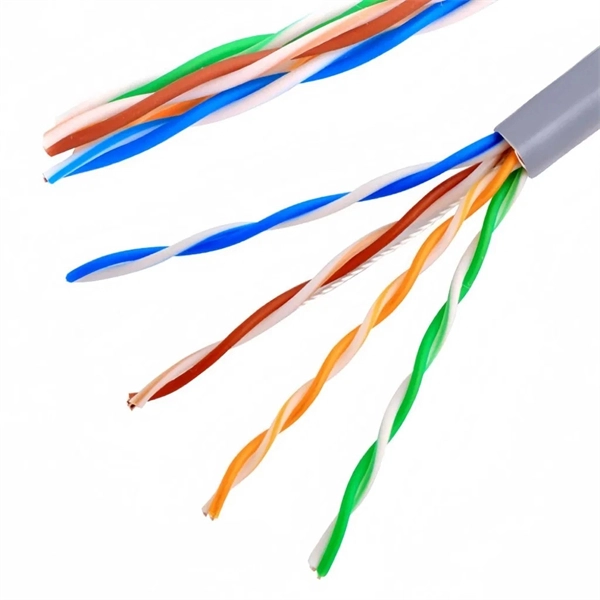
Methods of fiber optic cable splicing
Fiber Optic Cable Splicing Methods: A Practical GuideThe two primary industry-accepted methods for fiber optic cable splicing are fusion splicing and mecha.
[PDF Version]
-
Methods to improve fiber optic cable splicing speed
Fiber Optic Cable Splicing Methods: A Practical GuideThe two primary industry-accepted methods for fiber optic cable splicing are fusion splicing and mecha.
[PDF Version]
-
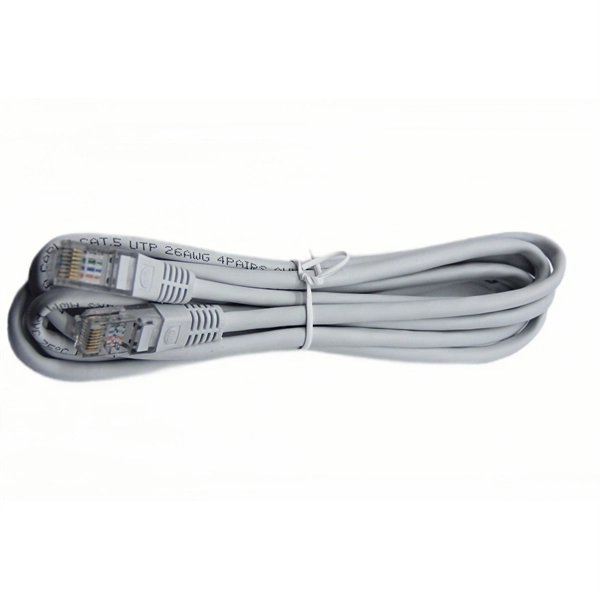
Fiber Optic and Cable Terminal Connection Methods
This article compares connector terminations, mechanical splicing, and fusion splicing, explaining when each technique is preferred in 2024 deployments. Unlike fiber splicing, which is permanent, connectors allow for easy connection and disconnection of cables, making them...
[PDF Version]
-
Air bubbles in fiber optic cable splicing
There are bubbles or cracks in the joints during welding This situation may be due to poor cutting of the optical fiber, such as inclined end faces, burrs, or unclean end faces. Are you splicing multi-mode fiber? If not put it on splicing mode auto Fusing power calibration...
[PDF Version]
-

Cable and fiber optic fusion splicing equipment models
The best splicers offer core alignment, fast splice times, durable designs, and smart features like cloud syncing and automated calibration. has been providing high-quality and highly reliable fusion splicer for over 40 years. Our machines are equipped with multiple features...
[PDF Version]
-
Fiber optic cable splicing is divided into
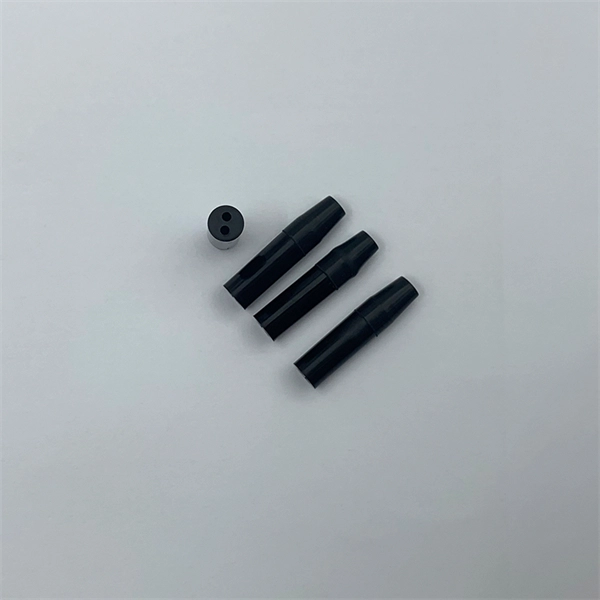
Fiber optic splicing is primarily categorized into two methods: fusion splicing and mechanical splicing. Each has its application, cost, and performance factors. This is typically done when the cable length is insufficient or when the fiber network is damaged and needs...
[PDF Version]
-
Fiber optic cable laying methods are divided into
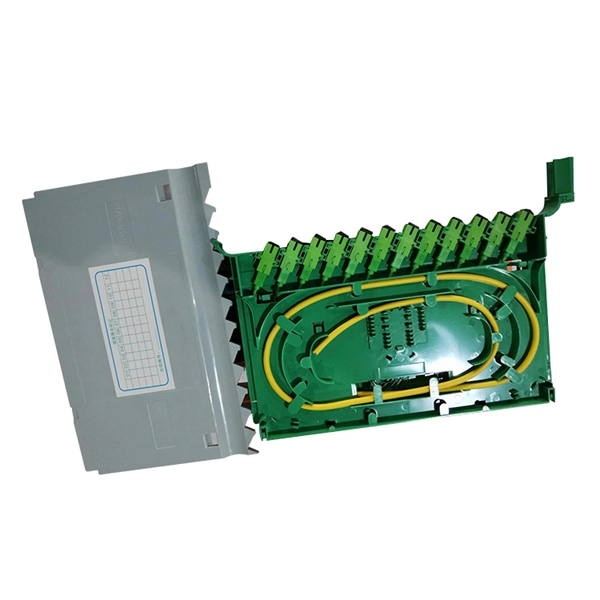
The routes for laying fiber optic cables may involve ducts, subterranean channels or elevated paths. Installation typically employs two techniques: pulling and blowing. Each method offers distinct advantages and is tailored to specific environmental considerations. Trenching...
[PDF Version]
-
Fiber optic splicing at fiber optic cable terminals
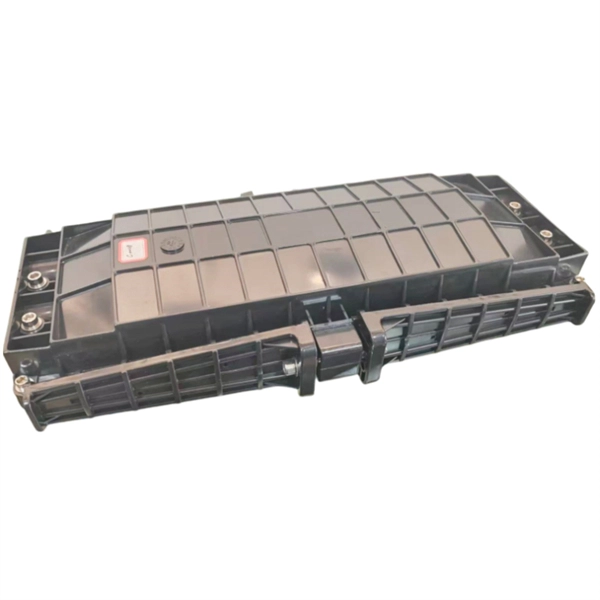
This guide covers everything: what fiber optic pigtails are, how they differ from patch cords, which connector and polish type to specify, how to choose between mechanical and fusion splicing, and the real-world applications where pigtails are the right call. Fiber optic...
[PDF Version]
-
Fiber Optic Cable Splicing Process Standards
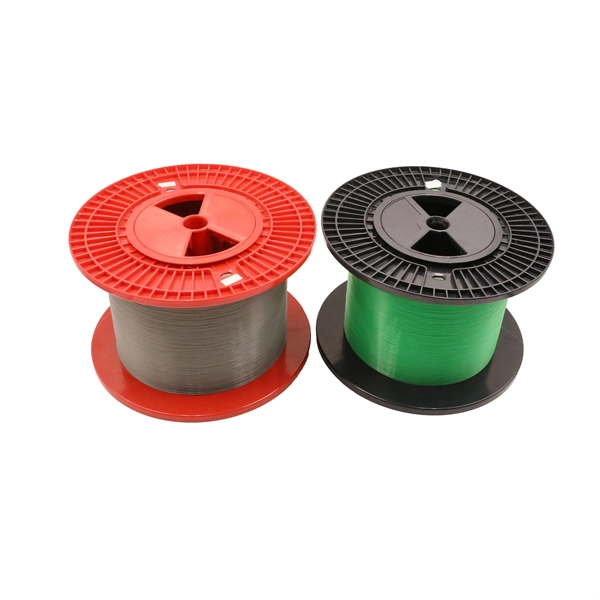
The Fiber Optic Splicing Playbook v3. 5 provides field technicians and managers with standardized procedures for FTTH builds, PPE readiness, splice enclosure selection, waste management, and inspection protocols. Fiber optics is the fastest and one of the safest ways to...
[PDF Version]
-

Disadvantages of ribbon fiber optic cable splicing
A 144-fiber cable can be spliced 144 times on a single-fiber splicer or 12 times on a ribbon splicer. The difference is hours per closure. But ribbon splicers cost more, require more specialized prep, and are not portable. While traditional fiber optic cables contain...
[PDF Version]
-
How long of fiber optic cable to cut for cold splicing
① Use a “fiber cleaver” to cut the fiber end-face that has been stripped and is ready for splicing. Note that The cutting length should be moderate. At the heart of any robust fiber optic network lies a crucial process: Preparing a fiber cable for termination of a connector...
[PDF Version]