
Technical notes
Optical Distribution Frame (ODF): The Complete Guide
An ODF is a centralized platform designed for terminating, cross-connecting, and managing optical fibers. It ensures fiber management is
What is Optical Distribution Frame in Telecom Networking
1. What is Optical Distribution Frame An Optical Distribution Frame (ODF) is the central hub of your fiber optic network. It manages the connection, splicing, and distribution of optical signals
What is Optical Distribution Frame ODF?
ODF, also known as optical distribution frame or fiber optic patch panel, is a critical device used in optical communication for managing and
Optical Distribution Frame (ODF) in Telecom: Types & Uses
An Optical Distribution Frame (ODF) is a specialized enclosure designed to manage, connect, protect, and distribute fiber optic cables in telecom and data networks.
ODF Explained: Types, Architecture, Management
A complete engineering guide to Optical Distribution Frames (ODF): types, components, fiber capacity planning, MPO/MTP compatibility, protection features.
Guide to Optical Distribution Frames (ODFs)
An Optical Distribution Frame (ODF) is a dedicated unit designed to organize, terminate, and interconnect fiber optic cables. It brings together fiber
Handbook – Optical fibres, cables and systems
ITU-T has been active in the standardization of optical communications technology and the techniques for its optimal application within networks from the infancy of this industry. However, it is not always
Basic of Optical Distribution Frame (ODF)
An optical distribution frame (ODF) is a frame used to provide cable interconnections between communication facilities, which can integrate fiber splicing, fiber termination, fiber optic
Basics of Optical Distribution Frame (ODF)
Optical Distribution Frame (ODF) is a critical component of fiber optic networks that provides a centralized point for terminating, splicing, and managing
Everything You Need to Know About the ODF Optical
Everything You Need to Know About the ODF Optical Distribution Frame. Explore optical distribution frame benefits! Manage fiber optic cable
Basics of Fiber Optics
Lower loss: Optical fiber has lower attenuation (loss of signal intensity) than copper conductors, allowing longer cable runs and fewer repeaters. No sparks or shorts: Fiber optics do not emit sparks or cause
Fiber Optic Cable Types – Multimode and Single Mode
Application Fiber Optic connectors and cables are present in nearly every communications project that we might sell into, be it a DAS installation or a Base Station with wireless backhaul, you can be
Guide to Optical Distribution Frames (ODFs) | FiberMania Factory
As fiber optic infrastructure expands to meet the demands of cloud computing, streaming, and high-speed connectivity, managing the sheer volume of cables has become a complex
What are the key components and functions of the ODF?
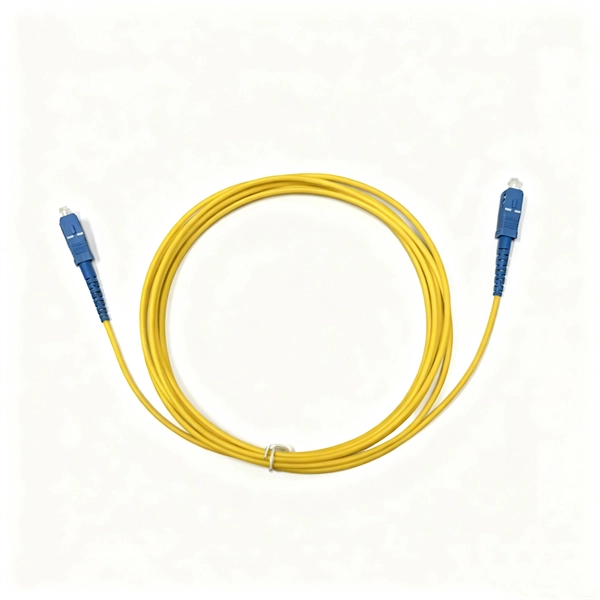
Sub-ODF unit Adapters and Panels: These components hold and secure fiber optic connectors, such as SC, LC, and FC, allowing for easy connection and disconnection of cables.
ODF optical fiber wiring frame
ODF (Optical Distribution Frame) is a critical component in fiber optic communication systems. It is a type of frame or cabinet that provides a centralized location for the termination,
Fiber Optics II
The first course, Fiber Optics I –Theory, is an overview of the technology of fiber optic cables including a description of the components, history, and advantages of fiber optic cables. This course also
Fiber Optic Cables
Introducing Fiber Optic Cabling Welcome to the Fiber Optic Cables Introduction Guide, your essential resource for navigating fiber optic technology. As the backbone of modern communication networks,
Fiber Optics Cables and Optical Distribution Frames (ODF)
The Backbone of Connectivity: Fiber Optic Cables and Optical Distribution Frames (ODFs) In today''s data-driven world, reliable and high-bandwidth connectivity is
Related Video Reference
This video was associated with the source search result. Verify technical details against current product documentation and project requirements.